
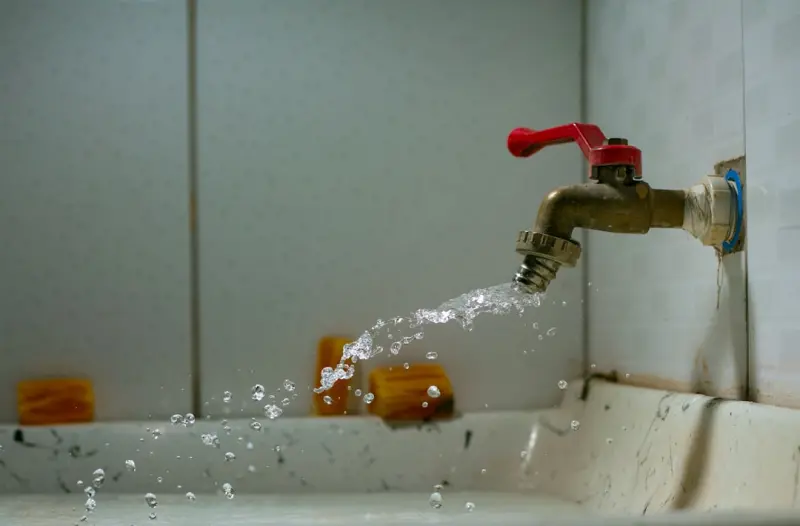
When I first stepped into a commercial building’s mechanical room, the hum of pumps and the faint drip from an aging pipe reminded me of a hidden orchestra—one that, if left unchecked, can quickly turn into a cacophony of costly emergencies. Over the past decade, I’ve watched the plumbing world evolve from reactive “fix‑it‑when‑it‑breaks” rituals to a proactive, data‑rich discipline. In this piece, I’ll share the emerging playbook that’s turning ordinary pipework into a strategic asset, all while keeping the tone light, conversational, and a little bit cheeky—just the way I like it.
Why Traditional Plumbing Is Ready for a Disruption
For most facilities, plumbing has traditionally been the “invisible backbone”—critical, yet rarely celebrated. The classic workflow looks something like this:
- Tenant reports a leak.
- Facilities staff dispatch a plumber.
- Problem is patched, invoice is sent, and the cycle repeats.
This reactive loop has three major blind spots:
- Hidden losses: Undetected drips can waste gallons of water, inflate utility bills, and even compromise structural integrity.
- Unplanned downtime: A burst pipe in a data center can halt operations for hours, costing far more than the repair itself.
- Limited insight: Without granular data, it’s impossible to predict which sections of the network are most vulnerable.
Enter the era of predictive plumbing. By marrying sensor technology, AI analytics, and a culture that values foresight over firefighting, we can finally give those silent pipes a voice.
Building a Sensor‑Rich Plumbing Ecosystem
The first step is instrumentation. Modern IoT water sensors are small, inexpensive, and can be retrofitted onto existing infrastructure. Here’s what they typically monitor:
- Flow rate anomalies – sudden spikes or drops that suggest a leak or blockage.
- Pressure fluctuations – early indicators of pipe fatigue or scaling.
- Temperature changes – useful for spotting frozen lines before they burst.
- Water quality parameters – pH, conductivity, and turbidity for early detection of corrosion.
Deploying a network of these devices creates a real‑time digital twin of your water system. While the phrase “digital twin” might echo other posts on our blog, this application is uniquely plumbing‑centric, focusing on fluid dynamics rather than structural elements.
From Raw Data to Actionable Insights
Collecting sensor data is only half the battle; the magic happens when you turn that stream into intelligence. Here’s a simplified workflow:
- Data ingestion: Sensors push metrics to a cloud gateway every few seconds.
- Edge analytics: Small AI models run locally to flag anomalies instantly, reducing latency.
- Centralized dashboard: Facility managers view health scores, trend graphs, and predictive alerts in a single interface.
- Automated ticketing: When a threshold is breached, a work order is auto‑generated, complete with location coordinates and suggested remedial actions.
By the time a homeowner hears a faint drip, the system has already dispatched a technician, ordered the necessary parts, and even pre‑scheduled the optimal time slot based on crew availability.
Case Study: A Mid‑Size Office Complex Reduces Water Waste by 30%
One client, a 150,000‑square‑foot office campus, installed a suite of flow and pressure sensors across its main distribution lines. Within three months, the platform identified three “ghost leaks”—tiny fissures that were losing an average of 150 gallons per day each. The AI model predicted the exact pipe segment most likely to fail next, allowing pre‑emptive reinforcement.
Results:
- Water consumption: Dropped from 4.2 million gallons/year to 2.9 million gallons/year.
- Repair costs: Reduced by 45% thanks to scheduled, targeted interventions.
- Tenant satisfaction: Survey scores rose 12 points after the perceived reliability of the building’s services improved.
This success story underscores the tangible ROI of turning plumbing from a “cost center” into a value‑generating function.
Integrating Plumbing Data with Facility Management Platforms
Most large organizations already use CAFM (Computer‑Aided Facility Management) software to track assets, maintenance schedules, and space utilization. Adding a plumbing data layer can be seamless if you follow a data‑first mindset. Think of it as the same approach highlighted in data‑first playbook for service teams, but tailored for fluid systems.
Key integration points include:
- Linking sensor alerts to existing work order queues.
- Overlaying water usage heat maps onto building floor plans for visual diagnostics.
- Feeding pressure trend data into predictive maintenance schedules for other MEP (Mechanical, Electrical, Plumbing) assets.
When plumbing data lives alongside HVAC, lighting, and security metrics, you unlock cross‑disciplinary insights—like discovering that a certain zone’s high humidity is actually caused by a slow leak in a nearby pipe.
Predictive Maintenance: The New Normal
Predictive maintenance isn’t a buzzword; it’s a methodology that leverages historical and real‑time data to forecast failures before they happen. For plumbing, this means:
- Scheduling pipe insulation upgrades before winter‑time freezing risks arise.
- Replacing aging valve assemblies based on vibration signatures rather than a fixed calendar.
- Optimizing chemical dosing for water treatment systems to prevent corrosive buildup.
In practice, this translates to a shift from “maintenance windows” to “maintenance opportunities.” Your team isn’t scrambling to find a time slot; they’re proactively allocating resources when the data tells them it’s most efficient.
Leveraging Leak Detection as a Sustainability Lever
Beyond cost savings, proactive leak detection aligns with broader ESG (Environmental, Social, Governance) goals. Water scarcity is an escalating concern, and many corporations now report water usage as part of their sustainability disclosures. By integrating leak detection into your ESG framework, you can:
- Quantify water saved in gallons and convert it into carbon‑offset equivalents.
- Earn green building certifications that consider water efficiency—think LEED Water Use Reduction credits.
- Enhance brand reputation by showcasing a commitment to responsible resource stewardship.
When you pair sensor data with a carbon accounting tool, the narrative shifts from “we fixed a leak” to “we prevented 5,000 kg of CO₂ emissions by conserving water.” That’s the kind of story that resonates with investors and customers alike.
Overcoming Common Barriers to Adoption
While the benefits are compelling, many facilities hesitate to embark on the predictive plumbing journey. Here are the top objections and how to address them:
- Cost concerns: Start small—pilot on a single high‑risk zone. The ROI often materializes within a year.
- Technology fatigue: Choose platforms that offer plug‑and‑play sensors and intuitive dashboards; avoid solutions that require custom coding.
- Skill gaps: Upskill existing maintenance staff with short, hands‑on workshops on interpreting sensor data.
- Data security: Opt for encrypted transmission protocols and on‑premise data storage if compliance mandates it.
Remember, the goal isn’t to replace your skilled plumbers; it’s to equip them with richer information so they can work smarter, not harder.
The Human Side: Empowering the Plumber of the Future
In my experience, the most successful digital transformations happen when the “human” element is front‑and‑center. Here are three ways to keep your plumbing crew engaged:
- Gamify the data: Create dashboards that show each technician’s leak detection success rate, turning performance into friendly competition.
- Provide mobile tools: Tablets or AR glasses that overlay sensor alerts directly onto the physical pipe during inspections.
- Celebrate wins: Publicly recognize teams that prevent major incidents—this builds a culture of proactive stewardship.
When plumbers feel like heroes rather than fire‑fighters, morale soars, turnover drops, and the whole organization benefits.
Future Glimpse: AI‑Powered Water Quality Assurance
Looking ahead, the next frontier isn’t just about preventing leaks—it’s about guaranteeing water quality in real time. Imagine a system that continuously monitors pH, microbial counts, and chemical concentrations, and automatically adjusts treatment dosing without human intervention. This would be especially valuable for campuses, hospitals, and manufacturing plants where water purity is mission‑critical.
While the technology is still emerging, early pilots are showing promising results: up to a 20% reduction in chemical usage and a 15% improvement in compliance audit scores.
Putting It All Together: Your 12‑Month Roadmap
Ready to get started? Here’s a concise plan to transition from a reactive to a predictive plumbing model:
- Month 1‑2: Assessment – Conduct a baseline audit of water usage, pipe age, and known trouble spots.
- Month 3‑4: Pilot Deployment – Install sensors on two high‑risk lines; integrate with your CAFM system.
- Month 5‑6: Data Validation – Fine‑tune anomaly thresholds; ensure alerts are accurate and actionable.
- Month 7‑8: Scale – Roll out sensors across the entire network; train maintenance staff on dashboard usage.
- Month 9‑10: Optimization – Implement predictive maintenance schedules; begin reporting ESG metrics.
- Month 11‑12: Review & Expand – Evaluate ROI; explore advanced use cases like water quality AI or automated dosing.
Following this roadmap, most facilities can expect a 20‑30% reduction in water‑related costs and a measurable boost in operational resilience.
Final Thoughts
Plumbing may never be the flashiest part of a building, but it’s undeniably the most essential. By embracing sensors, AI, and a data‑centric culture, we can transform the humble pipe into a source of insight, savings, and sustainability. The future isn’t about waiting for that dreaded “burst pipe” call—it’s about anticipating the problem before the first drop hits the floor.
If you’re curious about how a continuous IoT audit approach can complement your plumbing strategy, let’s chat. The journey from reactive repairs to predictive stewardship starts with a single sensor—and a willingness to see the invisible.

When it comes to the world of blogging and writing, Rose DesRochers is a name that stands out. Her passion for creating quality content and connecting with her audience has made her a trusted voice in the industry. Aside from her skills as a writer and blogger, Rose is also known for her compassionate nature.
Related Posts
The Importance of Regular Plumbing Maintenance
Regular plumbing maintenance is crucial for homeowners to prevent costly repairs, ensure efficient w... Read More
Transforming Pipes into Profit: Leveraging Modern Plumbing for Business Growth
By re‑imagining water networks as strategic assets, building owners can cut waste, improve tenant ... Read More

Silent Water Intruders: Mastering Hidden Leak Detection for a Healthy Home
Learn how to detect invisible leaks before they cause damage. From acoustic listening devices to sma... Read More
Top Posts

The Importance of Tree Care: A Comprehensive Guide
Tree care is crucial for maintaining the beauty and health of your property. Learn about the importance of pruning, planting, and maintenance to ensure your tre...Read More

Transform Your Basement into a Year‑Round Wellness Hub
A fresh look at turning under‑used basements into vibrant, healthy spaces that support work, relaxation, and eco‑friendly living....Read More

Sealing Drafty Windows and Doors: A Hands‑On DIY Blueprint
Discover a practical, step‑by‑step DIY approach to sealing drafty windows and doors, reducing energy waste, saving money, and creating a more comfortable ho...Read More

When Masonry Becomes an Intelligent Asset for Modern Workspaces
Masonry isn’t just a decorative element; when equipped with low‑power sensors, walls can deliver real‑time insights on temperature, humidity, and structur...Read More
0 Comments
Post Comment
You will need to Login or Register to comment on this post!