
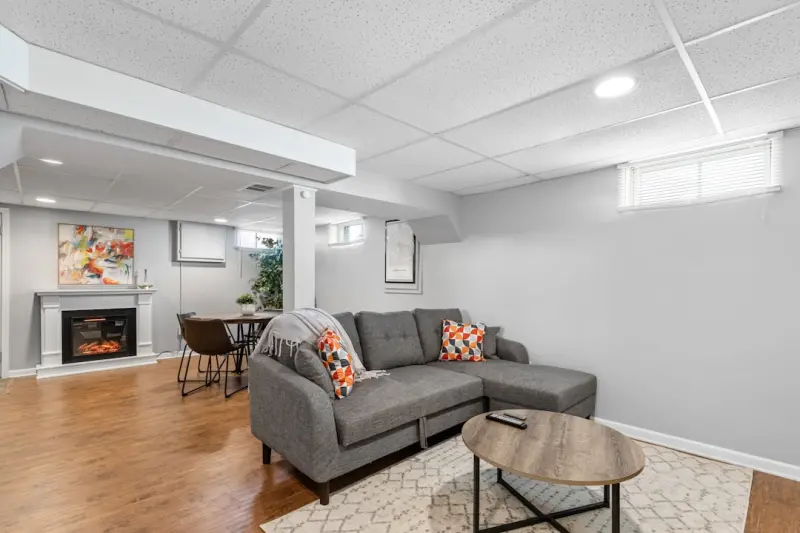
Why a Basement Isn’t Just a Storage Closet Anymore
When I first walked into a dim, concrete‑filled basement on a rainy Thursday, I felt the same mix of curiosity and dread that most homeowners experience. The space was cold, under‑lit, and smelled faintly of damp cardboard. Yet, as I lingered, I started seeing the untapped potential: a room that could nurture creativity, host focused work sessions, and even improve your family’s overall well‑being. This revelation sparked a personal mission—to treat basements not as afterthoughts, but as strategic extensions of the home that deserve the same design rigor we give to living rooms or kitchens.
The First Step: Understanding the Baseline (Pun Intended)
Before you start picking out paint swatches or modular sofas, you need a solid grasp of the “baseline” conditions of your basement. Most basements suffer from three common challenges:
- Moisture Management: Even minor water ingress can cause long‑term structural issues and affect indoor air quality.
- Insulation Gaps: Concrete walls and floors are notorious energy sinks, making heating and cooling a nightmare.
- Acoustic Leakage: Sound travels differently underground, often amplifying noise from upstairs or street traffic.
Addressing these fundamentals not only prevents future headaches but also sets the stage for a space that feels intentional, not improvised.
Smart Foundation Monitoring for Peace of Mind
One of the most powerful tools I’ve adopted is smart foundation monitoring. Small, wireless sensors can be placed at critical points—around footings, near exterior walls, and even under the slab—to continuously track humidity, temperature, and structural movement. The data streams directly to a mobile dashboard, alerting you to potential leaks before they become visible. This proactive approach transforms a traditionally reactive maintenance routine into a strategic asset, ensuring that the basement stays dry, stable, and ready for the next design phase.
Energy‑Smart Insulation: Beyond the Traditional Blanket
Most DIY guides suggest slapping a roll of foam board on the walls and calling it a day. While that works for a quick fix, it ignores the opportunity to integrate insulation with the building’s overall energy ecosystem. Consider these upgrades:
- Spray‑Foam with Vapor Barriers: Provides airtight sealing while allowing controlled vapor diffusion.
- Radiant‑Heat Panels: Installed beneath the finished floor, they deliver gentle, even warmth without the noise of forced‑air systems.
- Thermal Mass Flooring: Polished concrete or stone absorbs daytime heat and releases it at night, stabilizing indoor temperature.
When paired with a modern heat‑pump system, these measures can slash your heating bill by up to 30 % while creating a comfortable, low‑maintenance environment.
Lighting the Underground: From Gloom to Glow
Good lighting is the secret sauce of any successful renovation, but basements need a tailored approach. I love combining three layers:
- Ambient Light: Recessed LED strips along the joists provide a soft, even wash that mimics natural daylight.
- Task Lighting: Adjustable, plug‑in fixtures above workstations or craft tables keep your eyes sharp without glare.
- Accent Light: LED uplights behind shelving or behind a faux‑window panel can add depth and a sense of openness.
Don’t forget the power of smart bulbs. With programmable scenes, you can transition from a bright “focus” mode to a dimmed “movie night” ambience at the tap of a button.
Acoustic Zoning: Turning Noise Into Silence
Because sound behaves differently underground, I recommend treating the basement as a series of acoustic zones rather than a single open room. Here’s how to create distinct auditory environments:
- Mass‑Loaded Vinyl (MLV) Barriers: Install MLV behind drywall to block low‑frequency vibrations from upstairs.
- Floating Floors: Decouple the finish floor from the concrete slab using resilient underlayment, dramatically reducing impact noise.
- Sound‑Absorbing Panels: Fabric‑wrapped acoustic panels double as decorative art pieces, adding texture while soaking up reverberations.
These interventions are especially valuable if you plan to host a home theater, a podcast studio, or simply a quiet reading nook.
Biophilic Design: Bringing the Outdoors In
There’s a reason people gravitate toward indoor gardens: they boost mood, improve air quality, and even sharpen focus. In a basement, where natural light is scarce, you can still harness biophilic principles:
- LED Grow Lights: Full‑spectrum LEDs mimic sunlight, supporting a small collection of low‑maintenance plants like snake plants, pothos, or even a vertical herb garden.
- Living Walls: A modular moss panel can serve as a living art piece, absorbing CO₂ and releasing oxygen.
- Natural Materials: Incorporate reclaimed wood, stone veneers, or bamboo flooring to evoke a sense of organic calm.
By weaving nature into the design, the basement transforms from a cold, utilitarian space into a sanctuary that nurtures both body and mind.
Flexible Layouts for Work, Play, and Everything In‑Between
One of my favorite design philosophies is “design for change.” A basement should adapt as your family’s needs evolve. Consider modular furniture systems that can be re‑configured with minimal effort:
- Movable Partition Walls: Sliding panels made of frosted glass or fabric can divide the space for a home office during the week and a gym on weekends.
- Stackable Storage Units: Open‑shelf cubes double as seating and can be rearranged to create a lounge area or an art studio.
- Multi‑Purpose Platforms: Raised platforms can host a yoga space beneath a low‑profile desk, allowing you to switch modes instantly.
This fluidity ensures the basement remains a valuable asset, not a static afterthought.
Integrating Sustainable Practices with Circular Maintenance
Renovations generate waste, but that doesn’t have to be a permanent side effect. By adopting a circular maintenance approach, you keep materials in play long after the project wraps up. Here are a few ideas:
- Reclaimed Materials: Source reclaimed brick, reclaimed wood, or salvaged metal fixtures for a unique aesthetic while diverting waste from landfills.
- Upcycled Furniture: Transform old office chairs into industrial‑style bar stools or repurpose a vintage dresser as a media console.
- Closed‑Loop Water Systems: Install a grey‑water recycling unit for the bathroom or laundry area, feeding it back into the house’s irrigation system.
When you view your basement renovation through a sustainability lens, each decision adds up to a greener, more resilient home.
Smart Home Integration: The Invisible Backbone
Modern basements thrive on connectivity. A central hub that links lighting, climate, security, and entertainment systems creates a seamless user experience. Some practical integrations include:
- Voice‑Activated Controls: Use assistants like Alexa or Google Home to toggle lights, adjust temperature, or start a playlist without leaving your couch.
- Environmental Sensors: Pair humidity sensors with an HVAC system that automatically dehumidifies when levels climb above 55 %.
- Security Cameras with Motion Detection: Discreetly placed cameras can alert you to unexpected movement, adding a layer of safety to the space.
These smart layers operate quietly in the background, letting you focus on the activities you love.
Personal Touches: Making the Space Yours
All the tech, insulation, and acoustic tricks won’t matter if the basement doesn’t reflect your personality. I always encourage homeowners to sprinkle in personal elements—family photos, travel souvenirs, or a custom mural. Even small details like a signature color palette or a curated scent (think cedar or eucalyptus) can anchor the space emotionally, turning a functional room into a beloved part of the home.
Final Checklist: From Vision to Reality
To keep the renovation process organized, use this quick checklist:
- Conduct a moisture audit and install smart sensors.
- Upgrade insulation with spray‑foam and radiant‑heat panels.
- Plan layered lighting and integrate smart bulbs.
- Implement acoustic zoning using MLV, floating floors, and panels.
- Introduce biophilic elements: plants, natural materials, LED grow lights.
- Choose modular furniture and flexible partitions.
- Adopt circular maintenance practices with reclaimed materials.
- Set up a central smart hub for lighting, climate, and security.
- Add personal décor that reflects your style.
Following these steps, you’ll turn a neglected basement into a vibrant, health‑focused hub that boosts productivity, encourages relaxation, and adds real value to your property.

Kelly Reynolds is a dynamic freelance writer hailing from the picturesque landscapes of Alberta. A master of the written word, she juggles her passion for storytelling with the exhilarating chaos of being a mother to five spirited children. With an impressive portfolio that spans various genres, Kelly captivates readers through her engaging blog posts and thought-provoking articles.
Related Posts
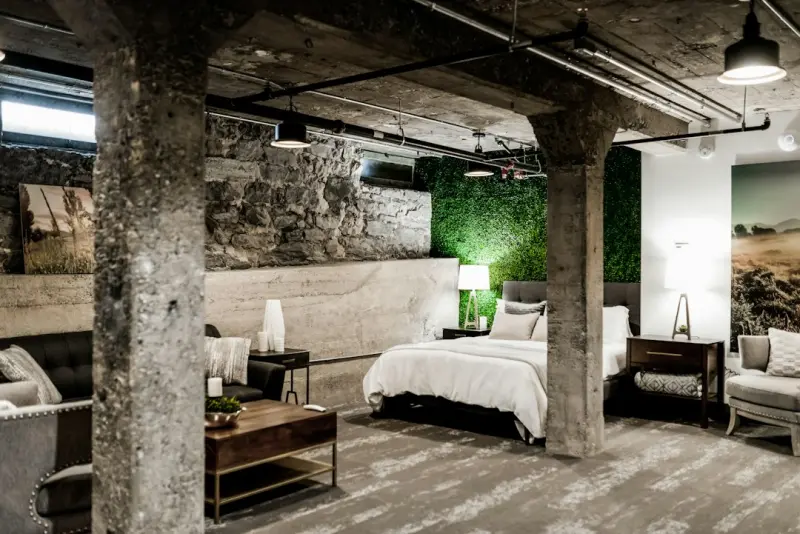
Designing a Future‑Proof Basement That Grows With You
A step‑by‑step guide to building a moisture‑tight, modular, and intelligent basement that can ... Read More
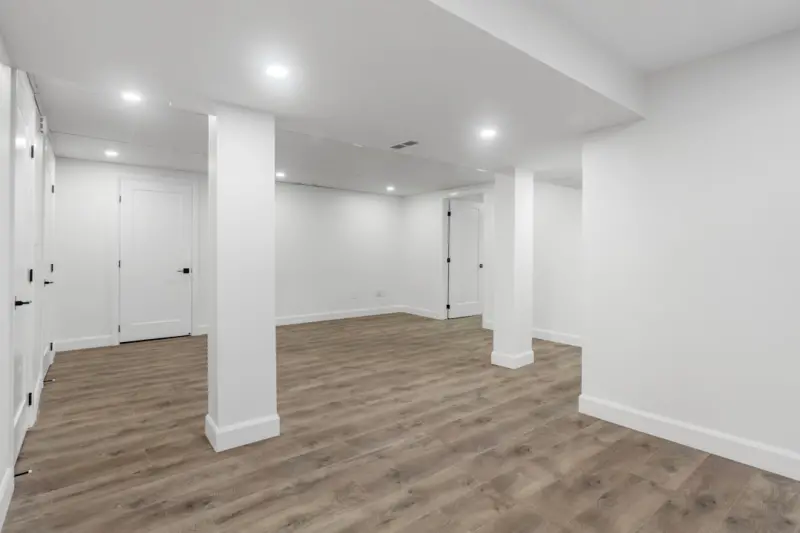
From Dark to Dynamic: Leveraging Basement Renovations for Scalable Business Spaces
Basements are often overlooked, but with modular construction, data‑driven comfort, and strategic ... Read More
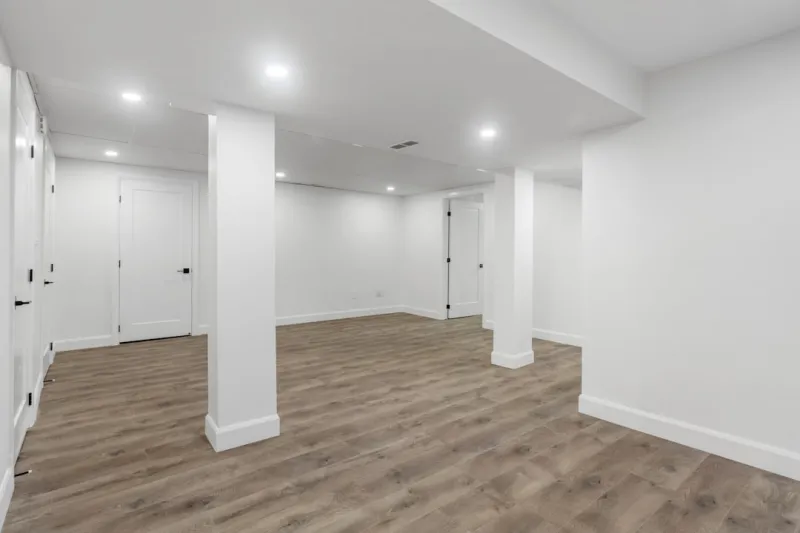
The Ultimate Guide to Basement Renovations: Transforming Your Space
Unlock the full potential of your home with a well-planned basement renovation. Learn the essential ... Read More
Top Posts
Why Your Countertop Edge Matters More Than You Think
Explore the hidden benefits of countertop edge designs, from ergonomic comfort and hidden storage to resale impact and eco‑friendly material pairings....Read More
Rethinking Countertops: Smart, Sustainable Surfaces for Modern Spaces
Countertops are evolving from static finishes to intelligent, sustainable surfaces. This post uncovers how embedded sensors, recycled composites, modular system...Read More
Embracing Sustainable Home Improvements: A Comprehensive Guide
Make eco-friendly choices that benefit both the planet and your quality of life with sustainable home improvements. Learn how to get started with sustainable ma...Read More
The Interconnection Between Foundation Repair and Sustainable Home Design
Explore the intricate relationship between foundation repair and sustainable home design. Learn how prioritizing sustainable practices can ensure a stable, secu...Read More
0 Comments
Post Comment
You will need to Login or Register to comment on this post!