
Why Mold Removal Needs a Predictive, Sensor‑Driven Approach
When mold shows up on a wall or under a floorboard, most of us reach for bleach, a scrub brush, and a weekend of elbow grease. The problem with that reaction is that it treats mold as a symptom rather than a system failure. In modern commercial and residential buildings, moisture, ventilation, and material choice are all data points that, when analyzed correctly, can predict where mold will thrive long before spores become visible.
In this post, I’ll walk you through the emerging methodology that treats mold removal as a continuous, data‑rich process. We’ll explore how IoT‑enabled humidity sensors, building‑automation platforms, and AI‑driven analytics converge to give facilities managers a proactive edge. By the end, you’ll understand why waiting for the tell‑tale black patches is a relic of the past, and how a predictive framework can save thousands in remediation costs while preserving indoor health.
The Hidden Cost of Reactive Mold Remediation
Traditional mold remediation is expensive, disruptive, and often incomplete. According to industry estimates, the average commercial mold cleanup runs between $3,000 and $10,000, not counting lost productivity, equipment downtime, and potential liability from health complaints. Reactive strategies also tend to focus on the visible surface, leaving hidden colonization in wall cavities, HVAC ducts, or under concrete slabs untouched. This leads to recurring outbreaks and a vicious cycle of repairs.
Beyond the monetary impact, there’s a human cost. Mold spores can trigger asthma attacks, allergic reactions, and even chronic respiratory issues. For property owners and operators, that translates to higher insurance premiums and a tarnished reputation.
Turning Buildings into Living, Learning Systems
The next step is to reframe a building as a living system—one that continuously monitors its own health and alerts stakeholders before problems become visible. This is where sensor networks and data platforms enter the picture.
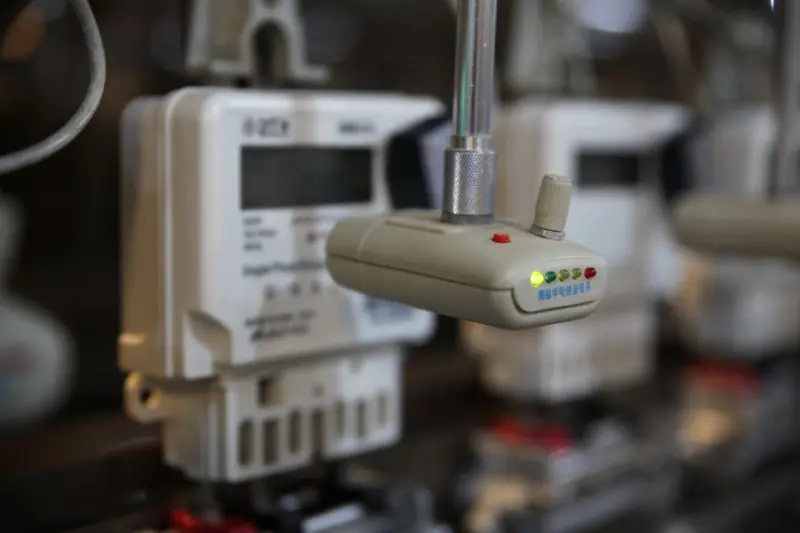
- Humidity Sensors: Placed in high‑risk zones (basements, bathrooms, roof decks), these devices log relative humidity (RH) in real time. When RH stays above 60 % for extended periods, the risk of mold spikes dramatically.
- Temperature Probes: Mold growth rates are temperature‑dependent. Pairing temperature data with humidity creates a more accurate “growth index.”
- Airflow Meters: Stagnant air pockets encourage moisture accumulation. Monitoring airflow helps identify ventilation deficiencies.
- Moisture Intrusion Detectors: Sensors that detect water leaks in plumbing or roofing systems can trigger immediate alerts, preventing prolonged wetness.
All these data streams feed into a building‑automation controller that can execute corrective actions automatically—like ramping up dehumidifiers, adjusting HVAC set points, or opening motorized vents.
From Data to Decisions: The Role of AI and Predictive Analytics
Collecting data is only half the battle; interpreting it at scale is where AI shines. Machine‑learning models, trained on historical moisture patterns and known mold incidents, can forecast high‑risk zones weeks in advance. The output is a risk heat map that highlights “hot spots” requiring attention.
Here’s a simplified workflow:
- Sensor data streams into a cloud‑based time‑series database.
- Pre‑processing normalizes readings and flags outliers.
- A predictive model calculates a mold risk score for each zone.
- The system triggers automated mitigation steps or sends a maintenance ticket.
- Post‑action sensor data validates the effectiveness of the intervention.
Because the model learns from each remediation event, its predictions become sharper over time, reducing false alarms while catching subtle moisture trends that human inspectors would miss.
Integrating Mold Management with Broader Building Resilience Strategies
Many forward‑thinking owners are already investing in climate‑smart home strategies to lower energy use and improve occupant comfort. Mold management dovetails neatly with those initiatives:
- Energy Efficiency: Dehumidifiers consume power. By only activating them when predictive models signal a genuine risk, you avoid unnecessary energy draw.
- Indoor Air Quality (IAQ): Real‑time humidity control reduces the need for chemical cleaners, preserving a healthier indoor environment.
- Building Envelope Integrity: Sensors that detect roof or wall leaks feed into a larger maintenance schedule, ensuring that the envelope remains watertight.
In fact, a well‑tuned mold‑prevention system can become a cornerstone of a resilient building, aligning with sustainability certifications like LEED or WELL.
Case Study: A Mid‑Size Office Complex Reduces Mold Incidents by 80 %
Consider a 150,000‑square‑foot office building that historically battled recurring mold in its basement archives. The property manager installed a network of 30 humidity and temperature sensors, integrated them with the existing building‑automation system, and deployed a custom predictive model.
Key outcomes after six months:
- Moisture‑related work orders dropped from 12 per month to 2.
- Energy consumption from dehumidification fell by 35 %.
- Tenant complaints about “musty odors” vanished entirely.
- The building achieved a Gold certification for indoor environmental quality under the WELL program.
This example underscores how a data‑driven approach turns mold removal from a reactive expense into a strategic advantage.
Designing for Mold Prevention in New Construction
While retrofitting existing structures is valuable, the most cost‑effective strategy is to embed mold‑resilience into the design phase. Here are three design principles that work hand‑in‑hand with sensor‑driven monitoring:
- Material Selection: Choose low‑absorption finishes, such as cementitious backer boards in wet areas, and avoid organic substrates that feed mold.
- Ventilation Zoning: Separate HVAC zones for bathrooms, kitchens, and laundry rooms to prevent cross‑contamination of moisture.
- Drainage Planning: Incorporate sloped concrete slabs and proper flashing to direct water away from the building envelope.
When these fundamentals are in place, the sensor network simply acts as an early‑warning system, confirming that the design intent is being honored over the building’s lifecycle.
Choosing the Right Remediation Tools When Intervention Is Needed
Even with the best predictive system, occasional remediation will still be necessary. The key is to use tools that are both effective and environmentally responsible:
- Encapsulating Biocides: These seal the surface while killing spores, reducing the need for repeated applications.
- HEPA‑Filtered Negative Air Machines: Capture airborne spores during removal to protect occupants.
- Dry Ice Blasting: A non‑chemical method that freezes and dislodges mold without leaving residue.
When combined with sensor data that pinpoints the exact location and extent of growth, you can target remediation precisely, minimizing disruption and waste.
Maintenance Workflow: From Alert to Action
To make the system user‑friendly, map the sensor alerts to a clear maintenance workflow:
- Alert Generation: The platform sends an email/SMS when the mold risk score exceeds a threshold.
- Ticket Creation: An automatic work order appears in the CMMS (Computerized Maintenance Management System).
- On‑Site Inspection: A technician verifies the condition with a handheld hygrometer and visual assessment.
- Remediation: The appropriate toolset is deployed based on the severity.
- Post‑Remediation Validation: Sensors confirm that RH levels return to safe ranges, closing the loop.
This loop ensures accountability and creates a data trail that can be audited for compliance or insurance purposes.
Future Trends: Autonomous Remediation Robots
Looking ahead, the next frontier is the integration of robotics. Imagine a small, autonomous unit that navigates ducts and crawlspaces, detects elevated humidity, sprays a targeted biocide, and reports back—all without human intervention. Early prototypes are already being piloted in industrial facilities, and the technology is expected to trickle down to commercial real estate within the next few years.
When combined with the predictive analytics discussed earlier, such robots could act on alerts instantly, slashing remediation time from days to hours.
Bridging Mold Management with Other Smart Building Initiatives
Most modern facilities already have an ecosystem of smart technologies—lighting controls, occupancy sensors, and energy dashboards. Mold management can be integrated into this ecosystem to provide a unified view of building health.
For instance, a intelligent roofing solution that monitors solar gain and rainwater runoff can feed its data into the same platform that tracks humidity. When the roof detects prolonged water pooling, it can preemptively adjust interior dehumidification set points, preventing the moisture cascade that leads to mold.
By breaking down silos between systems, you achieve a holistic “building‑as‑a‑service” model where each component supports the others, delivering higher performance and lower total cost of ownership.
Key Takeaways for Facility Leaders
- Treat mold as a predictive maintenance issue, not a one‑time clean‑up task.
- Deploy a network of humidity, temperature, and airflow sensors in high‑risk zones.
- Leverage AI models to transform raw data into actionable mold risk scores.
- Integrate mold alerts with existing CMMS workflows for rapid response.
- Design new constructions with moisture‑resilient materials and ventilation zoning.
- Consider emerging autonomous remediation technologies for faster mitigation.
By embracing a data‑centric, proactive stance, you protect both the structural integrity of your assets and the health of the people who occupy them. Mold removal stops being a dreaded surprise and becomes another routine line item in your smart building playbook.

Lifan Chen is a freelancer based in Toronto specializing in marketing. With expertise in crafting effective marketing strategies and campaigns, Lifan helps businesses grow their brand presence and reach target audiences. As a Toronto-based freelancer, Lifan combines local market insights with creative marketing skills to deliver tailored solutions for clients.
Related Posts

The Hidden Dangers of Mold: A Comprehensive Guide to Removal and Prevention
Mold growth is a silent killer, causing damage to structures, health issues, and financial burdens. ... Read More

The Hidden Playbook for Long‑Term Mold Prevention
A step‑by‑step guide reveals how moisture control, ventilation, smart material choices, and ongo... Read More
The Hidden Cost of Ignoring Mold: A Data‑Driven Playbook for Facility Managers
Treat mold removal as a core operational metric with continuous moisture monitoring, data analytics,... Read More
Top Posts

The Evolution of Tiling: Trends, Innovations, and Best Practices
The world of tiling is evolving rapidly, driven by advances in technology and changing consumer preferences. Learn about the latest trends, innovations, and bes...Read More
Transforming My Backyard: A Sustainable Landscaping Journey
A personal guide to turning your yard into a sustainable oasis, featuring native planting, permeable pathways, and solar‑powered lighting....Read More

The Sustainable Contractor’s Guide to Duct Cleaning: Why It Matters and How to Do It Right
A seasoned contractor shares sustainable duct cleaning strategies, debunking myths, linking to related eco‑friendly practices, and outlining maintenance tips ...Read More

Silent Sanctuaries: Boosting Acoustic Comfort with Smart Windows and Doors
Explore the power of acoustic windows and doors to silence street noise, improve wellbeing, and add lasting value to your home with expert design and smart tech...Read More
0 Comments
Post Comment
You will need to Login or Register to comment on this post!