
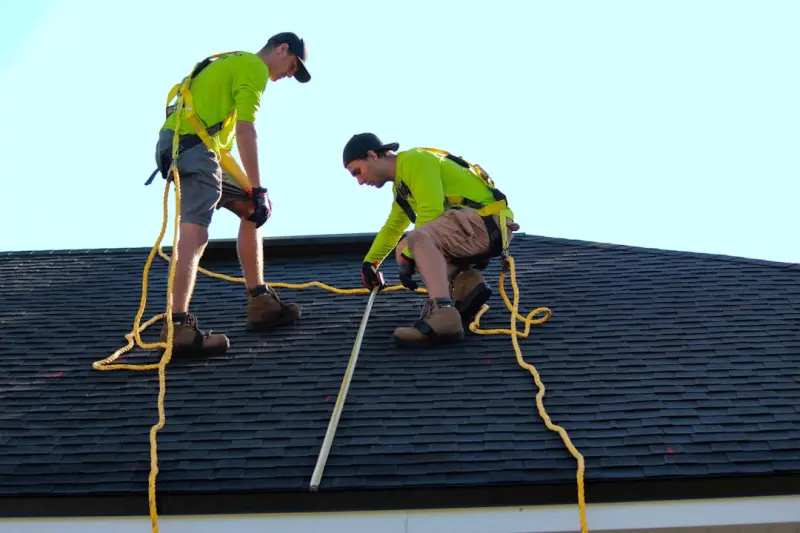
Why Roofs Need a Makeover
When I first started managing commercial facilities, the roof was the last thing on my mind – a static, “set‑and‑forget” element that simply kept the rain out. Over the past decade, that mindset has crumbled under the weight of climate volatility, rising energy costs, and the relentless march of sensor technology. Today, a roof can be more than a protective shell; it can be a data‑rich platform, a source of renewable power, and a dynamic regulator of indoor comfort. In this post I’ll walk you through the emerging toolkit that’s turning traditional shingles into intelligent, revenue‑generating assets.
The Sensor‑Rich Roof: Seeing What You Can’t See
Imagine a roof that knows when a storm is brewing, how much load a heavy snowfall is putting on its structure, and whether a tiny leak is forming before any drop reaches the ceiling. That’s no longer sci‑fi. Modern roof‑mounted sensors can monitor temperature gradients, humidity, wind pressure, and even structural strain in real time. The data streams into a cloud‑based dashboard where AI algorithms flag anomalies, predict failures, and suggest preventive actions.
For facilities that already leverage IoT in plumbing, extending the same data philosophy to the roof is a natural next step. The payoff? Reduced emergency repair costs, longer roof lifespan, and a proactive maintenance culture that aligns with the broader digital transformation agenda.
Adaptive Materials: From Passive Shield to Active Regulator
Traditional roofing materials are designed for durability, not adaptability. The new wave of adaptive roofing membranes incorporates phase‑change materials (PCMs) that store heat when the sun blazes and release it when the night cools. Coupled with reflective “cool‑roof” coatings, these systems dramatically cut cooling loads in hot climates while preserving warmth during winter.
When paired with the next‑gen insulation solutions highlighted in our recent post, the roof becomes a two‑way thermal conduit rather than a one‑way barrier. The result is a building envelope that dynamically balances heat flow, slashing HVAC energy consumption by up to 30% in some case studies.
Solar + Storage Integration: Turning Sunlight Into a Grid Asset
Solar panels have been the poster child for roof‑mounted renewables, but the conversation has shifted from “how many kilowatts can I squeeze on my roof?” to “how can my roof become a micro‑grid node?” Modern photovoltaic (PV) modules are now lightweight, flexible, and even semi‑transparent, allowing architects to preserve aesthetic integrity while maximizing surface area.
What makes the integration truly intelligent is the inclusion of on‑roof battery storage and smart inverters that communicate with building management systems (BMS). When the sun sets, stored energy can be dispatched to offset peak demand, shaving utility bills and reducing demand‑charge penalties. In regions with net‑metering, excess power can be fed back to the grid, turning the roof into a revenue stream.
Don’t forget the synergy with smart gutter systems. By harvesting rainwater for irrigation or gray‑water reuse, the roof becomes a holistic resource hub that manages both energy and water.
Drone‑Enabled Inspections: The Eyes in the Sky
Traditional roof inspections involve ladders, scaffolding, and a lot of guesswork. Drones equipped with high‑resolution cameras and LiDAR sensors can now sweep an entire roof in minutes, generating 3D models that pinpoint weak spots, blistering membranes, or loose fasteners. The data is automatically uploaded to the same analytics platform that powers the sensor suite, creating a unified view of both “live” and “snapshot” conditions.
For property managers juggling multiple sites, this means a single dashboard that schedules inspections, recommends maintenance crews, and tracks compliance with warranty terms. The reduction in labor hours and the early detection of issues translate into measurable ROI within the first two years of adoption.
Linking Roofs to Smart Home and Building Ecosystems
The modern roof is not an island; it is a node in a larger IoT ecosystem. When a sensor detects a rapid temperature drop, the BMS can pre‑heat the interior or adjust blinds to retain warmth. If wind speed spikes beyond a threshold, automated shutters can close to protect delicate PV panels. Even occupancy data from smart thermostats can inform roof‑level shading strategies, optimizing daylight while minimizing glare.
This cross‑talk between roof and interior systems aligns with the “intelligent alarm” philosophy we explored earlier, where alerts are no longer reactive but prescriptive. The roof, in this context, becomes a proactive partner in occupant comfort and energy efficiency.
Economic and Environmental Payoff
Investing in an intelligent roof does not require a massive capital outlay if approached in phases. Start with sensor retrofits—these are relatively low‑cost and immediately generate actionable insights. Next, layer adaptive membranes or PCMs to improve thermal performance. Finally, add solar PV and storage as the budget permits.
From an environmental perspective, the cumulative impact is compelling: reduced HVAC energy use, lower greenhouse‑gas emissions from on‑site solar generation, and decreased water runoff thanks to smart gutters. Many municipalities now offer incentives for “green roofs” and “energy‑producing façades,” which can offset up to 30% of the upfront cost.
Implementation Roadmap: From Concept to Reality
- Assessment & Baseline: Conduct a drone survey and install a basic sensor suite to understand current performance.
- Design Integration: Work with architects and material suppliers to select adaptive membranes, PCMs, and compatible PV modules.
- Phased Installation: Begin with sensor‑driven maintenance, then roll out adaptive materials during scheduled roof replacements.
- Energy Integration: Install solar panels and battery storage, linking them to the BMS.
- Continuous Optimization: Use AI analytics to fine‑tune shading, ventilation, and energy dispatch based on real‑time data.
Each phase builds on the data foundation of the previous step, ensuring that you’re never “flying blind.” The key is to treat the roof as a living system, not a static structure.
Future Glimpse: Roofs That Talk to the Grid
Looking ahead, the next evolution will be roofs that actively participate in grid balancing. By aggregating the storage capacity of dozens of buildings, utilities could tap into a distributed reserve that smooths out demand spikes. In such a scenario, the roof’s AI would negotiate price signals, decide when to charge or discharge, and even bid into energy markets—all without human intervention.
For now, the tools are already in our hands: sensors, adaptive materials, drones, and integrated solar. The challenge is cultural—shifting from a mindset of “roof as shelter” to “roof as intelligent asset.” As someone who’s watched the industry evolve from heavy‑duty tar‑and‑gravel to data‑driven platforms, I can say with confidence that the future of roofing is not just about keeping the rain out; it’s about harnessing the sky.

Paul Gray is a dynamic blogger based in Brampton, where he shares his life with his amazing wife, Sarah. Known for his engaging writing style and relatable insights, Paul has carved out a niche in the blogging world that resonates with readers from all walks of life. When he's not crafting captivating posts, you can find him savoring a cold beer or indulging in the latest blockbuster movie. With a friendly demeanor and a passion for storytelling, Paul brings a unique perspective to his work, making him not just a blogger, but a voice for those who appreciate the simple joys of life.
Related Posts

Roofing Reinvented: Subscription, Self‑Healing Materials, and AI Monitoring
A deep dive into the emerging model of Roofing‑as‑a‑Service, highlighting subscription financi... Read More
When Your Roof Becomes a Storytelling Canvas: Design, Sustainability & Personal Flair
Explore the art of roofing beyond protection—learn to blend color, eco‑friendly materials, and t... Read More

The Evolution of Sustainable Roofing: A Greener Future for Your Home
The roofing industry has undergone a significant transformation, with a growing focus on eco-friendl... Read More
Top Posts
Modular Decks: Redefining Outdoor Space for Modern Living
Discover why modular decks are becoming essential for city dwellers, health-conscious homeowners, and entrepreneurs, offering adaptable design, sustainability, ...Read More
The Ultimate Renovation Checklist: From Planning to Perfect Finish
A comprehensive, homeowner‑focused renovation checklist that guides you from vision and budgeting to sustainable upgrades, final inspections, and lasting comf...Read More
Why Duct Cleaning Is the Unsung Hero of Healthy Buildings
Duct cleaning is often overlooked, yet it dramatically improves indoor air quality, cuts energy use, and extends HVAC lifespan. Learn why a proactive cleaning s...Read More

The Smart Artisan’s Guide to Profitable Furniture Restoration
Learn to blend craftsmanship with data, sustainability, and smart marketing to turn vintage furniture restoration into a profitable, high‑value service....Read More
0 Comments
Post Comment
You will need to Login or Register to comment on this post!