

When homeowners talk about energy upgrades, the conversation often circles around windows, insulation, and HVAC systems. The garage door—those massive, often-overlooked panels that guard our vehicles and storage—rarely gets a seat at the table. Yet, an insulated garage door can be the single most cost‑effective upgrade you make this decade. It works like a thermal blanket, sealing out winter’s chill and summer’s heat, while also delivering security, curb appeal, and long‑term resale value.
The Thermal Science Behind an Insulated Door
At its core, an insulated garage door is a sandwich of high‑density foam or rigid polyurethane panels sandwiched between steel or aluminum skins. This construction creates a high R‑value—a measure of resistance to heat flow—often ranging from R‑7 to R‑20, depending on the thickness and material.
Think of it like a refrigerator door: without proper insulation, the interior temperature fluctuates wildly, forcing the appliance to work harder. The same principle applies to your garage. In colder climates, an uninsulated door can let in up to 20 % of the total heat loss from the home’s envelope, while in hot regions it can add unwanted heat that raises indoor temperatures and spikes air‑conditioning demand.
Real‑World Savings: More Than Just a Number
Energy models from the Department of Energy suggest that upgrading from a 1‑inch steel door to a 2‑inch insulated door can reduce heating and cooling loads by 10–15 %. In practical terms, that translates to a typical homeowner saving between $150 and $300 annually on utility bills. The payback period, when factoring in the modest upfront cost, often falls under five years—making it a savvy financial move, not just an aesthetic one.
But the savings don’t stop at the thermostat. An insulated door also reduces air infiltration, which can keep dust, pollen, and garage‑borne odors from seeping into your living spaces. For families with allergies or sensitivities, that extra barrier can improve indoor air quality without the need for additional filtration.
Design Considerations: Marrying Form and Function
Today's market offers a spectrum of designs that blend performance with curb appeal. Whether you prefer the classic carriage‑house look, sleek contemporary panels, or custom wood‑grain finishes, manufacturers can embed insulation without compromising style.
- Panel Material: Steel remains the most common skin due to its durability and low maintenance, but aluminum and composite options are gaining traction for their lighter weight and resistance to corrosion.
- Insulation Type: Polystyrene provides a cost‑effective solution, while polyurethane offers superior R‑values and a tighter seal.
- Finishes: From matte black to vibrant reds, modern paint technologies ensure the door resists fading, chipping, and UV damage.
When selecting a door, consider the overall visual language of your home. A well‑chosen garage door can become a focal point, enhancing curb appeal and potentially increasing property value by up to 5 % according to real‑estate surveys.
Integrating Smart Automation
While insulation does the heavy lifting on energy savings, pairing your garage door with smart automation can amplify convenience and security. A high‑performance garage design often includes a motorized opener linked to your home’s Wi‑Fi network, allowing you to monitor status, receive alerts, and even control the door via voice assistants.
Advanced sensors can detect temperature differentials, prompting the system to close the door automatically if a sudden drop threatens to waste heat. Some platforms also integrate with your maintenance dashboard, logging usage patterns that help schedule lubrication, spring inspections, and remote diagnostics before a failure occurs.
Maintenance Hacks That Extend Performance
Even the best insulated door will falter without regular care. Below are proven habits that keep the door humming:
- Lubricate moving parts: Apply silicone‑based spray to hinges, rollers, and tracks every six months. Avoid grease, which can attract dust.
- Inspect the weatherstripping: The rubber seal around the door’s perimeter should be flexible and free of cracks. Replace it if you notice drafts or water ingress.
- Check the balance: Disconnect the opener, manually lift the door halfway, and see if it stays in place. If it drops, the springs need adjusting—call a professional.
- Clean the panels: Use a mild detergent and a soft brush to remove grime, which can degrade the finish and trap moisture.
Creating a simple maintenance calendar—perhaps a quarterly reminder in your phone—can turn these tasks into a painless routine, extending the door’s lifespan well beyond the typical 15‑year benchmark.
Security Benefits: More Than Just a Barrier
Insulated doors are inherently stronger due to the added core material, making them more resistant to forced entry. Modern models also incorporate reinforced steel brackets and tamper‑proof fasteners. When combined with a smart opener that offers rolling code technology—changing the access code after each use—the door becomes a formidable line of defense against burglars.
Moreover, many insulated doors now feature built-in impact‑resistant glass panels, allowing natural light while maintaining security. This design not only brightens the garage interior but also deters intruders who prefer darkness for concealment.
Environmental Impact: Sustainable Choices
Choosing an insulated garage door aligns with broader sustainability goals. The foam core can be sourced from recycled materials, and many manufacturers run take‑back programs for old doors, ensuring that steel and insulation are reclaimed rather than ending up in landfills.
By reducing the heating and cooling load on your home, you indirectly lower your carbon footprint. According to the EPA, a typical household can cut annual CO₂ emissions by up to 0.5 tons simply by upgrading the garage door—a modest yet meaningful contribution to climate mitigation.
Cost‑Effective Upgrades: Finding the Right Balance
Budget considerations often dictate the scope of a home improvement project. While premium insulated doors with custom finishes can cost several thousand dollars, there are mid‑range options that deliver solid R‑values without breaking the bank.
When budgeting, factor in potential rebates or incentives from local utilities—some programs offer up to $500 off for energy‑efficient upgrades. Additionally, the resale value boost often offsets the initial outlay, making the door a financially sound investment.
Future‑Proofing Your Home
As smart homes become the norm, the garage door will play an increasingly central role in automation ecosystems. By selecting a door with integrated sensors, you lay the groundwork for future features such as:
- Automated lighting that turns on when the door opens.
- Temperature‑controlled vents that regulate garage climate for hobbyists or home gyms.
- Integration with EV charging stations, ensuring the door remains closed to maintain optimal charging efficiency.
These capabilities turn a simple entry point into an intelligent hub, ready to adapt as technology evolves.
Conclusion: A Small Change with Big Impact
Insulated garage doors may not make headlines, but they quietly deliver a suite of benefits—energy savings, enhanced security, aesthetic upgrades, and environmental responsibility—all wrapped in a single, often‑overlooked investment. By approaching your garage door with the same strategic mindset you apply to windows or HVAC, you unlock a hidden ROI that pays dividends in comfort, cost, and curb appeal.

William Roy is a freelance writer originally from Montreal who moved to Ottawa with his wife of 50 years to be closer to their grandkids. Alongside his writing, William has a passion for fishing.
Related Posts
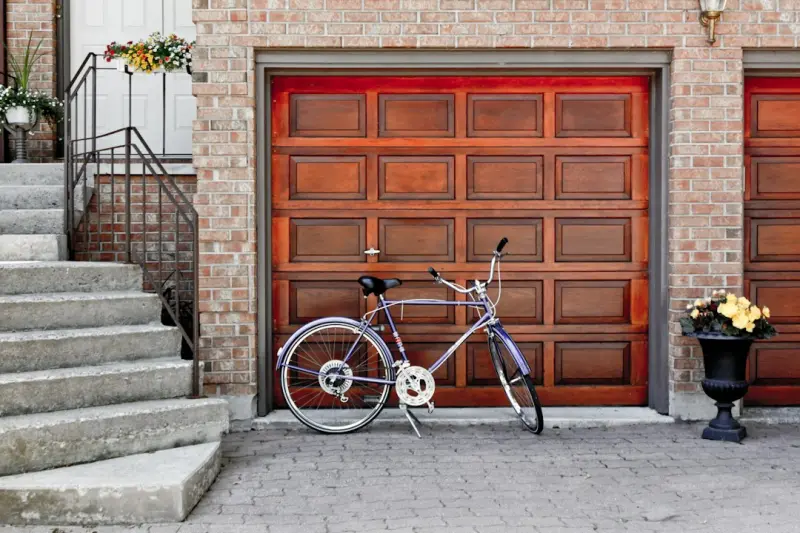
Opening Opportunities: The Real ROI of a Modern Garage Door
A garage door isn’t just a cover for your car; it’s a pivotal element that impacts energy use, s... Read More
Unlocking the Hidden Power of Insulated Garage Doors
Learn to upgrade your garage door with insulation, weatherstripping, and smart monitoring for better... Read More
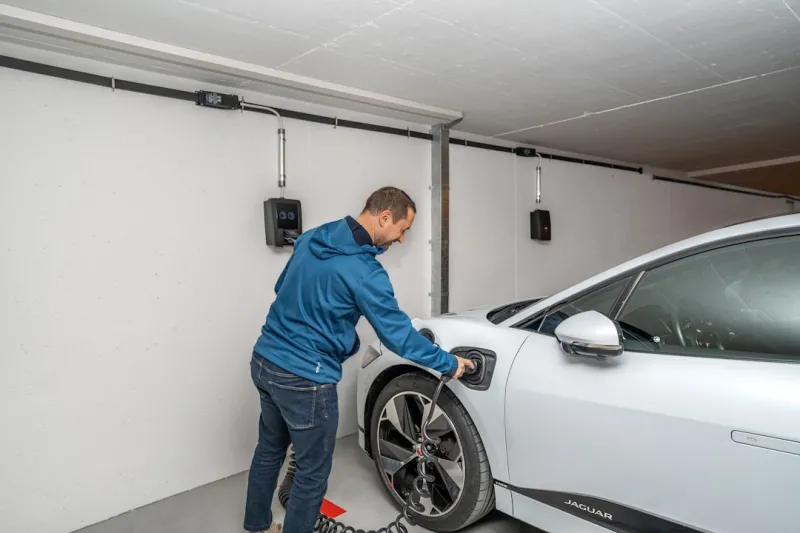
The Sustainable Benefits of Eco-Friendly Garage Doors
Eco-friendly garage doors offer a range of sustainable benefits, from energy efficiency to reduced e... Read More
Top Posts

The Mobile Repair Cart: A DIYer's Ultimate Portable Workshop
Learn step-by-step how to create a mobile repair cart that organizes tools, adapts to seasonal projects, and leverages waste materials for a greener, more effic...Read More

Concrete’s Second Act: Green, Resilient, and Ready for Tomorrow
Concrete is undergoing a quiet revolution—low‑carbon cements, recycled aggregates, 3D printing, and self‑healing technologies are reshaping its role in su...Read More

Smart Tree Care: Tech‑Driven Strategies for a Sustainable Home
Explore how modern technology, seasonal pruning, and soil health can transform tree care into a sustainable, energy‑saving habit for any homeowner....Read More

Pricing Your Handyman Services: A Practical Guide to Profitability
Discover a step‑by‑step approach to pricing handyman jobs, from breaking down costs and researching local rates to crafting transparent estimates that win c...Read More
0 Comments
Post Comment
You will need to Login or Register to comment on this post!