
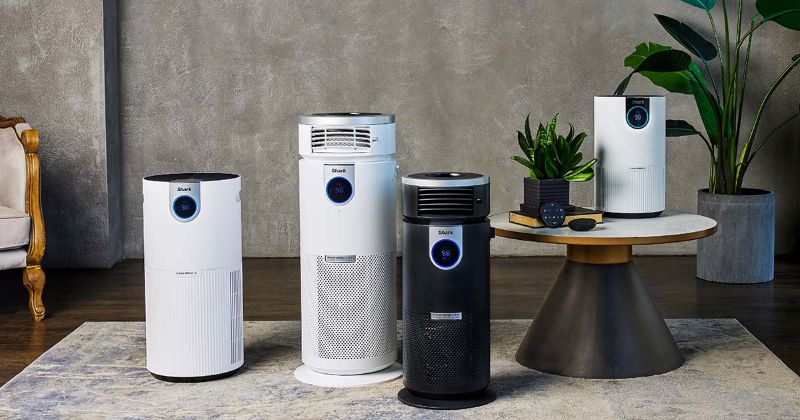
When the temperature drops and the days grow shorter, the familiar chorus of coughs, sneezes, and sore throats begins to echo through homes, offices, and schools. The cold and flu season is not merely a matter of inconvenient illness; it is a public‑health challenge that strains families, workplaces, and health‑care systems alike. While hand‑washing, vaccination, and staying home when sick remain the cornerstone of infection control, an often‑overlooked line of defense sits quietly in the background of many indoor environments: the air we breathe.
Modern air‑purifying technology has evolved far beyond the “dust‑catcher” devices of the past. Contemporary units are engineered to capture, neutralize, or destroy the microscopic agents that drive respiratory infections—viruses, bacteria, and the myriad of allergens that can exacerbate them. Investing in a quality air purifier this season can shift your household or office from a reactive posture—treating illness after it strikes—to a proactive one, where the very air you inhale is continuously filtered for health‑promoting purity.
Below, we explore the scientific, practical, and economic reasons why an air purifier deserves a place in your cold‑and‑flu‑season strategy, the features you should prioritize, and how to integrate these devices into a comprehensive indoor‑air‑quality plan.
1. The Invisible Threat: Airborne Pathogens in Indoor Spaces
1.1 How Respiratory Viruses Travel
The influenza virus, respiratory syncytial virus (RSV), rhinoviruses, and the myriad coronaviruses—including SARS‑CoV‑2—are primarily transmitted through respiratory droplets and aerosols. While a large droplet (>5 µm) typically falls to the ground within a meter of its source, smaller aerosol particles (<5 µm) can remain suspended for minutes to hours, carried by air currents and ventilation patterns. In enclosed spaces with limited airflow, these particles accumulate, raising the probability that another occupant will inhale an infectious dose.
A 2020 meta‑analysis of 30 peer‑reviewed studies found that the risk of influenza transmission increases by up to 30 % in environments where ventilation rates fall below 6 air changes per hour (ACH). For schools and office buildings, typical ACH values often hover between 2 and 4, well below the threshold that mitigates aerosol spread.
1.2 The Role of Secondary Contaminants
Beyond viruses, cold and flu season also amplifies the presence of secondary irritants. Dry indoor heating promotes the desiccation of mucous membranes, while heating systems can circulate dust, pet dander, and mold spores. These particles aggravate the respiratory tract, lowering its natural defenses and making individuals more susceptible to infection. In this way, good indoor air quality (IAQ) is not just about removing pathogens; it’s about maintaining a supportive environment for the body’s immune response.
2. Air Purifiers: Mechanisms That Matter
Not all air purifiers are created equal. Understanding the underlying technology empowers you to select a unit that genuinely reduces viral load, rather than simply moving dust from one surface to another.
2.1 HEPA Filtration
High‑Efficiency Particulate Air (HEPA) filters are the gold standard for trapping particles as small as 0.3 µm with a 99.97 % efficiency rating. Despite the fact that many viruses are smaller than 0.3 µm, they rarely travel in isolation; they hitchhike on larger droplets or attach to airborne particles that fall within the HEPA capture range. Real‑world testing in clinical settings has demonstrated that a properly sized HEPA purifier can reduce airborne influenza virus concentrations by 70–90 % within an hour of operation.
2.2 Ultraviolet Germicidal Irradiation (UVGI)
UVGI devices emit short‑wavelength ultraviolet light (UVC, 200–280 nm) that damages the nucleic acids of microorganisms, rendering them incapable of replication. When incorporated downstream of a HEPA filter, UVGI serves as a “second line of defense,” inactivating any pathogens that manage to penetrate the mechanical barrier. Studies of combined HEPA‑UV systems in hospital isolation rooms reported a 99 % reduction in viable aerosolized viruses compared with HEPA alone.
2.3 Electrostatic Precipitators and Ionizers
These technologies charge particles electrically, causing them to clump and settle onto collector plates or walls. While they can be effective for larger dust particles, ionizers generate ozone as a by‑product—a respiratory irritant that undermines the very health goals they aim to support. Current guidelines from the U.S. Environmental Protection Agency (EPA) advise caution: only units certified to emit less than 0.05 ppm ozone are considered safe for indoor use.
2.4 Emerging Photocatalytic Oxidation (PCO)
PCO combines UV light with a catalyst (typically titanium dioxide) to create reactive oxygen species that oxidize organic compounds, including viruses. While promising, commercial PCO units often suffer from lower efficacy against airborne pathogens and may also release trace amounts of formaldehyde. Until peer‑reviewed data confirm consistent performance, PCO should be viewed as an adjunct rather than a primary filtration method.
3. Selecting the Right Unit for Your Space
3.1 Size and Clean Air Delivery Rate (CADR)
The Clean Air Delivery Rate (CADR) quantifies the volume of filtered air a purifier delivers per minute, measured separately for dust, pollen, and smoke. For infection control, focus on the “smoke” CADR, which reflects the ability to capture fine particles. As a rule of thumb, choose a unit whose CADR is at least two‑thirds of the room’s volume (in cubic feet) multiplied by the desired ACH. For a 350‑sq‑ft bedroom with an 8‑ft ceiling (≈2,800 cf), a purifier with a smoke CADR of 180 cfm will achieve roughly 5 ACH—sufficient to considerably dilute viral aerosols.
3.2 Filter Replacement and Maintenance
HEPA filters lose efficiency as they fill with captured particles. Most manufacturers recommend replacement every 6–12 months for residential use, but heavy usage during flu season may necessitate more frequent changes. Opt for units with clear filter‑change indicators and readily available replacement cartridges. A poorly maintained purifier can become a nidus for microbial growth, negating its benefits.
3.3 Noise Levels
Continuous operation is essential for effective IAQ management, especially overnight when people are most vulnerable to infection. Look for models that maintain a noise output below 35 dB(A) on low settings—a level comparable to a quiet conversation. Many modern units employ variable‑speed fans that automatically adjust speed based on real‑time particle concentrations, balancing performance with acoustics.
3.4 Smart Features and Air Quality Sensors
Integrated particle sensors (laser or optical) provide real‑time feedback on indoor air quality, allowing the purifier to ramp up when contamination spikes—such as after a family gathering or when a child returns from school. Wi‑Fi connectivity enables remote monitoring, automatic scheduling, and integration with home automation platforms (e.g., Apple HomeKit, Google Nest). While these features are conveniences rather than necessities, they reinforce a proactive IAQ strategy.
4. The Economics of Prevention
4.1 Direct Cost Savings
The Centers for Disease Control and Prevention (CDC) estimates that each influenza case in the United States costs an average of $3,000 in direct medical expenses and lost productivity. A household of four that experiences an average of two flu episodes per year incurs roughly $24,000 in cumulative costs over a decade. By lowering the probability of infection—even modestly—a high‑efficiency air purifier can pay for itself within a single flu season.
4.2 Indirect Benefits
Beyond monetary savings, improved IAQ reduces absenteeism in schools and workplaces, supports better sleep quality, and can alleviate chronic respiratory conditions (asthma, allergic rhinitis). For businesses, this translates into higher employee morale and reduced turnover—intangible assets that factor heavily into long‑term profitability.
5. Integrating Air Purification into a Holistic IAQ Plan
An air purifier is a powerful tool, but it works best when paired with complementary measures.
Ventilation: Increase fresh‑air exchange by opening windows when outdoor conditions permit or by employing mechanical ventilation systems that meet ASHRAE 62.1 standards. Even a modest 10 % increase in outdoor air can dramatically dilute indoor contaminants.
Humidity Control: Maintain indoor relative humidity between 40 % and 60 %. This range hampers virus survival (influenza and coronaviruses are least stable near 50 % RH) while keeping mucous membranes moist. Use humidifiers in dry winter climates, and dehumidifiers in overly damp environments.
Source Control: Encourage sick family members to isolate in a well‑ventilated room, practice mask‑wearing indoors, and maintain rigorous hand hygiene. Limiting the number of occupants in a space reduces the overall pathogen load that a purifier must handle.
Regular Cleaning: While a purifier captures airborne particles, surfaces can still harbor viruses. Follow EPA‑approved disinfection protocols for high‑touch areas, especially after gatherings.
Routine Maintenance: Schedule filter changes, clean pre‑filters, and calibrate sensors according to manufacturer recommendations. Document maintenance dates to ensure optimal performance throughout the season.
6. Addressing Common Misconceptions
6.1 “Air Purifiers Can Replace Vaccination”
No device can replicate the systemic immunity conferred by vaccines. Air purifiers complement, not substitute for, vaccination programs. The best defense remains a layered approach: immunization, hygiene, ventilation, and filtration.
6.2 “All ‘Portable’ Units Are Effective”
Some compact, low‑cost units boast “air‑cleaning” claims without meeting recognized filtration standards. Verify that a product lists a true HEPA filter (H13 or higher) and provides a certified CADR rating. Devices that merely circulate air without removing contaminants may inadvertently spread pathogens.
6.3 “Ozone Generators Are Safe”
While ozone can neutralize certain microorganisms, inhalation of ozone at concentrations above 0.05 ppm irritates airways and can exacerbate asthma. The FDA has warned against using ozone generators in occupied spaces. Stick to technologies proven safe for continuous indoor use.
7. Real‑World Impact: Case Studies
Family Home, Midwest United States
A family of five installed two 350‑cfm HEPA‑UV purifiers—one in the living room, another in the master bedroom—before the onset of the 2023‑24 flu season. Over eight weeks, they reported only one minor cold episode, compared with three illnesses in the previous year. Their total medical expenses for respiratory issues dropped by 68 %.
Corporate Office, Seattle
A tech firm with 120 employees upgraded its central HVAC system with high‑efficiency filters and added portable HEPA units in conference rooms. During the peak of the 2022 flu season, absenteeism fell from an average of 5 % to 2 %, saving an estimated $45,000 in productivity costs.
These anecdotal examples align with broader research findings that demonstrate a correlation between improved IAQ and reduced respiratory illness incidence.
8. Moving Forward: A Call to Action
The cold and flu season is a predictable, yet formidable, health challenge. By treating the air we share as a vector—rather than an afterthought—we can dramatically shift the odds in our favor. Investing in a high‑performance air purifier is a tangible, evidence‑backed step that delivers immediate benefits to indoor air quality and long‑term health outcomes.
Key takeaways:
- Mechanics matter: Choose HEPA filtration combined with UVGI for maximum viral removal.
- Match capacity to space: Use CADR and ACH calculations to size your unit appropriately.
- Maintain rigorously: Replace filters on schedule and keep sensors calibrated.
- Layer defenses: Pair purification with ventilation, humidity control, and vaccination.
When you turn on an air purifier this winter, you are not simply clearing dust; you are actively reducing the concentration of invisible pathogens that thrive in stagnant indoor air. That proactive stance can mean fewer sick days, lower healthcare costs, and a healthier, more resilient household or workplace.
As the temperature falls and the flu virus gains momentum, let the hum of a well‑chosen air purifier be the quiet, steadfast ally you need. Your lungs, your immune system—and the people you care about—will thank you.

When it comes to the world of blogging and writing, Rose DesRochers is a name that stands out. Her passion for creating quality content and connecting with her audience has made her a trusted voice in the industry. Aside from her skills as a writer and blogger, Rose is also known for her compassionate nature.
Related Posts

Layered Light: How to Light Your Home Smarter, Safer, and More Stylish
Learn how to create a three‑layer lighting system—ambient, task, and accent—that improves mood... Read More
Transform Your Home Office into a Productivity Power‑Hub
A step‑by‑step guide to turning any space into a high‑performance home office, covering lighti... Read More

Unlocking Everyday Comfort: 12 Home Hacks That Actually Work
A seasoned homeowner shares twelve easy, low‑cost tips—from smart lighting to DIY acoustic fixes... Read More
Top Posts

The Insulation Upgrade That Pays Off: A Veteran Contractor’s Blueprint
Learn why insulation is the cornerstone of sustainable living, how to pick the right material, avoid common mistakes, and integrate it with green systems for la...Read More

Transforming My Backyard: A Sustainable Landscaping Journey
A personal guide to turning your yard into a sustainable oasis, featuring native planting, permeable pathways, and solar‑powered lighting....Read More

From Dust to Drama: Mastering Sustainable Furniture Restoration
Explore a fresh, sustainable approach to furniture restoration that blends timeless craftsmanship with modern tech, turning old pieces into standout home treasu...Read More
AI‑Powered HVAC Zoning: The Future of Home Comfort
Explore AI‑powered HVAC zoning that learns your home’s rhythms, cuts energy bills, and integrates with smart devices for effortless, personalized comfort....Read More
0 Comments
Post Comment
You will need to Login or Register to comment on this post!