
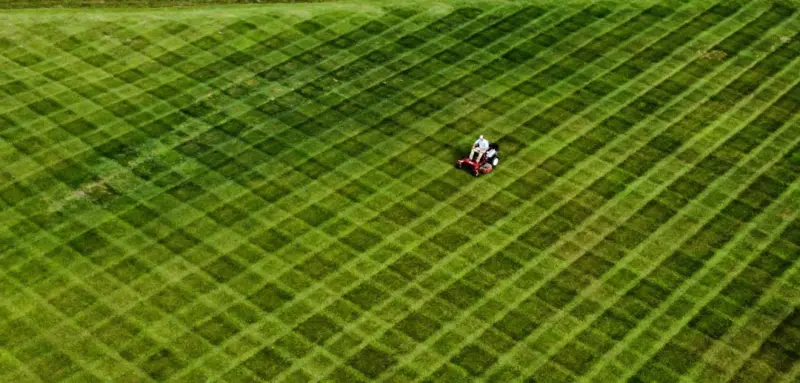
When I first stepped onto my grandmother’s patch of stubborn, sun‑baked grass, I realized that a lawn isn’t just a strip of green—it’s a living, breathing platform for storytelling, sustainability, and surprisingly, business insight. Over the past decade I’ve watched the lawn care industry evolve from a seasonal hustle into a year‑round, data‑driven discipline. In this post, I’ll share how you can transform an ordinary yard into a high‑impact asset, blending soil science, emerging technology, and a dash of creative thinking to make your lawn work harder for you.
1. Rethink the Soil Narrative
Most homeowners treat soil like an invisible backdrop, assuming any dirt will do. In reality, soil is the foundation of every healthy lawn and the most powerful lever you have for long‑term resilience. Start by conducting a simple, DIY soil test—you’ll need a handful of earth, a clean container, and a test kit that measures pH, nitrogen, phosphorus, and potassium. The numbers will tell you whether your lawn is ready to thrive or if it needs a nutritional makeover.
When you discover a pH that leans too acidic, consider a lime amendment; if it’s too alkaline, elemental sulfur can balance the scale. But the real magic happens when you integrate organic matter—think compost, mushroom mycelium, or even locally sourced biochar. These amendments improve water retention, encourage beneficial microbes, and create a micro‑ecosystem that reduces the need for chemical fertilizers.
2. Embrace Micro‑Irrigation & Weather‑Smart Scheduling
Water is the lifeblood of any lawn, yet over‑watering is a silent wasteful habit. Modern micro‑irrigation systems, equipped with moisture sensors and weather‑linked algorithms, can deliver water precisely where and when it’s needed. While many associate “smart” tech with indoor comforts, the same principles apply outdoors.
Take a cue from Smart Garage Doors: Turning Your Entryway into a Sustainable Power Hub. The article illustrates how integrating sensors and automation can convert a static structure into an active energy manager. Apply that mindset to your lawn: install a weather‑linked controller that pauses irrigation during rain forecasts and ramps up during droughts. The result? A greener lawn, a lower water bill, and a carbon‑friendly footprint.
3. Leverage Data for Seasonal Decision‑Making
Data isn’t just for CEOs. By tracking simple metrics—such as soil moisture, temperature, and growth rates—you can predict the optimal times for aeration, overseeding, and fertilization. Smartphone apps now let you log these observations and receive AI‑generated recommendations tailored to your micro‑climate.
Think of this as a personal “energy inspection” for your lawn. In the same way Energy Inspection Redefined: From Reactive Audits to Continuous Insight reimagines how facilities monitor power usage, you can set up continuous monitoring for your green space. The insight you gain transforms reactive fixes (like rescuing a brown patch) into proactive stewardship (preventing the problem before it starts).
4. The Aesthetic ROI of a Curated Lawn
Beyond health and sustainability, a well‑designed lawn can be a revenue‑generating asset. Consider the following:
- Outdoor Meetings & Events – A tidy, visually appealing lawn invites clients for informal brainstorming sessions, reinforcing brand personality.
- Seasonal Pop‑Up Stands – From farmer’s markets to product demos, a flexible lawn space can host pop‑ups that drive foot traffic.
- Photography & Content Creation – High‑resolution visuals of a pristine lawn improve marketing collateral, especially for businesses that pride themselves on sustainability.
By treating your lawn as a flexible “third place,” you create a tangible touchpoint that enhances customer experience and differentiates your brand in a crowded marketplace.
5. Integrate Native Plantings for Biodiversity
One of the fastest ways to lower maintenance while boosting ecological value is to weave native grasses and wildflowers into your lawn matrix. Native species are adapted to local soil and climate conditions, meaning they require less water, fertilizer, and pesticide intervention. Plus, they attract pollinators, beneficial insects, and birds—creating a mini‑ecosystem that naturally regulates pests.
Design a “biodiversity strip” along the perimeter of your lawn. This can be a low‑maintenance meadow that transitions from ornamental turf to native prairie. It not only adds visual interest but also serves as a carbon sink and a living demonstration of corporate responsibility.
6. Sustainable Mowing Practices
The conventional mower is a noisy, fuel‑guzzling beast. Switch to electric or battery‑powered models that emit zero tailpipe emissions. Many modern mowers also feature mulching blades that shred clippings into fine, nutrient‑rich mulch. Instead of bagging and disposing of the cut grass, let it decompose on the lawn—returning nitrogen and organic matter directly to the soil.
For larger properties, consider a robotic mower. These autonomous units follow a programmed grid, cutting at the optimal height (usually 2.5–3 inches) and returning to a charging dock when battery levels dip. The technology mirrors the convenience of a smart garage door system, delivering consistent results with minimal human oversight.
7. Seasonal Care Calendar—Your Lawn’s Year‑Round Playbook
To keep your lawn thriving, adopt a seasonal checklist that aligns with climate patterns and plant phenology. Here’s a simplified guide:
- Spring: Soil test, core aeration, overseeding, pre‑emergent herbicide application.
- Summer: Adjust irrigation based on real‑time moisture data, spot‑treat weeds, monitor for heat stress.
- Fall: Dethatch, apply slow‑release nitrogen fertilizer, overseed thin areas, prepare for winter dormancy.
- Winter: Limit foot traffic, keep equipment clean, plan next year’s improvements.
Pair this calendar with a digital reminder system—your phone or a dedicated lawn‑care app—to ensure nothing falls through the cracks.
8. The Business Case: Quantifying Lawn Value
Many CEOs overlook the quantifiable impact of a well‑maintained lawn. However, research shows that attractive landscaping can increase property value by up to 15%. Moreover, employee satisfaction rises when outdoor spaces are inviting, leading to reduced turnover and higher productivity.
To make the case internally, track key performance indicators (KPIs) such as:
- Reduction in water usage (gallons saved per month).
- Decrease in chemical fertilizer costs.
- Employee usage metrics of outdoor areas (survey data).
- Client engagement rates during outdoor meetings.
Present these metrics in a concise dashboard—think of it as a “lawn health report” that aligns green initiatives with bottom‑line results.
9. Future‑Proofing: Emerging Technologies on the Horizon
While today’s smart irrigation and soil sensors are game‑changers, the next wave includes:
- Drone‑Based Soil Scanning – High‑resolution aerial imagery can detect moisture deficits and pest hotspots before they become visible to the naked eye.
- AI‑Driven Predictive Modeling – Algorithms that factor in climate forecasts, historic growth patterns, and real‑time sensor data to suggest optimal care schedules.
- Biodegradable Sensor Networks – Tiny, soil‑embedded devices that dissolve after a season, eliminating electronic waste while delivering granular data.
Staying abreast of these innovations ensures your lawn remains a showcase of forward‑thinking stewardship, reinforcing your brand’s reputation as an early adopter.
10. Closing Thoughts: Your Lawn as a Living Brand Statement
In the same way a thoughtfully designed interior space speaks volumes about a company’s values, a meticulously cared‑for lawn can become a silent yet powerful ambassador. By marrying soil science, smart technology, and strategic design, you turn a patch of grass into a multi‑dimensional asset that supports sustainability, drives business outcomes, and nurtures community well‑being.
So, next time you step onto your lawn, don’t just see green—you’ll see data, opportunity, and a living testament to what happens when nature and technology collaborate harmoniously.

When it comes to the world of blogging and writing, Rose DesRochers is a name that stands out. Her passion for creating quality content and connecting with her audience has made her a trusted voice in the industry. Aside from her skills as a writer and blogger, Rose is also known for her compassionate nature.
Related Posts
The Hidden Power of Soil Microbiomes: A New Era for Lush Lawns
Learn how a healthy soil microbiome can transform your lawn into a self‑sustaining, drought‑tole... Read More
The Importance of Sustainable Lawn Care Practices
Sustainable lawn care practices are essential for promoting a healthy and resilient lawn while prote... Read More
The Future of Lawn Care: How Sustainable Practices Are Revolutionizing the Industry
Learn about the importance of sustainable lawn care practices and how to make your lawn care routine... Read More
Top Posts

Warmth Underfoot: Why Floor Heating is a Game-Changer for Home Comfort
Floor heating is a game-changer for home comfort, providing energy efficiency, even heat distribution, and low maintenance requirements. Learn why it's a smart ...Read More

Elevating Window Treatments: Smart, Sustainable, and Sensory Solutions for Modern Homes
Explore cutting‑edge window dressing strategies that blend technology, sustainability, and design, turning ordinary windows into health‑boosting, energy‑s...Read More

From Dust to Data: Making Carpet Cleaning a Strategic Asset
Clean carpets do more than look good—they act as a hidden health filter, reduce energy use, and can generate measurable ROI when integrated with sensor data, ...Read More
The Modern Garage Door: Smart, Sustainable, and Stylish
Explore the latest trends in garage doors—from smart connectivity and eco‑friendly materials to solar‑powered designs—that combine performance, safety, ...Read More
0 Comments
Post Comment
You will need to Login or Register to comment on this post!