

Redefining Window Treatments: From Simple Décor to Intelligent Home Assets
When most homeowners think about dressing a window, they picture curtains that match the sofa or blinds that keep the glare at bay, yet the truth is that modern window treatments have evolved into multifunctional systems that can boost energy performance, improve acoustic comfort, and even influence mental well‑being through carefully selected textures and colors; this shift is driven by advances in smart motorization, sustainable fabric engineering, and a deeper understanding of how light shapes our daily rhythms, turning what was once a purely aesthetic decision into a strategic component of holistic home design. By treating windows as dynamic portals rather than static frames, you unlock the ability to program morning sunrise simulations that gently coax your body clock, while simultaneously reducing reliance on heating and cooling through automated shading that responds to solar intensity. The result is a living environment that feels both curated and intuitively responsive, offering a subtle yet profound enhancement to comfort, productivity, and even the resale value of your property.
The Science of Light Management: How Smart Shades Shape Health and Productivity
Researchers increasingly recognize that exposure to natural light regulates circadian rhythms, influences mood, and can even sharpen cognitive function, meaning that the choice of window covering is no longer a decorative afterthought but a health‑centric decision; motorized shades equipped with light sensors can automatically adjust their tilt to maintain optimal luminance levels, ensuring that your home office receives enough daylight for focus without the harsh glare that leads to eye strain, while bedroom blinds can gradually lower in the evening to signal the brain that it’s time to wind down. Integrating these intelligent systems with popular voice assistants or home automation hubs allows for seamless routines—imagine a “good night” command that dims the lights, lowers the shades, and sets the thermostat, all without you lifting a finger. This convergence of technology and design not only simplifies daily habits but also creates a measurable impact on sleep quality, stress reduction, and overall wellness.
Acoustic Benefits: Softening Noise with Fabric and Form
In urban environments where traffic, construction, or neighborhood activity constantly intrude, window treatments can serve as an underappreciated line of defense against unwanted sound, especially when you select heavy‑weight drapes, layered panels, or acoustic‑grade blinds that absorb and diffuse noise frequencies before they enter the living space; the combination of dense fabrics, strategically placed pleats, and sound‑absorbing backing materials can reduce reverberation by up to 30 percent, turning a bustling street into a quieter sanctuary without the need for expensive window inserts or additional insulation. Moreover, the aesthetic flexibility of acoustic treatments means you can maintain a stylish interior while enjoying the practical advantage of a more serene atmosphere, whether you prefer sleek roller shades with a matte finish or plush floor‑to‑ceiling curtains that double as decorative statements. By thoughtfully integrating acoustic window solutions, you create a space where conversation flows naturally and the clamor of the outside world becomes a muted backdrop.
Sustainable Fabrics: Choosing Materials That Respect the Planet
As environmental consciousness permeates every facet of home design, the fabrics used in curtains and blinds are undergoing a green revolution, with manufacturers now offering textiles derived from organic cotton, bamboo, recycled polyester, and even hemp—all of which boast lower carbon footprints, reduced water usage, and the ability to be recycled at the end of their lifespan; selecting these sustainable options not only aligns your décor with eco‑friendly values but also often brings added benefits such as natural antimicrobial properties, resistance to mold, and enhanced durability that can outlast conventional synthetics. Pairing these materials with low‑impact dyes and water‑based printing techniques further minimizes the ecological toll, while still delivering a rich palette of colors and patterns that can be customized to reflect personal style. By opting for responsibly sourced window treatments, you contribute to a circular economy and set a precedent for mindful consumption that resonates throughout your home’s design narrative.
Color Psychology: Harnessing Hue to Influence Mood
The palette you choose for your curtains or blinds does more than complement your furniture; it can actively shape the emotional tone of a room, with studies showing that cool blues and greens foster calmness and concentration, while warm reds and oranges stimulate energy and social interaction, allowing homeowners to tailor each space to its intended purpose through a simple yet powerful design lever; for a home office, a muted teal drape can enhance focus, whereas a vibrant amber curtain in a family gathering area may encourage lively conversation. When layering colors, consider the interplay between the window treatment and natural light—sunlight can shift perceived hues throughout the day, creating dynamic environments that evolve with the seasons and keep interiors feeling fresh. By applying color theory deliberately, you transform window dressings into mood‑setting tools that support mental health and enhance the overall ambiance of your home.
Hybrid Solutions: Combining Sheer and Opacity for Versatile Light Control
Hybrid window treatments blend the best of both worlds by pairing sheer panels that gently filter daylight with blackout liners or adjustable slats that provide privacy on demand, offering a level of flexibility that single‑fabric solutions simply cannot match; this layered approach enables you to enjoy morning sunshine while preserving privacy during midday, and then effortlessly switch to full darkness for movie nights or restful sleep without the need to replace or add additional coverings. Modern designs often incorporate magnetic or clip‑on systems that allow for quick reconfiguration, making it easy for occupants to adapt to changing needs or seasonal shifts in light intensity. By embracing hybrid configurations, you not only maximize functional utility but also introduce a visual depth that adds sophistication to any window, turning a plain pane into a focal point that adapts gracefully throughout the day.
Integrating Window Treatments with Energy‑Efficiency Strategies
While many homeowners focus on insulation, HVAC upgrades, or sealing drafts to improve energy performance, window treatments represent an often‑overlooked yet highly effective lever for reducing heating and cooling loads; strategically selected shades or curtains can act as secondary glazing, trapping air and limiting heat transfer, especially when paired with reflective backs that bounce solar radiation during summer and retain warmth in winter. For those pursuing comprehensive green upgrades, referencing the Your Complete Energy‑Efficient Renovation Checklist can help you identify where smart window coverings fit into a broader plan, ensuring that each element works synergistically to lower utility bills and carbon emissions. By treating window dressings as an integral part of the building envelope, you unlock additional savings and create a more comfortable indoor climate without sacrificing style.
Smart Automation: Seamless Integration with Home Systems
The rise of IoT devices has turned traditional window coverings into programmable assets that can be orchestrated alongside lighting, thermostats, and security cameras, delivering a unified experience where a single app or voice command can adjust shades, dim lights, and set the desired temperature in harmony; such integration not only streamlines daily routines but also enhances security by automatically lowering blinds during vacation periods, creating the illusion of occupancy and deterring potential intruders. Compatibility with platforms like Apple HomeKit, Google Assistant, or Amazon Alexa ensures that your window treatments can evolve with emerging technologies, while scheduling features allow for sunrise simulations that gradually brighten the room to match natural light patterns, fostering a gentle waking experience. By embracing smart automation, you future‑proof your home and position window treatments as a cornerstone of a connected, responsive living environment.
DIY Personalization: Crafting Custom Treatments on a Budget
Even without a professional designer, homeowners can achieve a bespoke look by leveraging simple DIY techniques such as fabric dyeing, stenciling, or repurposing reclaimed materials, turning ordinary curtains into statement pieces that reflect personal taste while remaining cost‑effective; for instance, a thrifted set of plain linen panels can be hand‑painted with geometric motifs inspired by a favorite travel destination, or a set of old wooden blinds can be sanded and finished with a natural oil to showcase their grain and add warmth to a minimalist space. Pairing these handcrafted elements with the guidance found in From Drab to Dream: A DIY Guide to Restoring Your Favorite Furniture provides a roadmap for safe handling of tools, selection of appropriate hardware, and finishing techniques that ensure durability. By taking a hands‑on approach, you not only save money but also imbue your home with a unique character that mass‑produced options cannot replicate.
Future Trends: Biophilic Designs and Adaptive Materials
Looking ahead, window treatments are poised to become even more intertwined with nature-inspired design philosophies, as manufacturers experiment with biophilic fabrics that incorporate living moss, algae panels, or breathable membranes capable of regulating humidity, thereby creating micro‑climates that enhance indoor air quality while providing a visual connection to the outdoors; these adaptive materials respond to environmental cues, opening or closing pores to absorb excess moisture during humid days and releasing it when the air dries, contributing to a healthier living environment without the need for additional dehumidifiers. Coupled with the ongoing evolution of smart control algorithms, the next generation of window dressings will likely offer predictive adjustments based on weather forecasts, occupancy patterns, and even personal health data, delivering an unprecedented level of personalization. Embracing these innovations today positions you at the forefront of a design movement that values sustainability, wellbeing, and technological harmony, ensuring that your windows remain both functional and inspiring for years to come.

Craig Brett is a freelancer with a passion for the outdoors. His love for nature inspires his work, bringing authentic and engaging perspectives to projects related to outdoor activities, adventure, and environmental topics.
Related Posts
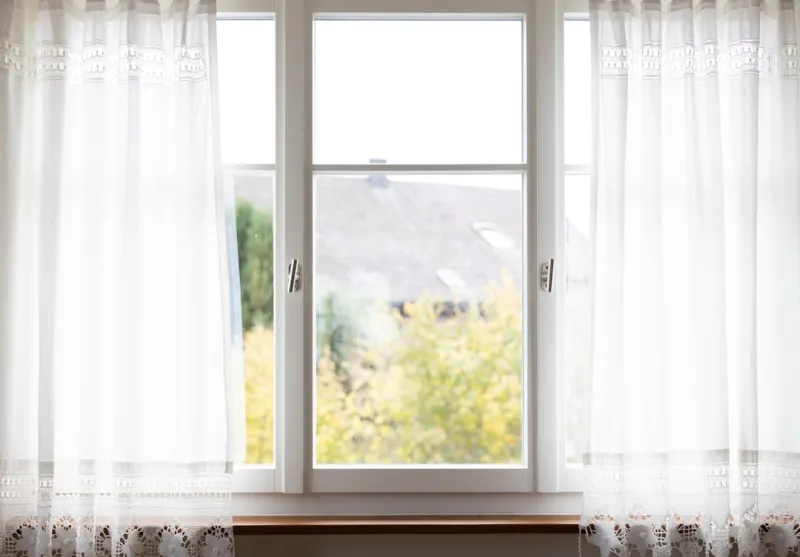
The Ultimate Guide to Window Treatments: Style, Function, and Energy Efficiency
Window treatments are a crucial aspect of home design, offering both style and function. Learn how t... Read More
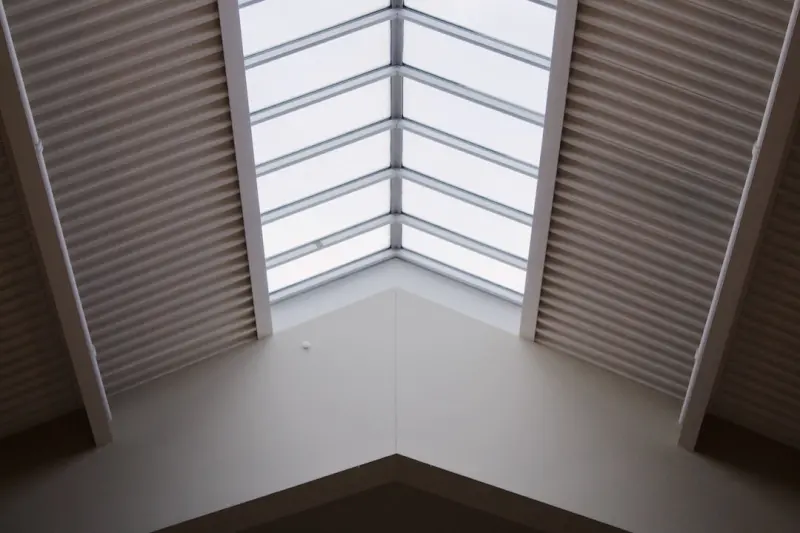
Living Light: Adaptive Window Treatments that Transform Modern Workspaces
A deep dive into the science and strategy behind adaptive window treatments, showing how dynamic fab... Read More
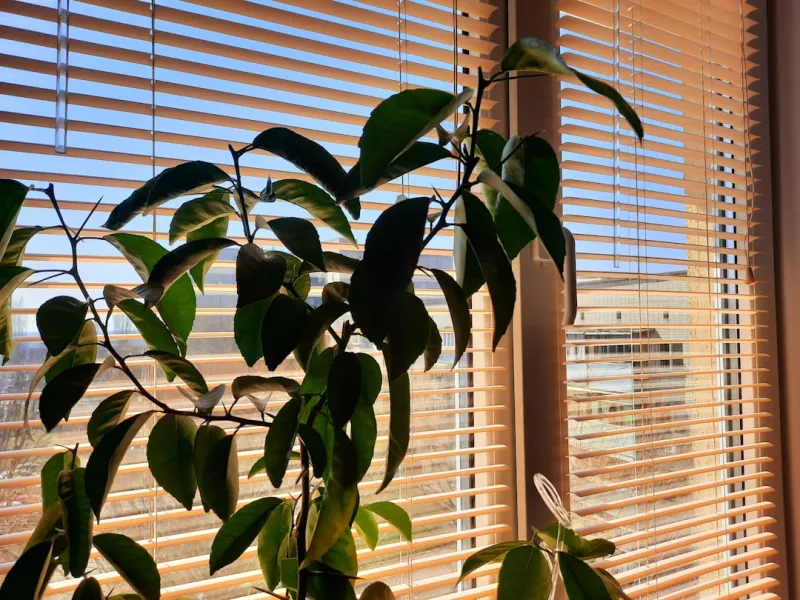
Embracing Sustainable Window Treatments for a Greener Future
Learn how sustainable window treatments can reduce energy consumption, improve indoor air quality, a... Read More
Top Posts

Revolutionizing Energy Inspection: A Human‑First, Data‑Driven Approach
A human‑first, data‑driven energy inspection framework turns traditional checklists into dynamic conversations, integrates edge sensors, occupancy analytics...Read More

Unlocking Energy Efficiency: The Critical Role of Energy Inspections in Modern Homes
Energy inspections play a vital role in ensuring that your home is energy-efficient, comfortable, and sustainable. Learn how these comprehensive evaluations can...Read More
The Future of Countertops: Sustainable Materials and Designs
Explore the world of sustainable countertops and learn how to create a greener home with eco-friendly materials and design principles....Read More
Thermal Energy Storage: The Quiet Powerhouse Behind Modern HVAC Efficiency
Thermal energy storage (TES) captures excess cooling or heating when utility rates are low and releases it during peak demand, delivering significant cost savin...Read More
0 Comments
Post Comment
You will need to Login or Register to comment on this post!