

When I first walked into a vacant loft with exposed brick and an open‑plan layout, the first thing that caught my eye wasn’t the high ceilings or the reclaimed wood floor—it was the humming chorus of unseen power. A modern building is no longer just a shell; it’s a living, breathing network of electrons that can either empower occupants or silently sabotage productivity. As someone who’s spent the better part of a decade juggling wiring diagrams, data dashboards, and a relentless curiosity for how electricity can be smarter, I’ve learned that the real magic happens when we treat electrical systems as strategic assets rather than background utilities.
From Reactive to Predictive: The Rise of Electrical IoT
Traditional electrical maintenance has always been reactive: a breaker trips, a fuse blows, and you scramble to restore power. This approach is akin to waiting for a fire alarm to ring before checking the smoke detectors. Today’s IoT‑enabled sensors change the narrative entirely. By embedding micro‑sensors into panels, conduit, and even within the fabric of smart lighting fixtures, we can collect granular data on voltage fluctuations, harmonic distortion, and load patterns in real time.
What does this data enable?
- Early anomaly detection: Spotting a subtle rise in temperature on a feeder line before it reaches a critical point can prevent costly outages.
- Dynamic load balancing: Algorithms can shift non‑essential loads (like decorative lighting) to off‑peak hours, smoothing demand spikes.
- Predictive component replacement: When a circuit breaker’s internal resistance trends upward, the system flags it for proactive swap, extending overall system life.
Imagine a dashboard that not only alerts you to a tripped breaker but also tells you why it tripped, predicts when the next event might occur, and suggests the optimal time for maintenance. That’s the power of an electrical digital twin—a virtual replica that mirrors the physical infrastructure and continuously learns from it.
Strategic Benefits for the Modern Workplace
Electrifying the office isn’t just about installing more outlets for laptops. It’s about aligning power with business objectives:
- Energy cost optimization: With granular load data, facilities managers can negotiate better demand‑response contracts and avoid peak‑charge penalties.
- Employee wellbeing: Consistent, flicker‑free lighting and stable power improve concentration and reduce eye strain, translating into measurable productivity gains.
- Resilience planning: In the face of grid instability, a well‑orchestrated electrical system can isolate critical circuits, ensuring that essential services stay online.
These advantages become especially pronounced in hybrid work environments where occupancy patterns are unpredictable. By integrating occupancy sensors with electrical controls, lighting and HVAC can adjust on the fly, delivering power precisely where it’s needed.
Case Study: A Mid‑Size Tech Firm’s Journey to Electrical Agility
One of my recent collaborations involved a mid‑size software development company that was grappling with frequent circuit overloads during sprint demos. Their legacy panels were overloaded, and the IT team was spending hours each week troubleshooting power issues.
We introduced a three‑phase approach:
- Sensor retrofitting: Low‑cost, wireless current transformers were installed on each major circuit.
- Data integration: The sensor feed was piped into their existing building management system, using smart insulation analytics as a reference model for interpreting thermal data.
- Automated load shedding: Custom scripts were written to temporarily dim non‑critical lighting and delay non‑essential backups during peak usage.
Within three months, the firm reported a 22% reduction in unexpected outages and a 15% decrease in their monthly electricity bill. Moreover, the IT staff reclaimed roughly 10 hours per month—time previously spent on frantic power troubleshooting.
Designing for Flexibility: Modular Electrical Architecture
Just as we champion modular furniture for adaptable interiors, the same philosophy applies to power distribution. Modular electrical architecture involves:
- Pre‑wired, plug‑and‑play distribution blocks: These blocks can be swapped or expanded without re‑trenching walls.
- Segmented micro‑grids: Each floor or department can operate as an independent grid, with its own renewable sources (like rooftop solar) and storage.
- Standardized communication protocols: Using open standards such as MQTT or OPC UA ensures that new devices can integrate seamlessly.
When a company decides to add a new collaborative space or a lab, they simply plug in a new module, update the software configuration, and the power network scales without a major overhaul.
Electrifying Sustainability: The Convergence of Power and Green Tech
Electricity is the bridge between sustainability goals and operational reality. By embedding renewable generation—whether it’s solar canopies over parking lots or kinetic floor tiles that harvest foot traffic—into the building’s electrical fabric, organizations can close the loop on carbon footprints.
One emerging trend is the use of vehicle‑to‑building (V2B) technology. As electric vehicle adoption soars, parked EVs become on‑site energy reservoirs. Smart chargers can discharge stored battery power back into the building during peak demand, effectively turning a fleet of cars into a distributed storage system.
Coupling V2B with predictive analytics allows facilities managers to schedule vehicle charging when renewable generation peaks, then draw from the fleet during grid strain periods. This not only reduces reliance on the grid but also maximizes the economic return on the EV fleet.
Integrating Electrical Insights with Other Building Systems
Electrical data doesn’t exist in a vacuum. The most compelling stories emerge when you cross‑reference power metrics with other building datasets. For instance, linking breaker load trends with HVAC performance can reveal inefficiencies where heating or cooling is over‑compensating for electrical load spikes.
In another project, we paired electrical consumption patterns with plumbing analytics to uncover a correlation between high‑temperature water usage and increased demand on the building’s power grid. By adjusting water heating schedules, we shaved off unnecessary kilowatt‑hours.
Future‑Proofing: Preparing for the 400‑Volt Revolution
As data centers and AI workloads expand, the demand for higher voltage distribution (400V and beyond) is accelerating. While higher voltages can improve efficiency by reducing current (and thus I²R losses), they also raise safety and compliance stakes.
Key steps to safely adopt higher voltage systems include:
- Comprehensive risk assessments: Evaluate fire suppression, clearance, and grounding requirements.
- Staff training: Ensure that electricians and maintenance crews are certified for high‑voltage work.
- Layered protection: Deploy arc‑fault circuit interrupters (AFCIs) and surge protective devices (SPDs) designed for higher voltage thresholds.
When done correctly, the transition unlocks the ability to power high‑density compute racks and emerging technologies like edge AI without over‑taxing the existing infrastructure.
Practical Tips for Building Leaders Ready to Upgrade Their Electrical Strategy
Whether you’re a facilities manager, an office designer, or an executive championing digital transformation, here are five actionable steps to start treating electricity as a strategic asset:
- Audit the current electrical landscape: Map out all panels, circuits, and load centers. Identify single points of failure.
- Invest in IoT‑ready sensors: Prioritize high‑risk areas such as data rooms, labs, and conference halls.
- Integrate with existing BMS platforms: Use open APIs to pull electrical data into your broader building analytics.
- Develop a predictive maintenance schedule: Leverage analytics to forecast component wear and plan replacements before failure.
- Educate stakeholders: Share dashboards with leadership to demonstrate cost savings, resilience, and sustainability impact.
By embedding these practices into your operational DNA, you’ll shift from a mindset of “fix it when it breaks” to “optimize it before it even thinks about breaking.”
Conclusion: Powering the Next Wave of Intelligent Workspaces
The electrical system is the nervous system of any modern building. Just as our bodies rely on precise signaling to function, structures need clean, reliable, and intelligently managed power to thrive. Embracing IoT, modular design, and cross‑system analytics transforms electricity from a background service into a proactive driver of efficiency, resilience, and sustainability.
If you’re ready to reimagine your building’s electrical backbone, start by listening to the data it’s already sending you. The conversation may be quiet, but the insights are anything but.

When it comes to the world of blogging and writing, Rose DesRochers is a name that stands out. Her passion for creating quality content and connecting with her audience has made her a trusted voice in the industry. Aside from her skills as a writer and blogger, Rose is also known for her compassionate nature.
Related Posts

The Future of Electrical Systems: Trends, Innovations, and Best Practices
The electrical industry is on the cusp of a revolution. Learn about the latest trends, innovations, ... Read More
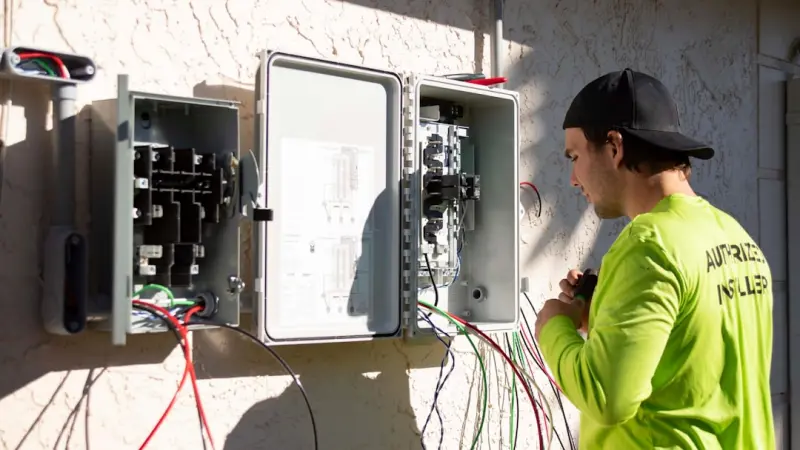
Modular Electrical Distribution: Building Agile Power for Modern Workplaces
A deep dive into modular electrical distribution, exploring its components, benefits, real‑world a... Read More
Electrifying the Future: How Dynamic Power Distribution Is Redefining Modern Workspaces
Dynamic power distribution replaces static circuits with modular, AI‑driven hubs, delivering realâ... Read More
Top Posts

Quiet Homes: Mastering Acoustic Comfort in Modern Construction
Learn the art of acoustic comfort—strategies for sound‑proof walls, flooring, and design choices that turn a bustling house into a tranquil retreat....Read More

Unlocking the Hidden Microbial Symphony of Your Lawn
Learn why the soil microbiome is your lawn’s secret weapon and get a step‑by‑step plan to nurture it, cutting fertilizer, water, and pesticide needs while...Read More

Connected Fencing: How IoT Redefines Perimeter Management for Modern Enterprises
A fence is no longer just a barrier. Learn how connected fencing leverages sensors, solar power, and AI to deliver security, sustainability, and data-driven ins...Read More

The Often-Overlooked Heroes of Home Maintenance: Gutters
Gutters play a vital role in keeping your home safe and secure, but they're often neglected until it's too late. Learn how to maintain your gutters and why they...Read More
0 Comments
Post Comment
You will need to Login or Register to comment on this post!