
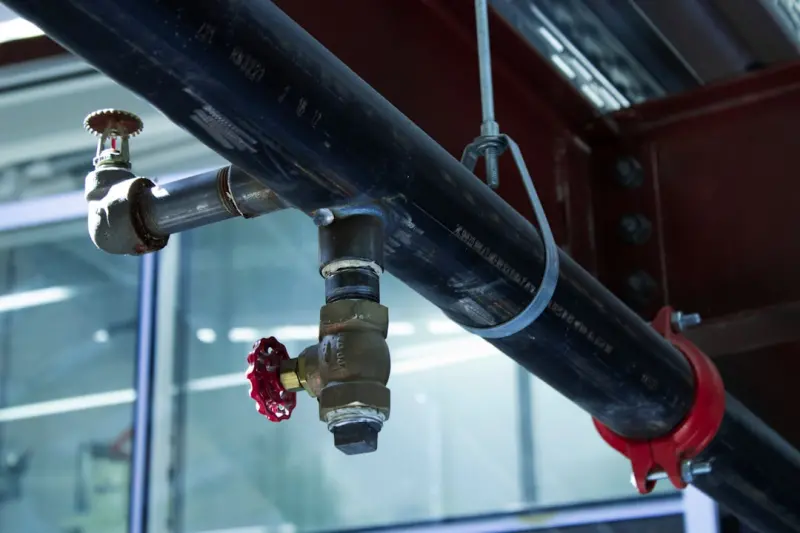
When Pipes Talk: Turning Plumbing Data Into Business Intelligence
Most facility managers still think of plumbing as a silent, behind‑the‑scenes service that only matters when something bursts. That mindset is about to change. With the rise of low‑power sensors, edge analytics, and cloud‑based dashboards, every pipe, valve, and water meter can become a data‑rich endpoint. In my two‑decades of hands‑on work in commercial building maintenance, I’ve watched the industry evolve from reactive wrench‑turning to proactive, data‑driven stewardship. This article dives into how you can harness that transformation, why it matters for your bottom line, and the practical steps to get started without breaking the bank.
Why Plumbing Data Is the New Gold Mine
Imagine a typical office tower with dozens of water‑intensive zones: kitchens, restrooms, cooling towers, irrigation loops, and even fire suppression systems. Each of these subsystems consumes millions of gallons annually, and each leak or inefficiency can cost thousands in water bills, fines, or downtime. Yet, most building owners only notice problems after they’ve already caused damage.
IoT‑enabled flow meters, pressure transducers, and acoustic leak detectors have become small enough to mount on existing infrastructure without major retrofits. When these devices stream data to a central platform, you gain a continuous, granular view of water usage patterns, pressure anomalies, and temperature fluctuations. That information is not just for troubleshooting; it’s a strategic asset that can:
- Identify hidden waste. Small drips that go unnoticed can add up to thousands of gallons a year.
- Predict equipment failure. Sudden pressure spikes often precede a pump or valve malfunction.
- Inform design decisions. Usage trends reveal which zones need upgrades or downsizing.
- Enhance sustainability reporting. Real‑time data makes it easy to certify green building standards.
In short, plumbing data turns a cost center into a source of actionable intelligence.
From Sensors to Insights: The Technology Stack
The journey from a lone flow sensor to an enterprise‑wide analytics platform involves three layers:
- Edge devices. Low‑power sensors that measure flow, pressure, temperature, and acoustic signatures. Look for models with Smart Carpet Cleaning‑grade reliability—meaning they can operate for years on a single battery and survive harsh environments.
- Connectivity hub. A gateway that aggregates sensor data, performs basic filtering, and pushes it to the cloud over LTE, LoRaWAN, or wired Ethernet.
- Analytics platform. Cloud services that store time‑series data, run anomaly detection algorithms, and surface insights through dashboards or API feeds.
Most vendors now offer turnkey bundles, but the key is to choose open, interoperable standards (like MQTT and REST). That way, you avoid vendor lock‑in and can integrate plumbing data with other building systems—HVAC, lighting, and even The Hidden Power of Clean Ductwork platforms—creating a holistic view of building health.
Real‑World Benefits: Case Studies That Speak Volumes
Case Study 1: Retail Complex Reduces Water Waste by 18%
A 300,000‑sq‑ft shopping center installed ultrasonic flow meters on every restroom branch line. The analytics platform flagged a subtle increase in flow during night hours—a sign of a slow‑drip faucet in an unused restroom. After a quick repair, the center saved roughly 12,000 gallons per month, translating to a $1,500 reduction in water costs each month.
Case Study 2: Data Center Avoids Catastrophic Pump Failure
In a high‑density data center, pressure sensors on the chilled‑water loop detected a gradual pressure drop over two weeks. The analytics engine classified the trend as “high‑risk” and alerted the facilities team. A pre‑emptive pump inspection uncovered a bearing wear issue that would have caused a complete shutdown if left unchecked, saving the client millions in potential downtime.
These stories illustrate the power of moving from “reactive fixes” to “predictive stewardship.” The ROI often materializes within the first year, thanks to lower utility bills, avoided emergency repairs, and extended equipment life.
Getting Started: A Step‑by‑Step Playbook
1. Audit Your Existing Plumbing Network. Map out all water‑carrying components, noting critical assets like pumps, expansion tanks, and fire suppression lines.
2. Select Pilot Zones. Choose high‑impact areas—typically restrooms and cooling towers—for initial sensor deployment. This keeps costs manageable while delivering visible results quickly.
3. Choose the Right Sensors. Look for devices with proven durability, low maintenance, and secure communications. Prioritize those that support over‑the‑air firmware updates.
4. Integrate with a Cloud Platform. Use a service that offers out‑of‑the‑box dashboards, alerting, and API access. Many platforms also provide pre‑built connectors for popular building‑management systems.
5. Define Alert Thresholds. Work with your maintenance team to set realistic pressure and flow thresholds that trigger alerts without causing alert fatigue.
6. Train Your Staff. Ensure the facilities crew can interpret dashboards, acknowledge alerts, and perform root‑cause analysis.
7. Iterate and Expand. As you gather data, refine your models, add more sensors, and start linking plumbing insights with other building systems for cross‑disciplinary optimization.
Overcoming Common Hurdles
Budget Constraints. While the upfront cost of sensors and connectivity can be a concern, consider the payback timeline based on water savings and avoided repairs. Many vendors offer financing or subscription models that turn CAPEX into OPEX.
Data Overload. Not every data point is useful. Start with a small set of key performance indicators (KPIs)—total water consumption, pressure variance, and leak detection alerts—and expand as you mature.
Security Risks. Any networked device introduces a potential attack surface. Choose devices that support encryption (TLS) and have regular security patches. Conduct a penetration test before full deployment.
Change Management. Shifting from a “fix‑it‑when‑it‑breaks” culture to a data‑driven approach requires leadership buy‑in and clear communication about the benefits.
The Future: From Reactive Plumbing to Smart Water Ecosystems
The next wave will see plumbing systems not only reporting data but also acting autonomously. Imagine a valve that automatically shuts off a leak the moment an acoustic sensor detects a sudden pressure drop, or a pump that self‑optimizes its speed based on real‑time demand to reduce energy use. These capabilities will be powered by AI models trained on the massive datasets we’re beginning to collect.
Moreover, as municipalities move toward water‑use regulations and dynamic pricing, having a real‑time view of consumption will become a compliance necessity. Buildings that already have a robust plumbing telemetry infrastructure will be ahead of the curve, able to adapt quickly to new tariffs or conservation mandates.
Finally, consider the synergy with other “smart” building initiatives. When your clean ductwork sensors report low humidity, your plumbing system can adjust irrigation schedules to maintain optimal landscaping without overwatering. This kind of cross‑system intelligence is where true facility optimization lives.
Conclusion: Embrace the Conversation
Plumbing is no longer a silent background service. It’s a conversation waiting to happen—between pipes, sensors, and the people who manage them. By turning those quiet streams into data streams, you unlock a new layer of operational insight, cost savings, and sustainability. The technology is mature, the ROI is proven, and the competitive advantage is clear. The question isn’t “if” you should adopt smart plumbing; it’s “how soon” you’ll let your pipes start talking.

Paul Gray is a dynamic blogger based in Brampton, where he shares his life with his amazing wife, Sarah. Known for his engaging writing style and relatable insights, Paul has carved out a niche in the blogging world that resonates with readers from all walks of life. When he's not crafting captivating posts, you can find him savoring a cold beer or indulging in the latest blockbuster movie. With a friendly demeanor and a passion for storytelling, Paul brings a unique perspective to his work, making him not just a blogger, but a voice for those who appreciate the simple joys of life.
Related Posts
The Importance of Regular Plumbing Maintenance
Regular plumbing maintenance is crucial for homeowners to prevent costly repairs, ensure efficient w... Read More

Avoid Common Pitfalls with Plumbing Emergencies - When to call a professional
Plumbing emergencies can quickly spiral into expensive disasters if not handled correctly. Learn how... Read More

Transforming Pipes into Profit: Leveraging Modern Plumbing for Business Growth
By re‑imagining water networks as strategic assets, building owners can cut waste, improve tenant ... Read More
Top Posts

Seasonal Plumbing Checkups: The Proactive Homeowner’s Secret to Leak‑Free Living
A practical guide to seasonal plumbing maintenance, offering checklists, early warning signs, and smart integration tips to keep your pipes leak‑free and your...Read More

The Home Inspector’s Hidden Checklist: Spotting Issues Before They Cost You
Learn how to uncover hidden home inspection pitfalls, from moisture intrusion to electrical safety, and turn findings into a clear, actionable repair plan....Read More

Why Emotional Intelligence Is the Next Frontier for Home Alarm Systems
Home alarm systems are evolving from loud, reactive devices to empathetic, context‑aware allies. Discover how AI, behavioral analytics, and privacy‑first de...Read More

Reimagining Masonry: Smart, Sustainable, and Resilient
Discover how to combine age‑old brickcraft with modern sensors, breathable insulation, and AI-driven insights to create buildings that are both historic and f...Read More
0 Comments
Post Comment
You will need to Login or Register to comment on this post!