
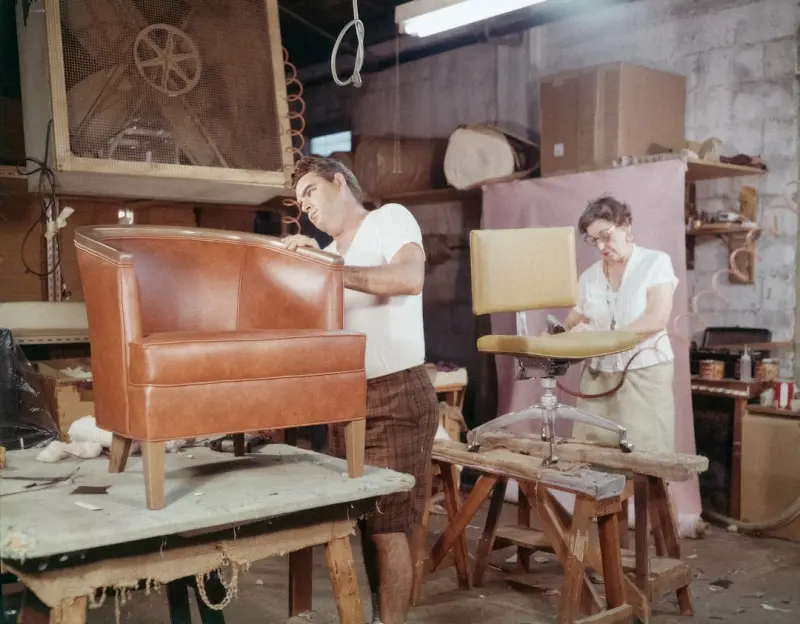
Why Restoring Furniture Has Become My Everyday Adventure
When I first pulled a cracked mahogany sideboard from the attic, I felt a rush of curiosity mixed with the familiar dread of a project that could easily spiral out of control; instead of discarding it, I saw a canvas begging for a second chance, and that moment sparked the habit of treating every worn piece as a story waiting to be retold. Restoring furniture isn’t just about polishing wood or swapping out knobs—it’s a deliberate act of sustainability that reduces landfill waste while preserving the craftsmanship of eras that mass‑produced flat‑pack items could never replicate, and that philosophy guides every decision I make in my workshop. Over the years I’ve learned that the true reward lies not in the final shine but in the tactile satisfaction of feeling a reclaimed grain under my fingertips, a reminder that patience and intention can transform a neglected relic into a centerpiece that sparks conversation at dinner parties.
My mindset shifted dramatically after a weekend spent rummaging through a thrift store, where a mismatched set of vintage chairs whispered possibilities rather than deficiencies, and I realized that the prevailing “throw it away” culture had blinded me to the hidden potential in everyday objects; this epiphany led me to adopt a habit of asking, “What could this become?” before I ever considered a purchase. By embracing upcycling as a creative discipline, I’ve discovered that each scratch, dent, or faded finish is an opportunity to layer new techniques, textures, and personal flair, turning the restoration process into a form of artistic expression that aligns with my love for eco‑friendly living. The more I experiment, the more I appreciate that the journey from drab to dream is as rewarding as the finished piece, and that mindset fuels every project I undertake.
Before I even touch a piece, I dedicate a corner of my garage to a permanent workstation that balances safety, efficiency, and inspiration, because a well‑organized space reduces frustration and keeps the creative flow uninterrupted; I line the floor with heavy‑duty drop cloths, install a sturdy workbench with a built‑in vise, and keep a ventilated area for chemical stripping, ensuring that dust and fumes never linger longer than necessary. My essential toolkit now includes a variable‑speed rotary sander, a set of high‑grade sandpapers ranging from coarse 60 grit to fine 220 grit, a selection of brass and stainless steel brad nails for delicate repairs, and a reliable set of clamps that hold joints steady while glue cures. Safety gear—dust masks, ear protection, and cut‑resistant gloves—has become non‑negotiable, turning what could be a hazardous hobby into a disciplined craft that respects both the material and the maker.
Every restoration begins with a thorough assessment, a diagnostic phase where I treat the piece like a patient, cataloging structural weaknesses, surface imperfections, and hidden damage that may not be immediately visible; I run my fingers along seams, press lightly on joints, and use a bright flashlight to expose hairline cracks that could compromise stability if left untreated. By separating issues into structural (loose mortise‑and‑tenon joints, compromised legs) and cosmetic (stains, surface wear), I can prioritize repairs that extend the piece’s lifespan before diving into aesthetic enhancements, and this systematic approach prevents costly rework later on. I also document my findings with photos and notes, creating a roadmap that guides each step from stripping to finishing, ensuring that I stay focused and that the final outcome reflects both the original integrity and my envisioned transformation.
Stripping the old finish is both an art and a science, requiring patience to avoid stripping away the wood’s natural character while eliminating layers of paint, varnish, or lacquer that hide its true grain; I favor low‑VOC chemical strippers that dissolve coatings without saturating the wood, applying them with a brush and allowing the product to work its magic before gently scraping with a plastic putty knife. When the chemical route reaches its limits, I transition to mechanical methods, using a rotary sander equipped with a medium‑grit disc to smooth the surface without creating deep gouges, followed by a hand‑held orbital sander for corners and intricate details. After the bulk of the old finish is removed, I meticulously sand the piece with progressively finer grits—80, 120, then 180—to achieve a uniformly smooth canvas, then wipe down with a tack cloth to eliminate dust, leaving the wood ready to accept whatever finish I choose next.
Choosing the right finish is where personality meets protection, and my decisions hinge on the piece’s intended use, the desired sheen, and the level of durability required; for a dining table that will see daily meals, I often opt for a penetrating oil finish that enhances the wood’s natural depth while providing a food‑safe barrier, whereas a decorative sideboard might benefit from a high‑gloss polyurethane that adds a modern sheen and resists scratches. When color is essential, I turn to choosing the right paint finish, selecting water‑based acrylics that dry quickly and emit fewer odors, and I always test a small swatch to ensure the hue complements the surrounding décor. The final coating is applied in thin, even layers with a high‑quality brush or a foam roller, allowing each coat to dry fully before lightly sanding with a fine‑grain paper to achieve a silky‑smooth surface that invites touch and admiration.
Repairing joints and hardware often feels like a delicate dance between preservation and innovation, as I strive to maintain the piece’s original character while integrating modern strength; loose mortise‑and‑tenon connections are reinforced with food‑grade wood glue, clamped tightly until the adhesive cures, and I sometimes insert discreet dowels or biscuits to add extra stability without altering the visual profile. Hardware such as drawer pulls, knobs, and hinges can either be restored with rust removers and a fresh coat of oil or replaced with vintage‑style replicas that honor the era of the furniture; I enjoy the tactile pleasure of polishing brass handles until they regain their historic luster, a process that often involves a gentle abrasive pad followed by a polishing compound. When original hardware is beyond repair, I source reclaimed pieces from architectural salvage yards, ensuring that each new component tells its own story while fitting seamlessly into the revived design.
Beyond simple restoration, I love exploring creative upcycling pathways that repurpose furniture for entirely new functions, turning a dated dresser into a chic media console by adding floating shelves and concealed cable management, or converting an old crib into a stylish pet bed lined with washable fabric for a whimsical touch; these projects let me experiment with mixed materials—metal brackets, reclaimed glass, and reclaimed wood veneers—while staying true to the piece’s heritage, and each transformation reinforces the idea that nothing truly valuable is ever wasted. I also incorporate personalized details, such as stenciled motifs, hand‑painted accents, or inlaid mother‑of‑pearl, to make each piece a one‑of‑a‑kind statement that reflects my aesthetic and the homeowner’s lifestyle. By sharing these inventive ideas on social media and within my workshop community, I’ve inspired fellow DIYers to think beyond conventional repairs and imagine broader possibilities for the furniture they inherit.
The payoff of thoughtful restoration extends far beyond the visual appeal; a well‑executed project can increase a piece’s market value, offering a modest financial return that often covers the cost of materials and time, while the emotional satisfaction of preserving family heirlooms or rescuing a forgotten gem adds an intangible wealth that fuels future creativity. I frequently reference restoring original wood surfaces to illustrate how meticulous preparation, proper finishing, and respect for the material’s history can elevate both aesthetics and durability, a principle that applies equally to any furniture piece. As I continue to document my journeys—complete with before‑and‑after photos, material lists, and step‑by‑step guides—I hope to encourage others to view restoration not as a chore but as a rewarding practice that merges sustainability, craftsmanship, and personal expression into a single, gratifying experience.

Kelly Reynolds is a dynamic freelance writer hailing from the picturesque landscapes of Alberta. A master of the written word, she juggles her passion for storytelling with the exhilarating chaos of being a mother to five spirited children. With an impressive portfolio that spans various genres, Kelly captivates readers through her engaging blog posts and thought-provoking articles.
Related Posts
From Dusty Attic Finds to Centerpiece Statements: A Modern Guide to Furniture Restoration
Explore a fresh approach to furniture restoration that blends traditional craft with low‑tech tool... Read More

Data‑Driven Furniture Restoration: Turning Tradition into Tech‑Powered Upcycling
Discover how leveraging data, 3‑D scanning, and smart finishes can transform traditional furniture... Read More

Breathing New Life Into Old Furniture: A Craftsman’s Journey
A seasoned craftsman shares his step‑by‑step process for breathing new life into heirloom furnit... Read More
Top Posts

Beyond the View: Turning Sunrooms into High‑Performance Remote‑Work Studios
Turn your sunroom into a high‑performance remote‑work studio. Learn design strategies, smart tech integration, acoustic solutions, and maintenance tips to b...Read More

The Intersection of Lawn Care and Sustainable Living
Learn how to adopt sustainable lawn care practices that promote environmental sustainability and create a beautiful outdoor space. Get tips on eco-friendly prod...Read More

Concrete as a Design Powerhouse: From Slabs to Sustainable Statements
Discover the hidden potential of concrete—from eco‑friendly mixes and stunning finishes to DIY projects and future tech—turning ordinary slabs into design...Read More

Elevating Commercial Spaces with Wallpaper
Wallpaper is no longer just a decorative finish; it offers acoustic dampening, thermal regulation, brand storytelling, and embedded technology, making it a stra...Read More
0 Comments
Post Comment
You will need to Login or Register to comment on this post!