
Introduction
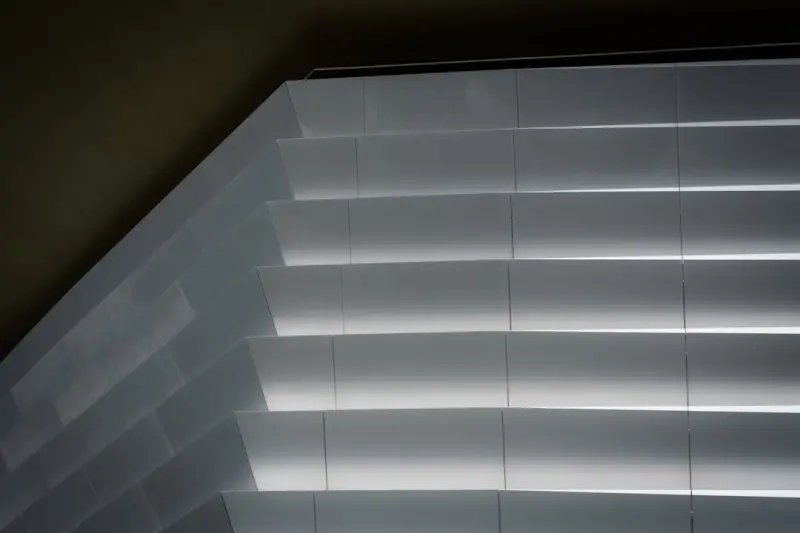
When you step into a room, the first thing you notice—often before the furniture or paint—is how the light dances across the space, and that choreography is dictated by the window treatment you choose. I’ve spent countless evenings testing fabrics, sheers, and blinds, learning that the true power of a window lies not in a single curtain rod but in a thoughtful layering system that balances privacy, light, and style. Layered window treatments turn ordinary panes into dynamic design tools, capable of shifting mood with the sunrise and protecting your interiors from harsh afternoon glare.
Why Layering Works
Layering isn’t just an aesthetic flourish; it’s a functional strategy that lets you modulate illumination, insulation, and acoustic performance without compromising on décor. By combining sheer panels with blackout curtains and decorative drapes, you create a cascade of filters that can be adjusted independently, offering nuanced control that a single treatment simply cannot match. This modularity also future‑proofs your interiors, allowing you to adapt to changing seasons, evolving tastes, or new technology without a full redesign.
Materials and Textures
The heart of any layered system is the material palette, and here the choices are as diverse as a painter’s palette—lightweight organza, heavyweight linen, bamboo blinds, and even reclaimed wood shutters. I’ve found that pairing a soft, translucent voile with a dense, thermally‑insulated blackout provides both visual softness and energy‑saving heft, while a third decorative layer—perhaps a patterned damask—adds personality and depth. Selecting fabrics with natural fibers not only enhances breathability but also contributes to indoor air quality, an often‑overlooked benefit in home design.
Seasonal Strategies
Seasonal adaptation is where layered window treatments truly shine, letting you respond to the sun’s angle and temperature swings without pulling out the toolbox. In winter, I favor a heavy drape behind a light sheer, trapping heat while still admitting a gentle glow; in summer, a reflective solar blind can be drawn over a sheer to deflect UV rays and keep interiors cool. For those looking to blend technology, smart lighting hacks can be synchronized with motorized blinds, automating the shift between layers at sunrise and sunset.
Integrating Technology
Modern homes increasingly embrace automation, and window treatments are no exception; motorized tracks, wireless dimmers, and voice‑controlled shades now integrate seamlessly with popular smart hubs. I personally use a schedule that lowers blackout curtains at dusk while raising sheer panels at dawn, creating a gentle wake‑up routine that feels almost organic. Pairing these systems with home office oasis lighting setups ensures that your work environment maintains optimal glare control without sacrificing natural ambience.
Acoustic Benefits
Beyond light, layered window treatments act as a silent guardian against outside noise, a feature especially valuable in bustling urban settings. Heavy fabrics and densely woven blinds absorb sound waves, reducing echo and creating a calmer interior soundscape. Adding a middle layer of acoustic‑grade panels—often made from recycled polyester—can boost this effect dramatically, turning a noisy street view into a peaceful backdrop for reading or conversation.
Energy Efficiency
Energy savings are a tangible byproduct of thoughtful layering; each layer adds an insulating barrier that slows heat transfer, reducing reliance on HVAC systems. A sheer panel lets in daylight while a secondary thermal blackout curtain traps warmth during chilly mornings, and a final exterior shade reflects solar heat in the peak of summer. Over a year, homeowners report noticeable reductions in heating and cooling bills, making layered treatments a cost‑effective upgrade that also aligns with sustainable living principles.
Budget‑Friendly Options
You don’t need a designer budget to achieve a layered look; strategic sourcing and DIY installation can keep costs low while delivering high impact. Thrifted fabrics, off‑the‑shelf roller blinds, and simple tension rods combine to form a versatile system that can be swapped or upgraded over time. I’ve helped clients repurpose vintage scarves as decorative sheers, pairing them with inexpensive blackout liners sold at big‑box stores—a hack that delivers both style and function without breaking the bank.
Installation Tips
Successful layering starts with precise measurement and a clear hierarchy of layers; the outermost element should be the heaviest, with lighter fabrics positioned closer to the glass. Use a sturdy mounting bracket for blackout curtains to bear the weight, and install tension rods for sheers to keep them easily adjustable. I recommend labeling each component during installation, which simplifies future adjustments and ensures that every layer slides smoothly over the next.
Maintenance & Longevity
Maintaining layered treatments is straightforward when you treat each layer according to its material: gentle hand‑washing for delicate sheers, regular vacuuming for heavy drapes, and occasional dusting of blinds to keep mechanisms running smoothly. Spot‑cleaning stains promptly prevents set‑in discoloration, and rotating the position of curtains every few months ensures even wear. With proper care, a well‑designed layered system can outlast a single‑purpose treatment, offering years of aesthetic and functional benefit.
Final Thoughts
Layered window treatments are a quiet revolution in interior design, offering a blend of artistry, technology, and performance that transforms how we experience light and space. By embracing a mix of materials, seasonal strategies, and smart automation, you can craft windows that respond to your lifestyle, enhance comfort, and contribute to energy savings—all while expressing personal style. The next time you look at a bare pane, imagine the possibilities of layers waiting to be unveiled, and let your windows become the most expressive feature of your home.

David MacKinnon is a dynamic freelance writer known for his captivating storytelling and keen insights into the world of technology. With a passion for exploring the intersection of innovation and everyday life, he crafts engaging narratives that not only inform but also inspire his readers.
Related Posts
Adaptive Window Treatments: Merging Comfort, Data, and Brand Identity
Window treatments are evolving into strategic assets that combine data analytics, acoustic performan... Read More

Window Treatments That Work: A Veteran Contractor’s Guide to Sustainable Style
Tom Ferguson shares insider tips on choosing, installing, and maintaining sustainable window treatme... Read More
Sustainable Window Treatments: Style Meets Eco‑Efficiency
Explore the art of eco‑friendly window treatments that blend design, smart tech, and sustainabilit... Read More
Top Posts
Reimagining Sheds and Gazebos as Creative Outdoor Outposts
Explore how to convert ordinary sheds and gazebos into multi‑purpose outdoor outposts for work, wellness, and community, with step‑by‑step guidance on lay...Read More

The Intersection of Lawn Care and Sustainable Home Design
As a homeowner, maintaining a lush and vibrant lawn can be a point of pride. However, traditional lawn care practices can have a significant impact on the envir...Read More
Designing Window Treatments That Shape Light, Mood, and Comfort
Explore the art of layering, fabric selection, color psychology, and hardware choices to create window treatments that control light, boost acoustics, and perso...Read More
Mold Removal for Renters: A Practical Guide to Spot, Stop, and Safeguard Your Space
A renter’s step‑by‑step guide to spotting mold, safely removing it, and preventing future growth—plus legal tips and budget‑friendly tools....Read More
0 Comments
Post Comment
You will need to Login or Register to comment on this post!