
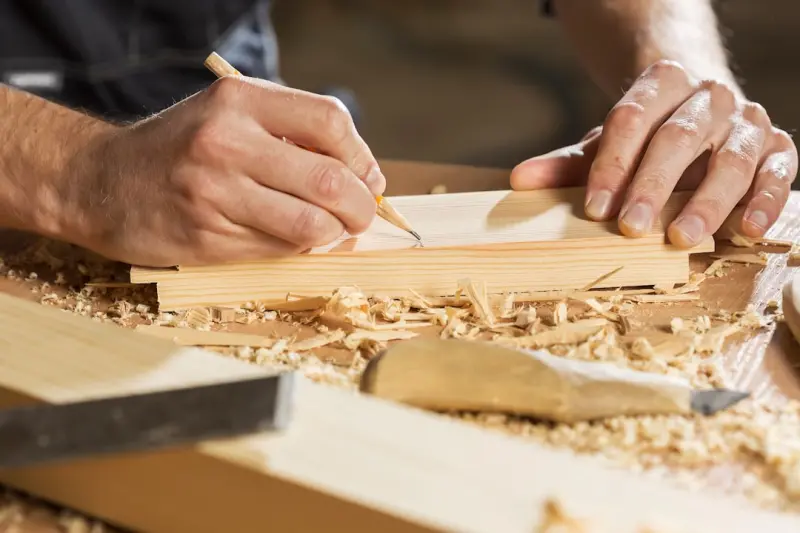
Why Woodworking Needs a Digital Upgrade
For decades, the scent of fresh‑cut timber, the rhythm of a handsaw, and the tactile feedback of a dovetail joint have defined the craft of woodworking. Yet the modern maker’s workshop is no longer a lone cabin in the woods; it’s a hybrid space where traditional hand tools coexist with laser‑cutting tables, augmented‑reality (AR) headsets, and cloud‑based design libraries. This convergence isn’t a gimmick—it’s a response to three pressing forces: the demand for tighter tolerances, the push for sustainable material use, and the desire to democratize high‑quality craftsmanship.
From Sketchpad to Screen: The Rise of Parametric Design
Parametric design lets you define a piece of furniture not by a static drawing but by a set of rules—material thickness, joinery type, ergonomic dimensions, even the grain direction. By adjusting a single variable, the entire model recalculates, instantly showing you how a deeper drawer or a wider leg will affect the final piece. Software platforms like Fusion 360 or SketchUp now offer woodworking‑specific libraries, letting you drop in standard tenons, mortises, or finger joints with a click.
What this means for the bench‑top is profound: you spend less time redrawing and more time testing. The iterative loop shrinks from days to minutes, and you can generate a suite of variants for a client’s space without re‑sketching each option.
Cutting Edge (Literally): CNC Routers for the Home Shop
Computer‑Numerical‑Control (CNC) routers have moved from industrial floors to suburban garages. A modest 4‑by‑8‑foot machine, paired with a reliable spindle and a dust extraction system, can carve intricate patterns, produce repeatable dovetails, and even sculpt organic shapes that would be prohibitively time‑consuming by hand.
- Precision: Sub‑millimeter accuracy reduces the need for fine‑tuning after the cut.
- Speed: Complex contours that once took hours can now be finished in minutes.
- Consistency: Every piece in a production run matches the first, ensuring quality control.
For hobbyists, the key is to start small—perhaps a 12‑inch tabletop router—and gradually integrate more axes as confidence grows. The learning curve feels steep at first, but online communities and open‑source post‑processors have made the onboarding process smoother than ever.
Augmented Reality: Seeing the Finish Before the First Cut
Imagine pointing an AR headset at a raw board and instantly visualizing the finished cabinet, complete with grain direction, hardware placement, and even the high‑tech coatings for wood finishes you plan to use. AR apps now let you overlay 3‑D models onto your workbench, helping you spot potential clashes, optimize material usage, and communicate more clearly with clients.
Beyond visualization, AR can guide you through the build step‑by‑step. Overlays highlight where to set the router bit, indicate the exact depth of a mortise, or remind you to pre‑drill for screws. This reduces human error, shortens the learning curve for apprentices, and frees seasoned woodworkers to focus on the artistry rather than the minutiae.
Smart Sensors: Real‑Time Moisture and Stress Monitoring
Wood is a living material—it expands, contracts, and reacts to humidity. Traditionally, makers rely on experience and periodic checks with a moisture meter. Today, real‑time moisture monitoring systems can be embedded directly into the wood or attached to the workshop environment. These sensors feed data to a mobile app, alerting you when a board is approaching a critical moisture threshold that could cause warping after assembly.
Some advanced setups even measure stress within joints, alerting you if a glued‑in tenon is developing a split before it becomes visible. This predictive insight allows you to adjust drying times, select alternative species, or reinforce a joint preemptively—saving material and time.
Sustainable Sourcing: From Reclaimed Pallets to Certified Timber
The digital toolbox also aids sustainability. Online databases now map reclaimed wood sources, including decommissioned barns, shipping pallets, and even old furniture. By cross‑referencing grain patterns and dimensions with your parametric design, you can match reclaimed pieces to specific components, reducing waste and carbon footprint.
When new lumber is required, blockchain‑based traceability platforms certify that the wood originates from responsibly managed forests. Integrating these APIs into your design software ensures that every bill of materials includes a sustainability score, turning each project into an environmental statement as well as a functional one.
Tool Integration: From Bluetooth Hand Tools to Cloud‑Based Project Management
Smart hand tools are no longer a novelty. Bluetooth‑enabled torque wrenches, digital angle finders, and laser levels sync with your tablet, automatically logging settings, measurements, and timestamps. This data streams to cloud‑based project management tools, where you can generate detailed build logs, track labor hours, and even calculate material waste percentages.
For larger workshops, a centralized dashboard displays the status of every CNC machine, the humidity levels across different storage zones, and the inventory of raw stock. The result is a lean operation where bottlenecks become visible before they stall production.
Design for Disassembly: Future‑Proofing Your Wood Creations
While the term “future‑proof” appears frequently in other building‑tech posts, in woodworking it takes on a different nuance: designing pieces that can be easily taken apart, repaired, or upgraded. By using reversible joinery—like knock‑down mortise‑and‑tenon or threaded inserts—you enable owners to replace a damaged leg or swap out a tabletop without dismantling the entire structure.
Digital design tools make this approach effortless. You can simulate the disassembly process, calculate the number of fasteners required, and optimize the layout for flat‑pack shipping. The result is furniture that respects both the maker’s craftsmanship and the consumer’s longevity needs.
Community Collaboration: Open‑Source Plans and Peer Review
One of the most exciting developments is the rise of open‑source woodworking repositories. Makers upload parametric models, cutting files, and finishing recipes under permissive licenses. Peers can remix designs, suggest improvements, or adapt them to different material constraints. This collaborative ecosystem mirrors the open‑source software world, accelerating innovation and raising overall quality standards.
Platforms now incorporate version control—think Git for wood—so you can track changes, revert to previous iterations, and credit contributors. The community review process also surfaces hidden flaws early, such as a joinery stress point that only surfaces after a full load test.
Bridging the Gap: The Human Element in a Digital Workshop
All the gadgets and data streams are tools, not replacements for the woodworker’s intuition. The tactile feedback of a chisel, the grain’s whisper as you plane, and the satisfaction of a perfectly fitted joint remain irreplaceable. Digital augmentation simply amplifies these senses, allowing makers to push the boundaries of what’s possible while staying grounded in the craft’s timeless principles.
In embracing AR, CNC, smart sensors, and collaborative platforms, we’re not abandoning tradition—we’re evolving it. The workshop of tomorrow is a space where a seasoned carpenter can pull up a 3‑D model on a tablet, let a CNC router cut the repetitive mortises, and still finish each piece by hand, applying a carefully chosen advanced moisture barrier finish that protects the wood for decades.
When you combine the precision of machines, the insight of data, and the heart of human craftsmanship, the possibilities become as boundless as the forest itself. The question isn’t whether you’ll adopt these tools, but how you’ll blend them into your own creative process to build better, greener, and more beautiful woodwork.

Tom Ferguson is a Canadian freelance writer with a passion for storytelling, current events, and thoughtful commentary. Drawing on years of writing experience, he shares engaging insights on a wide range of topics, bringing a uniquely Canadian perspective to his work.
Related Posts

Reviving Hand‑Cut Joinery: A Modern Woodworker’s Journey
Explore the timeless art of hand‑cut joinery, from tools and wood selection to sustainable practic... Read More
The Art of Woodworking: A Comprehensive Guide to Creating Beautiful Pieces
Woodworking is a timeless craft that involves creating beautiful and functional pieces of furniture,... Read More
Building Calm: How Mindful Woodworking Transforms Workspaces
Explore the transformative power of mindful woodworking, a practice that blends tactile craftsmanshi... Read More
Top Posts

Parametric Design: Data‑Driven Facades Redefining Urban Skylines
Parametric design turns building skins into responsive, data‑infused systems that enhance energy efficiency, occupant comfort, and brand value, ushering in a ...Read More
Modular Smart Drywall: Speed, Data, and Circular Value
A deep dive into modular drywall panels that combine rapid installation, embedded IoT sensors, and recyclable design, offering a fresh, sustainable path for mod...Read More

Transforming Your Garage Into a Smart, Sustainable Powerhouse
Learn to upgrade your garage with smart tech, sustainable materials, and flexible layouts that boost functionality, energy savings, and home value....Read More

The Unseen Path to Cleaner Air: A Homeowner’s Guide to Duct Cleaning
Explore the hidden impact of dirty ducts, learn to spot signs, and get expert advice on DIY checks and hiring the right cleaning service....Read More
0 Comments
Post Comment
You will need to Login or Register to comment on this post!