
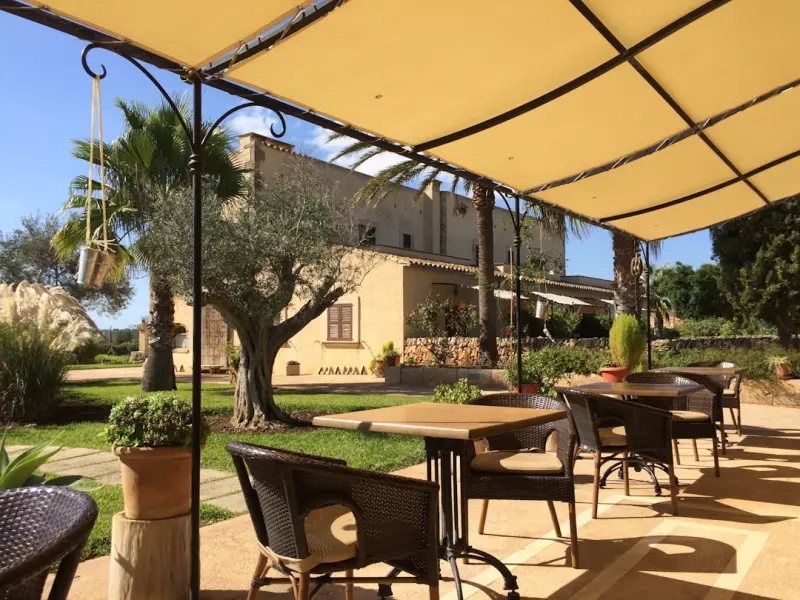
Why an Awning Is No Longer Just a Sun Block
When I first started in the trade, an awning was something you bolted to the side of a house and called it a day. It was a cheap, functional way to keep the living room from turning into a greenhouse on a hot summer afternoon. Fast forward a decade and the conversation has shifted. Homeowners are no longer asking, “How do I stop the sun?” They’re asking, “How can I extend my living room into the backyard without sacrificing comfort, privacy, or style?” That question has turned the awning from a simple shade solution into a cornerstone of outdoor living.
The Psychology of Outdoor Extension
Humans are wired for biophilia—the innate desire to connect with nature. Studies show that even a brief glimpse of greenery can lower cortisol, improve focus, and boost overall happiness. By turning a portion of the yard into a usable, protected space, an awning creates a seamless bridge between indoor comfort and outdoor vitality. This isn’t just about aesthetics; it’s about mental health. When you step out from behind a well‑designed awning onto a patio that feels like a natural extension of your kitchen, you’re inviting yourself to breathe deeper, think clearer, and stay longer.
Microclimate Management: The New Frontier
Temperature swings are the enemy of any outdoor gathering. A summer noon can feel like an oven, while an early autumn breeze can cut straight through a thin blanket. Modern awnings now incorporate intelligent awning controls that sync with local weather data. The system can automatically retract during a sudden storm, then deploy again once the rain subsides, preserving the integrity of the fabric and the comfort of your guests.
But the real magic lies in pairing these awnings with AI‑driven climate solutions. Imagine an integrated sensor suite that reads temperature, humidity, and solar intensity, then cues your HVAC or a portable heat pump to adjust output. The awning acts as a physical barrier that reduces solar gain, while the AI fine‑tunes indoor conditions. The result? A stable microclimate that feels just right whether you’re sipping coffee at dawn or hosting a sunset dinner.
Design as Storytelling
Every homeowner has a story they want their home to tell. In the past, an awning was a footnote—a utilitarian add‑on that rarely matched the architecture. Today, the design language of awnings has exploded:
- Material palettes: From woven teak to powder‑coated aluminum, there’s a finish that complements a mid‑century modern façade just as well as a rustic farmhouse.
- Color psychology: Deep navy can evoke nautical calm, while soft sage blends with foliage for a seamless visual transition.
- Form factor: Retractable, cantilever, motorized, or even kinetic awnings that open and close in response to wind patterns.
When you select an awning, you’re choosing a design element that narrates your home’s personality. It’s no longer “the shade thing” but “the statement piece that welcomes guests and protects the family.”
Privacy Without Walls
Open‑plan living is all the rage, yet privacy remains a priority. Traditional fences create hard boundaries, blocking both light and air. A well‑positioned awning can provide a soft, visual shield while still allowing breezes to pass. Coupled with strategically placed planters, lattice panels, or vertical gardens, you achieve a private oasis without the claustrophobic feel of solid walls.
Health Benefits Beyond UV Protection
Yes, UV protection is a given. Modern fabrics block up to 99% of UVA and UVB rays, guarding skin and furnishings alike. But there’s more:
- Allergy reduction: By shielding outdoor furniture and textiles from pollen, the awning creates a cleaner, less irritant environment.
- Thermal comfort: Reduced direct sunlight lowers indoor temperatures, decreasing reliance on air‑conditioning and preserving indoor air quality.
- Acoustic buffering: Fabric‑based awnings can dampen the harshness of street noise, turning a busy road into a muted backdrop for conversation.
Financial Upside: ROI You Can Feel
Investors love numbers, and homeowners love comfort. A well‑chosen awning adds measurable value to a property by expanding usable square footage—an asset that appraisers increasingly recognize. More importantly, it reduces energy consumption. When a sun‑blocked living room stays cooler by even five degrees, the HVAC system works less, translating to lower utility bills. Over the lifespan of a high‑quality awning (often 15‑20 years), the savings can offset the initial cost multiple times over.
Installation Insights from the Field
When I’m on site, I look for three things before recommending an awning:
- Load‑bearing capacity: The wall must support the awning’s weight plus wind load. Reinforcing studs or adding a dedicated ledger can prevent future sagging.
- Orientation: South‑facing façades benefit most from solar shading, while east‑west exposures need dynamic solutions that can adapt throughout the day.
- Control integration: Whether you’re using a wall switch, a smartphone app, or voice control through a smart hub, the wiring and networking must be planned from day one.
Skipping these steps can lead to premature wear, uneven tension, or even structural damage. A disciplined installation process ensures the awning performs as promised for decades.
Maintenance: Keeping It Fresh
Unlike a concrete patio, an awning is a fabric‑based system that needs care. Here’s my quick checklist:
- Quarterly cleaning: Use a mild detergent and soft brush to remove dust and pollen.
- Annual inspection: Check for tears, corrosion on metal components, and proper tension of the fabric.
- Lubricate moving parts: Motors, hinges, and rollers benefit from a silicone‑based lubricant to keep the operation smooth.
Regular upkeep extends lifespan, preserves aesthetics, and ensures safety. Think of it as a low‑maintenance, high‑impact upgrade—much like changing the oil in a car.
Future‑Proofing: What’s Next?
The awning market is on the cusp of a new wave. Expect to see:
- Solar‑integrated fabrics: Thin photovoltaic layers that generate power for lights or small appliances.
- Dynamic opacity: Electrochromic materials that shift from transparent to opaque with a tap, allowing you to control daylight without moving the awning.
- Modular ecosystems: Awnings that can snap onto pre‑installed tracks, enabling homeowners to add or re‑configure shade zones as needs change.
These innovations will blur the line between indoor comfort and outdoor freedom even further, making the awning a centerpiece rather than an afterthought.
Conclusion: From Functional to Transformative
In my years of working with roofs, walls, and everything in between, I’ve seen trends come and go. The awning’s evolution from a simple shade cloth to a sophisticated, health‑focused, design‑driven element is one of the most rewarding shifts I’ve witnessed. It’s no longer just about keeping the sun out; it’s about inviting the outdoors in—on your terms.
If you’re considering a renovation, think beyond the kitchen island or the new bathtub. Ask yourself how you can expand your living space without adding square footage. The answer may just be hanging above you, waiting to be deployed.

Craig Brett is a freelancer with a passion for the outdoors. His love for nature inspires his work, bringing authentic and engaging perspectives to projects related to outdoor activities, adventure, and environmental topics.
Related Posts

Awning Alchemy: Turning Simple Shade into Smart Outdoor Experience
Explore the untapped potential of awnings as dynamic, intelligent systems that enhance outdoor comfo... Read More

Shade and Strategy: Unleashing the Hidden Power of Modern Awnings
Explore the unexpected advantages of modern awnings, from psychological comfort and energy savings t... Read More
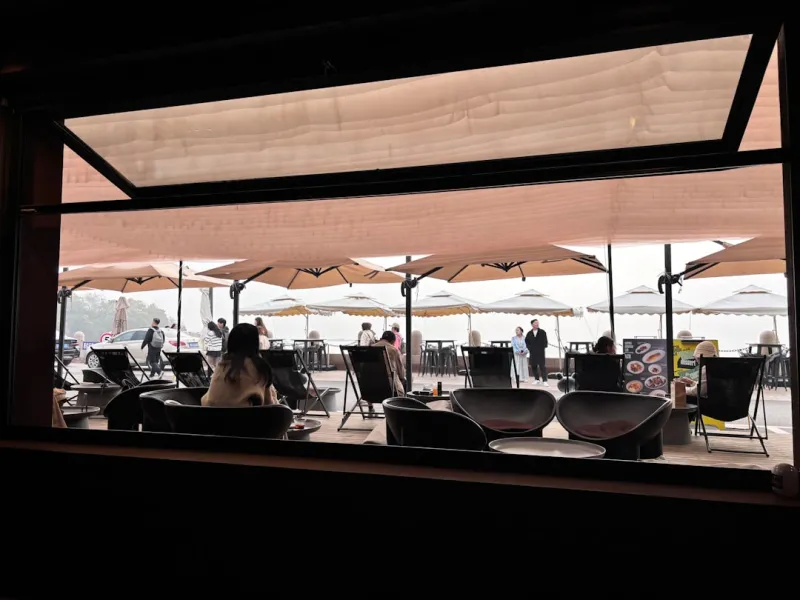
The Secret Power of Awnings: Turning Your Patio into a Sustainable Sanctuary
A personal dive into how awnings transform outdoor comfort, save energy, and integrate with smart ho... Read More
Top Posts
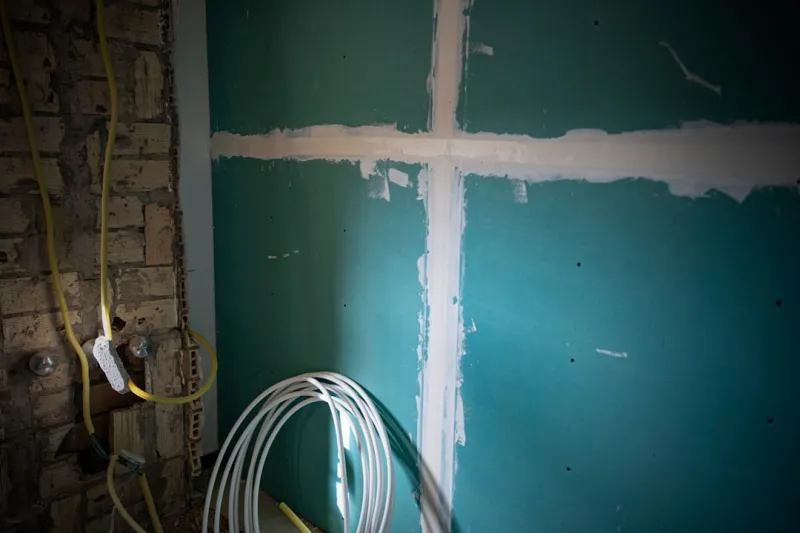
Drywalling Secrets: Sustainable Strategies Every Renovator Should Know
Learn how smart drywall choices, low‑VOC materials, and efficient installation techniques create sustainable, energy‑saving homes while keeping costs under ...Read More
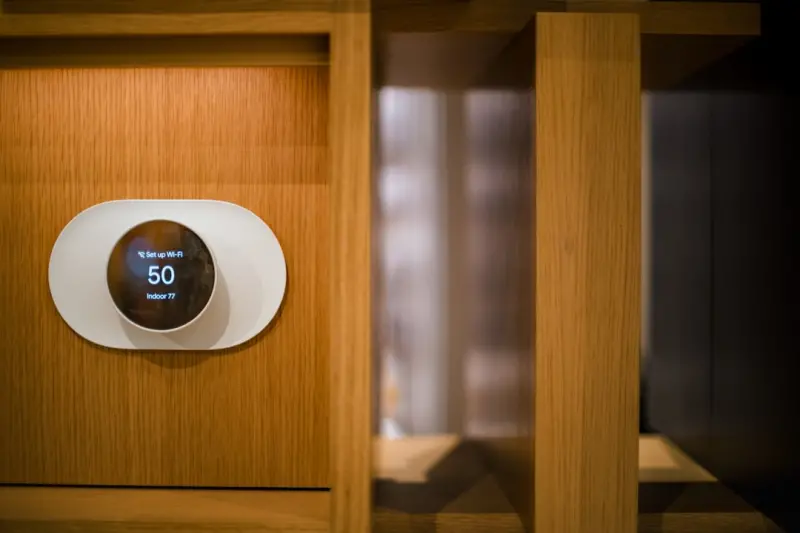
Beyond the Thermostat: Adaptive Climate Zones Redefine HVAC Comfort
Adaptive climate zoning breaks the one‑size‑fits‑all approach to HVAC, using smart sensors and AI to deliver zone‑specific heating and cooling, boost en...Read More

Embracing Sustainable Electrical Solutions for a Greener Future
Sustainable electrical solutions are critical for creating a greener future. Learn about the benefits of renewable energy sources, energy-efficient appliances, ...Read More

The Silent Threat: A Data‑Driven Playbook for Mold Eradication
A comprehensive guide to using real‑time monitoring, moisture mapping, and sustainable remediation to turn mold from a hidden danger into a manageable compone...Read More
0 Comments
Post Comment
You will need to Login or Register to comment on this post!