

Why the Old “Twice‑Yearly Walk‑Through” Is No Longer Enough
For decades, the energy inspection checklist has been a static, paper‑heavy exercise that most facility teams treat as a compliance ritual rather than a strategic lever. The result? Missed inefficiencies, delayed retrofits, and a growing gap between reported performance and real‑world consumption. In today’s data‑rich, climate‑conscious market, that approach is a liability.
Enter the era of continuous energy inspection. Instead of a bi‑annual walk‑through, buildings are now equipped with a network of low‑cost sensors, AI‑driven analytics, and a cloud‑based dashboard that turns every watt, BTU, and cubic foot of airflow into actionable insight—24/7. This shift transforms the inspection from a reactive, “once‑and‑done” task into an ongoing health monitor that catches waste before it becomes a bill.
The Core Pillars of Continuous Energy Inspection
- Edge‑Level Data Capture – Small, battery‑powered sensors installed on ducts, lighting fixtures, and utility meters stream granular data in real time. The hardware cost is often offset by the immediate energy savings it uncovers.
- AI‑Powered Anomaly Detection – Machine‑learning models learn the “normal” energy signature of each system and raise alerts when deviations exceed a configurable threshold. This means you’re notified the moment a chiller runs inefficiently or a valve drifts open.
- Integrated Action Workflow – Alerts feed directly into your existing CMMS or facilities management platform, automatically generating work orders, priority tags, and cost‑benefit estimates.
- Transparent ESG Reporting – The continuous data feed supplies auditors and investors with verifiable, time‑stamped emissions data, making ESG compliance less of a paperwork nightmare and more of a live performance metric.
From Data to Dollars: How Continuous Inspection Generates ROI
Every kilowatt‑hour saved is a line item on the bottom line, but the true financial impact comes from three synergistic sources:
- Early Fault Detection – A sensor on a chilled water pump can spot a 5 % rise in power draw within minutes, prompting a preventive service that avoids a catastrophic failure. The average ROI on early fault detection projects tops 300 %.
- Dynamic Commissioning – Traditional commissioning is a one‑off event. Continuous inspection lets you “re‑commission” automatically as operating conditions shift—seasonally, with occupancy changes, or after a retrofit—ensuring systems stay at peak efficiency.
- Predictive Maintenance Budgeting – By aggregating anomaly data across a portfolio, you can forecast maintenance spend with confidence, negotiate better service contracts, and avoid the “just‑in‑time” scramble that drives up labor rates.
Case Study: Turning a Retro‑Fit Project into a Living Laboratory
Consider a mid‑size corporate campus that recently upgraded its HVAC plant with variable‑speed drives and high‑efficiency chillers. Rather than treating the installation as a one‑time project, the facilities team layered a continuous inspection platform on top of the new equipment. Within three months:
- Energy consumption on the chilled water loop fell 12 % versus the projected 8 % savings.
- Two under‑performing air handling units were identified and re‑balanced, eliminating a 7 % loss that had been invisible in the annual audit.
- The real‑time data feed satisfied the company’s ESG reporting requirements without an extra audit, saving an estimated $25,000 in consulting fees.
This example illustrates how the “inspection” becomes a living experiment, continuously validating the effectiveness of capital projects.
Choosing the Right Platform: Features That Matter
When evaluating vendors, look beyond the flashier dashboards and focus on these functional capabilities:
| Capability | Why It Matters |
|---|---|
| Open API Integration | Seamless connection to existing BMS, CMMS, and ESG reporting tools. |
| Scalable Sensor Architecture | Allows you to start small—say, on a single building—and expand across a portfolio without re‑engineering the network. |
| Edge Analytics | Reduces bandwidth costs and latency by processing data locally before sending only insights to the cloud. |
| Custom Alert Logic | Enables you to set thresholds that align with your specific operational goals, not just generic industry standards. |
| Historical Benchmarking | Provides a context for current performance, helping you spot long‑term degradation trends. |
Integrating Continuous Inspection with Existing Inspection Workflows
Many organizations worry that a new platform will duplicate the effort of their seasoned inspectors. In practice, the two can coexist productively:
- Pre‑Inspection Enrichment – Sensors flag the zones that need a human eye, allowing inspectors to focus on the “high‑risk” areas rather than patrolling every room.
- Post‑Inspection Validation – After a manual audit, the platform can compare observed conditions with sensor data to verify accuracy and capture any missed opportunities.
- Training Loop – The data collected by sensors can be used to train new inspectors, turning abstract concepts like “air‑side imbalance” into concrete, visualized metrics.
For a deeper dive into how inspection data can be turned into a proactive maintenance roadmap, see our guide on Turning Home Inspection Findings into a Proactive Maintenance Roadmap. It outlines the exact steps for converting raw findings into scheduled, budget‑friendly tasks.
Beyond Energy: The Synergy with Water and Waste Management
Energy inspection rarely lives in isolation. A building’s water usage, storm‑water capture, and waste streams are interlinked with its energy profile. By extending the sensor network to these systems, you can uncover cross‑utility efficiencies. For instance, a heat‑recovery loop that uses waste‑heat from a boiler to pre‑heat domestic hot water can be monitored for both energy savings and reduced water heating demand.
One emerging practice is to pair continuous energy inspection with smart gutter technology that harvests rainwater for non‑potable use. The integration of these datasets provides a holistic view of a building’s resource footprint. Learn more about innovative water strategies in our piece Harvesting Rain: How Modern Gutter Systems Power Sustainable Buildings.
Addressing Common Concerns
Privacy and Data Security: Facility data can be sensitive. Choose platforms that offer end‑to‑end encryption, role‑based access controls, and compliance with standards such as ISO 27001.
Upfront Cost: While sensor deployment requires capital, the payback period is typically under 12 months thanks to immediate energy savings and avoided downtime.
Change Management: Involve maintenance crews early, provide training on the dashboard, and celebrate quick wins to build momentum.
Future Outlook: The Convergence of IoT, AI, and Regulatory Pressure
Regulators are tightening building performance standards, and investors are demanding transparent ESG metrics. Continuous energy inspection sits at the crossroads of these forces, offering a defensible, data‑backed narrative for sustainability reporting. As AI algorithms become more sophisticated, we’ll see predictive scenarios that not only flag current inefficiencies but also simulate the impact of future retrofits before any money is spent.
In short, the “inspection” of the future is less a checkpoint and more a continuous dialogue between a building’s physical systems and its operators. Those who adopt this mindset now will not only cut costs but also position themselves as leaders in the next generation of resilient, high‑performance real estate.

William Roy is a freelance writer originally from Montreal who moved to Ottawa with his wife of 50 years to be closer to their grandkids. Alongside his writing, William has a passion for fishing.
Related Posts
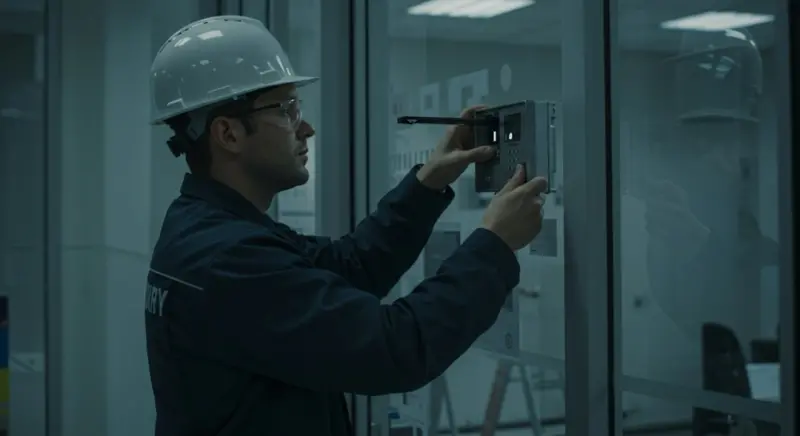
Energy Inspection Redefined: From Reactive Audits to Continuous Insight
A deep dive into turning energy inspection from periodic checks into a real‑time, predictive pract... Read More
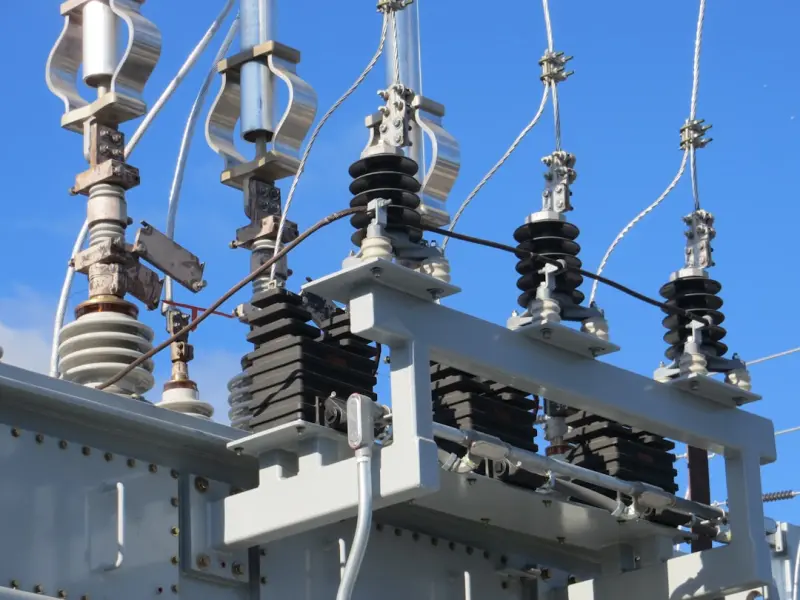
Beyond the Checklist: Human Insight in Energy Inspection
Energy inspection is more than a data dump—it's a conversation. Tom Ferguson explains how human in... Read More

Continuous Energy Inspection: Turning Real‑Time Data into Facility Savings
A deep dive into Continuous Energy Inspection, showing how sensors, edge processing, and analytics r... Read More
Top Posts

The Hidden Benefits of Bathtub Refinishing: A Homeowner’s Deep Dive
Bathtub refinishing isn’t just a quick fix—it’s a design upgrade, a green choice, and a resale booster. Dive into the why, the how, and the hidden perks o...Read More
Reviving Vintage Windows: A Homeowner’s Guide to Authentic Restoration
Learn to assess, restore, and maintain vintage windows, blending heritage charm with modern efficiency for lasting home value....Read More

Smart Window Treatments: The Overlooked Energy Saver
Learn practical tips for choosing, automating, and maintaining window treatments that boost energy savings while enhancing your home's look....Read More
Renovating for Resilience: Future‑Ready Commercial Spaces
A practical guide to future‑proof commercial renovations, focusing on resilience, adaptive infrastructure, biophilic design, and financial incentives that tur...Read More
0 Comments
Post Comment
You will need to Login or Register to comment on this post!