
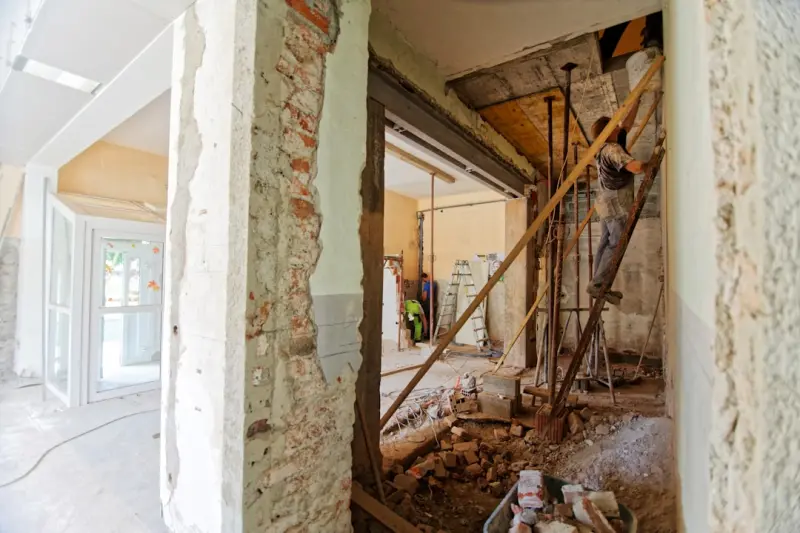
The Foundation Underfoot: Why Smart Repair is No Longer Optional
When you walk into a building, your eyes are drawn to the finishes, the layout, the lighting. Rarely do you think about the slab, the footings, the concrete walls that keep the whole structure upright. Yet those hidden components are the most vulnerable part of any building – especially as climate patterns shift, soil settles, and loads change over time. In my ten‑plus years of working on commercial and industrial projects, I’ve seen a single cracked foundation evolve from a minor nuisance into a multi‑million‑dollar disaster in less than a season.
That reality has forced a new mindset among owners, facility managers, and contractors: foundation repair can’t be a reactive “after‑the‑fact” operation. It has to be proactive, precise, and, most importantly, smart. Below I’ll walk you through the emerging technologies, workflow changes, and cultural shifts that are turning a traditionally “dirty, noisy” trade into a data‑rich, low‑impact discipline.
From Guesswork to Science: The Sensors That Listen to Your Foundation
The first step in a smart repair strategy is to replace the old‑school “visual inspection” with continuous, quantitative monitoring. Modern MEMS (micro‑electromechanical systems) accelerometers, strain gauges, and humidity sensors can be bonded to concrete, buried in backfill, or even embedded during the pour. These devices transmit millisecond‑level readings to a cloud platform where algorithms flag anomalies that would be invisible to the naked eye.
- Crack evolution tracking – By measuring the displacement across a fissure every few seconds, you can plot an exponential curve that tells you exactly when the crack will reach a critical width.
- Soil moisture dynamics – Sensors placed around footings detect rising moisture content that often precedes hydrostatic pressure build‑up, a major driver of settlement.
- Load distribution monitoring – Strain gauges on load‑bearing walls reveal shifts in how weight is transferred across the structure, highlighting over‑stressed zones before they fail.
The beauty of this approach is that it creates a “foundation health score” that updates in real time. Facility teams can set thresholds—say, a 0.5 mm daily movement or a 12 % moisture increase—and receive instant alerts via mobile or email. No more waiting for a quarterly visual check or a tenant complaint about uneven floors.
AI‑Assisted Diagnosis: Turning Raw Data Into Actionable Insight
Collecting sensor data is only half the battle. The next step is making sense of it. This is where artificial intelligence shines. Machine‑learning models, trained on decades of historical failure data, can predict the probability of a foundation breach within the next 12‑24 months. They do this by correlating patterns such as:
- Slow, steady settlement versus sudden drops.
- Seasonal moisture spikes that coincide with nearby construction activity.
- Vibration signatures from heavy equipment that exceed baseline thresholds.
When a model flags a high‑risk scenario, it also recommends the most efficient remediation path—whether that’s a simple epoxy injection, a carbon‑fiber reinforcement, or a full underpinning operation. The recommendation is based on cost‑effectiveness, projected downtime, and local code requirements.
Integrating Waterproofing Into the Repair Workflow
One of the most common catalysts for foundation distress is water infiltration. While sensors catch the symptom early, the cure often lies in smarter waterproofing. Traditional waterproofing is a passive barrier: a sheet or coating applied once and forgotten. Today, the approach is shifting toward an “intelligent shield” that adapts to changing conditions.
By pairing the moisture sensors mentioned earlier with next‑gen waterproofing strategies, you can automate the deployment of self‑healing polymers or pressure‑relief vents when saturation thresholds are breached. The system can even trigger a localized dehumidification cycle, pulling excess moisture away from the footing before it reaches a level that threatens structural integrity.
Water Intrusion and Leak Detection: A Symbiotic Relationship
Foundation cracks often serve as pathways for water, but the source isn’t always obvious. Is the water coming from a rising water table, a leaking pipe, or a storm‑driven surge? To answer that, you need a coordinated leak‑detection network that works hand‑in‑hand with the foundation sensors.
Deploying smart leak detection systems along with foundation monitoring creates a holistic picture of how water moves through a site. When a leak is identified, the system can isolate the offending line, shut off valves, and notify maintenance crews—all before the water has a chance to seep into the footings.
Robotics and Precision Repair: Reducing Human Error
Once a problem is identified, the next challenge is fixing it with minimal disruption. Robots equipped with laser‑guided injectors can apply epoxy or grout with millimeter accuracy, ensuring complete penetration of cracks without over‑filling. Drones can conduct aerial scans of the site, generating 3D models that guide the robot’s path and verify the repair quality in real time.
This precision reduces material waste, shortens labor hours, and, crucially, limits exposure of workers to hazardous environments. For large‑scale projects—think warehouse foundations or multi‑story parking structures—the time savings can be measured in weeks rather than months.
Economic Impact: How Smart Repair Saves Money
It’s tempting to view these technologies as an added expense, but the numbers tell a different story. A typical foundation failure can cost anywhere from $50,000 to $500,000 in direct repairs, plus indirect costs like downtime, tenant loss, and insurance premium hikes. By catching issues early and repairing them precisely, owners often see a 30‑50 % reduction in total lifecycle cost.
Moreover, insurers are beginning to offer reduced premiums for buildings equipped with continuous monitoring and AI‑driven risk mitigation. Some municipalities are also granting fast‑track permitting for projects that demonstrate a “smart” repair plan, further accelerating the ROI.
Changing the Culture: From Reactive Maintenance to Continuous Stewardship
Technology alone won’t transform foundation repair; it requires a shift in how teams think about the building’s “underbelly.” Here are three cultural pivots that have proven effective:
- Cross‑functional ownership – Facility managers, structural engineers, and IT teams must collaborate on the sensor data platform. No single department should be the sole gatekeeper of foundation health information.
- Proactive budgeting – Instead of a “repair‑when‑broken” reserve, allocate a predictable annual fund based on the health score trends. This turns surprise expenses into planned line items.
- Continuous learning – Use each repair as a case study. Feed the outcomes back into the AI model to improve future predictions, creating a virtuous loop of improvement.
Case Study: A Mid‑Size Manufacturing Plant Avoids a $300K Catastrophe
One of my recent projects involved a 120,000 sq ft manufacturing facility built on reclaimed industrial land. The original foundation had settled unevenly, causing misaligned doors and wobbling machinery. The owners installed a sensor suite across the perimeter footings and linked it to an AI platform.
Within six months, the system detected a gradual upward pressure increase in the southern quadrant—a sign of rising groundwater from a nearby creek. The AI model predicted a 70 % chance of a footing breach within the next year. The team responded by deploying an automated waterproofing membrane that expanded when moisture exceeded a set point, and a carbon‑fiber reinforcement was installed under the affected footings.
The result? No structural failure, a $280,000 savings compared to the estimated repair cost, and a reduced insurance premium. The plant continued production without interruption, and the sensor data became a cornerstone of the company’s asset‑management strategy.
Getting Started: A Simple Roadmap for Building Owners
If you’re convinced that your foundation deserves smarter care, here’s a three‑step roadmap to get moving:
- Audit the current state – Conduct a baseline survey using non‑destructive testing (ultrasonic, ground‑penetrating radar) to map existing cracks and moisture hotspots.
- Deploy sensors and integrate platforms – Choose a vendor that offers open APIs, so you can combine foundation data with existing building‑management systems.
- Partner with a tech‑savvy contractor – Look for firms that already use AI‑assisted diagnostics and robotic repair tools. Their experience will shorten the learning curve and ensure a smoother implementation.
Remember, the goal isn’t to replace the expertise of structural engineers but to augment it with tools that give them more accurate, timely information. When the foundation is healthy, the entire building can perform at its best.
Looking Ahead: The Future of Foundation Repair
In the next decade, I expect three major developments to become mainstream:
- Self‑healing concrete – Materials that release polymeric agents when micro‑cracks form, essentially repairing themselves without human intervention.
- Edge‑computing on the site – Tiny, rugged computers that process sensor data locally, providing instant alerts even if the internet connection drops.
- Regenerative foundation designs – Footings that incorporate bio‑engineered soils or modular steel plates that can be swapped out as loads change, turning foundations into adaptable, long‑lasting systems.
These innovations will further blur the line between “construction” and “technology,” making foundation repair a high‑tech discipline that safeguards the most critical part of any building.
In the meantime, the smartest move you can make is to start listening to the foundation you’ve already built. With the right sensors, analytics, and a culture that values continuous stewardship, you’ll not only prevent costly failures but also extend the lifespan of your assets for years to come.

Paul Gray is a dynamic blogger based in Brampton, where he shares his life with his amazing wife, Sarah. Known for his engaging writing style and relatable insights, Paul has carved out a niche in the blogging world that resonates with readers from all walks of life. When he's not crafting captivating posts, you can find him savoring a cold beer or indulging in the latest blockbuster movie. With a friendly demeanor and a passion for storytelling, Paul brings a unique perspective to his work, making him not just a blogger, but a voice for those who appreciate the simple joys of life.
Related Posts
Reframing Foundation Repair: Turning Structural Fixes into Strategic Assets
Foundation repair isn’t just a maintenance chore; it’s a strategic lever for asset value, risk m... Read More

From Cracks to Confidence: A New Playbook for Foundation Repair
A fresh perspective on foundation repair shows how sensor data, climate‑aware design, and innovati... Read More
When Foundations Crumble: A Veteran Contractor’s Blueprint for Sustainable Repairs
A seasoned contractor reveals how to diagnose, stabilize, and sustainably repair foundation problems... Read More
Top Posts
Resurrecting Original Hardwood Floors: A Homeowner’s Guide to Restoration and Value
Original hardwood floors can be the heart of a historic home, offering timeless beauty and lasting value. This guide walks you through assessment, restoration t...Read More

Foundation Health: Turning Hidden Risks Into Strategic Assets
A deep dive into proactive foundation repair, from early warning signs to data‑driven monitoring, sustainable materials, and turning maintenance into a compet...Read More

Stacked Living: How Modular Vertical Additions Redefine Home Expansion
Vertical modular additions offer a fast, sustainable, and flexible way to gain extra square footage without major construction disruptions. Learn how to design,...Read More
When Gutters Go Smart: Turning Rainfall into a Resilient Asset
A deep dive into how intelligent gutter systems can boost resilience, cut costs, and add sustainability value—complete with design tips, sensor tech, and real...Read More
0 Comments
Post Comment
You will need to Login or Register to comment on this post!