

When I first stepped onto a construction site in the Pacific Northwest, the smell of fresh concrete was quickly overpowered by a subtle, persistent dampness that seemed to cling to everything. It was a reminder that even the most cutting‑edge designs can be humbled by one unforgiving element: water. Over the years I’ve watched waterproofing evolve from a backstage, “just make sure it doesn’t leak” task into a sophisticated, design‑driven discipline that can boost energy efficiency, extend building lifespan, and even become a visual statement. In this post I’m pulling back the curtain on the latest wave of waterproofing innovations that are reshaping how we think about protection, performance, and aesthetics.
1. From Barrier to Strategy: Why Waterproofing Deserves a Seat at the Design Table
Historically, waterproofing was the afterthought of the last contractor to finish a job. A sheet of tar, a roll of bitumen, a spray‑on membrane—apply, cure, hope. Today, the best‑in‑class projects treat waterproofing as an integral part of the building strategy, much like structural framing or HVAC design. This shift is driven by three forces:
- Longevity economics. Water intrusion is the leading cause of premature building deterioration, and the cost of remediation often eclipses the upfront expense of a high‑performance membrane.
- Energy performance. Moisture‑laden assemblies can compromise insulation, leading to higher heating and cooling loads. A well‑sealed envelope preserves the thermal integrity of the envelope.
- Regulatory pressure. Green building certifications now reward projects that demonstrate proactive moisture management, not just energy efficiency.
When you start treating waterproofing as a strategic asset, the conversation changes from “how do we keep water out?” to “how can we leverage water‑resistance to enhance overall building performance?”
2. The Rise of Intelligent Membranes
One of the most exciting developments is the emergence of intelligent waterproofing membranes. These aren’t your grandma’s rubberized tar sheets; they’re engineered composites that can sense, respond, and even self‑heal. Key features include:
- Embedded moisture sensors. Tiny, low‑power sensors relay real‑time data to a building management system, flagging potential leaks before they become visible.
- Phase‑change materials. Some membranes contain micro‑capsules that release a sealing agent when exposed to water, effectively “plugging” micro‑cracks on the fly.
- Thermal regulation. By integrating reflective pigments, these membranes can reduce heat gain on sunny façades while still providing a waterproof barrier.
Imagine a high‑rise with a façade that not only keeps rain out but also whispers a status update to the facilities team when a sensor detects elevated humidity behind the wall. The proactive maintenance enabled by these membranes is a game‑changer for asset managers.
3. Transparent Waterproofing: When Protection Becomes a Design Feature
For decades, waterproofing was synonymous with darkness—black bitumen, gray sheets, and the occasional orange warning stripe. Today, designers are experimenting with transparent or translucent waterproofing systems that double as daylight‑harvesting devices. Think of a glass canopy with a hydrophobic coating that repels water while allowing sunlight to filter through. The benefits are twofold:
- Daylighting gains. Transparent membranes can be paired with photovoltaic films, turning a rain‑shield into a small‑scale solar generator.
- Aesthetic integration. A sleek, clear barrier can preserve the visual integrity of architectural features such as glass curtain walls or atrium skylights.
One project I consulted on in downtown Vancouver used a clear, silicone‑based membrane over a rooftop garden. Not only did it keep the soil dry, but it also amplified the garden’s natural light, creating a bright, inviting oasis for tenants.
4. Data‑Driven Waterproofing Maintenance
Waterproofing isn’t a set‑and‑forget solution; it’s a living system that benefits from continuous monitoring. Leveraging the same data platforms that power smart zoning HVAC systems, building owners can now integrate moisture data into their overall building health dashboard.
Here’s how a typical data‑driven workflow looks:
- Sensor deployment. Moisture and temperature sensors are installed at critical junctions—below slabs, within wall cavities, and behind cladding.
- Cloud aggregation. Sensor readings are streamed to a cloud service where algorithms detect anomalies.
- Predictive alerts. When a sensor reports humidity spikes beyond a calibrated threshold, the system issues a maintenance ticket, complete with location, severity, and suggested remediation steps.
- Performance analytics. Over time, the data reveals patterns—perhaps a particular facade orientation is more prone to infiltration—informing future design tweaks.
By treating waterproofing data like any other building performance metric, facilities teams can shift from reactive repairs to predictive upkeep, saving time, money, and the occasional heart attack.
5. Sustainable Materials: Green Waterproofing Without Compromise
Eco‑conscious building owners are demanding waterproofing solutions that align with their sustainability goals. Enter bio‑based membranes and recycled‑content coatings. These products typically use:
- Renewable polymers derived from soy, corn, or algae.
- Reclaimed rubber or plastic granules that replace virgin petrochemical feedstocks.
- Low‑VOC (volatile organic compounds) formulations that improve indoor air quality.
One notable example is a plant‑based acrylic coating that achieves a 99.5% water resistance rating while boasting a 30% lower embodied carbon than traditional bitumen. Pair this with a sustainable permeable pavement system around the building perimeter, and you’ve got a holistic moisture management strategy that respects both the built and natural environments.
6. Modular Waterproofing Systems for Fast‑Track Construction
Prefabrication is revolutionizing many trades, and waterproofing is no exception. Modular waterproofing panels—pre‑cut, pre‑tested, and pre‑sealed—can be shipped to the site and snapped into place, dramatically reducing on‑site labor and installation errors. Benefits include:
- Speed. Installation times can drop by up to 50% compared with traditional sheet‑membrane methods.
- Quality control. Factory conditions ensure consistent thickness, adhesive performance, and seam integrity.
- Reduced waste. Precise cutting minimizes off‑cut material, aligning with circular‑economy principles.
In a recent multi‑family project I observed, the team used interlocking waterproofing modules that also incorporated built‑in drainage channels. The result was a dry, self‑ventilating slab that required no post‑install water‑testing—an impressive time‑saver for a tight construction schedule.
7. The Human Element: Training and Culture
Technology alone won’t solve every waterproofing challenge. The most advanced membrane will fail if it’s installed by someone who doesn’t understand the importance of surface preparation, temperature tolerances, or proper seam sealing. This is why forward‑thinking firms invest heavily in hands‑on training programs and foster a culture that treats waterproofing as a critical path item rather than an afterthought.
Practical steps to embed this mindset:
- Include waterproofing milestones in the project schedule with clear accountability.
- Host on‑site workshops led by manufacturers to demonstrate proper installation techniques.
- Implement a “wet‑test” protocol before handover, where water is deliberately applied to critical areas to verify the integrity of the system.
When the crew sees waterproofing as a shared responsibility, the overall project quality rises, and the likelihood of costly post‑occupancy repairs plummets.
8. Case Study: A Boutique Hotel That Turned Its Waterproofing Into a Guest Experience
To illustrate the power of a holistic approach, let me share a recent case study. A boutique hotel situated on a historic waterfront wanted to preserve its charming brick façade while upgrading its envelope to meet modern performance standards.
Solution highlights:
- Hybrid membrane system. The exterior used a breathable, vapor‑permeable membrane that allowed the historic brick to “breathe” while keeping liquid water out.
- Integrated lighting. Transparent waterproofing strips were fitted behind LED fixtures, creating a subtle, glowing silhouette at night—turning a functional element into a design feature.
- Real‑time monitoring. Sensors placed behind the façade sent humidity data to the hotel’s building management system, alerting staff to any unusual moisture spikes.
- Guest communication. The hotel displayed a live “wall health” dashboard in the lobby, turning an engineering detail into a story about sustainability and preservation.
The result? A 25% reduction in energy consumption, zero water‑damage incidents over two years, and rave reviews from guests who appreciated the hotel’s transparent commitment to durability and design.
9. Future Outlook: What’s Next for Waterproofing?
Looking ahead, I see three trends converging to reshape waterproofing:
- AI‑driven diagnostics. Machine‑learning models will predict leak hotspots based on sensor data, weather patterns, and material aging curves.
- 3‑D‑printed membranes. Additive manufacturing could allow custom‑shaped waterproofing panels that fit complex geometries without seams.
- Regenerative coatings. Future membranes might not only seal but also actively repair micro‑cracks using embedded micro‑organisms or nano‑capsules.
These innovations promise to make waterproofing less of a protective blanket and more of an intelligent, adaptive skin that enhances both building performance and occupant experience.
10. Getting Started: A Practical Checklist for Your Next Project
If you’re ready to bring these ideas to life, use this checklist as a launchpad:
- Define performance goals: water resistance, breathability, thermal impact.
- Select a membrane type that aligns with sustainability targets (bio‑based, recycled, or transparent).
- Plan sensor integration early—coordinate with HVAC and BMS teams.
- Consider modular prefabricated panels for speed and quality.
- Schedule hands‑on training for the installation crew.
- Implement a “wet‑test” protocol before final acceptance.
Water isn’t going away, but with the right blend of technology, design, and culture, we can turn a potential adversary into a catalyst for smarter, greener, and more beautiful buildings.

When it comes to the world of blogging and writing, Rose DesRochers is a name that stands out. Her passion for creating quality content and connecting with her audience has made her a trusted voice in the industry. Aside from her skills as a writer and blogger, Rose is also known for her compassionate nature.
Related Posts

The Future of Waterproofing: Sustainable Solutions for a Greener Tomorrow
As the construction industry continues to grow, sustainable waterproofing solutions are becoming inc... Read More
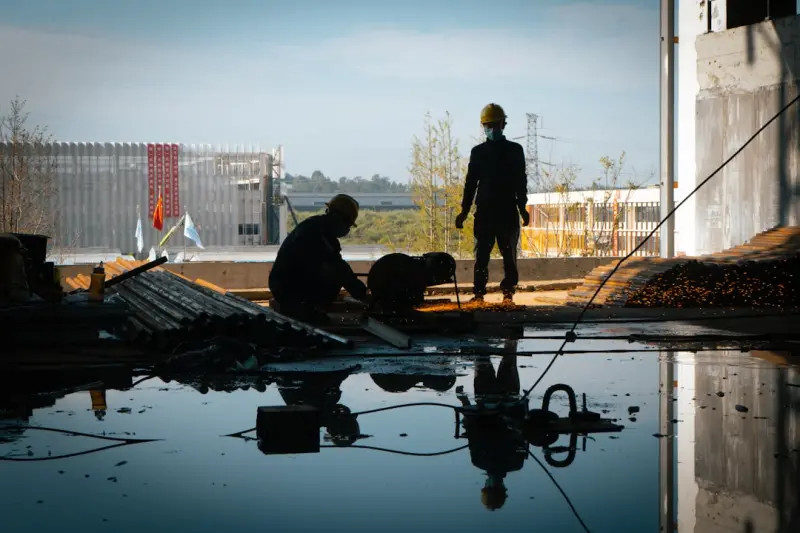
Waterproofing as a Service: Redefining Building Resilience with Subscription Models
A fresh look at waterproofing reveals the power of subscription‑based services, offering financial... Read More

Beyond the Sheet: Modern Strategies for Long‑Lasting Waterproofing
Explore innovative waterproofing methods that combine breathable membranes, green sealants, and sens... Read More
Top Posts
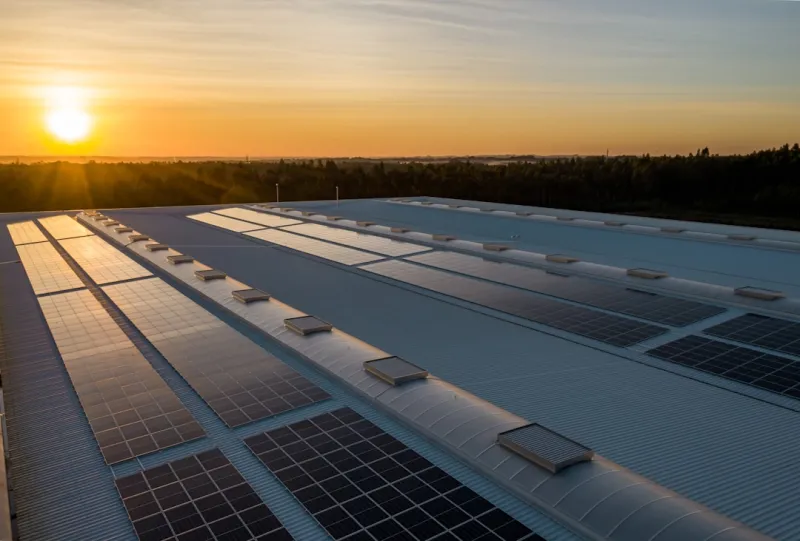
The Solar Energy Revolution: Harnessing the Power of the Sun
The solar energy revolution is gaining momentum worldwide. Learn about the benefits, challenges, and future of solar energy and how it's transforming the way we...Read More
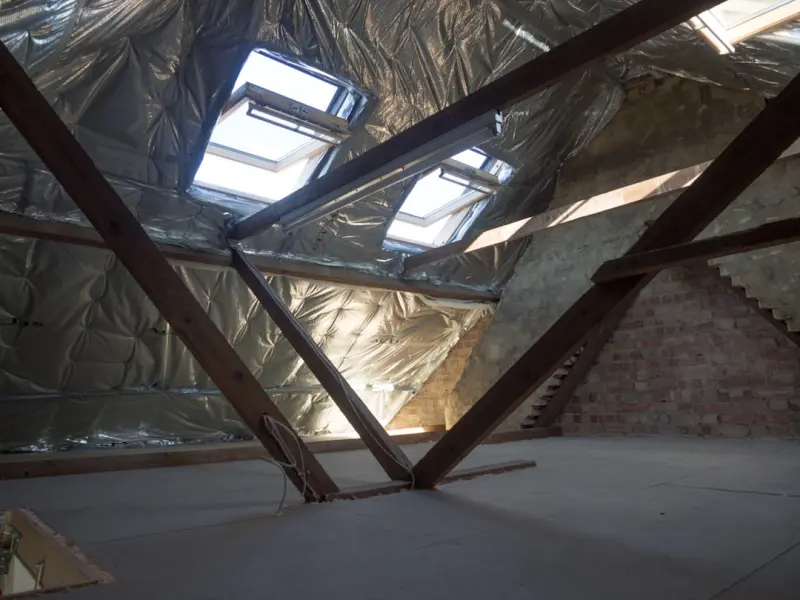
The Quiet Powerhouse: Reframing Insulation as a Strategic Business Lever
Insulation isn’t just a hidden wall layer—when paired with data and smart materials, it becomes a strategic asset that cuts energy costs, enhances employee ...Read More
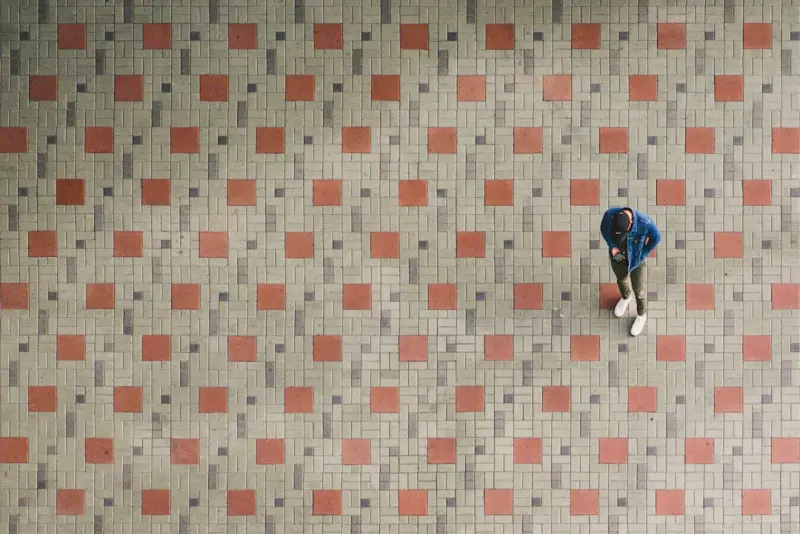
Turning Floor Tiles into Data‑Driven Assets for Smarter Facilities
Smart tiling turns floors into data hubs, offering predictive maintenance, space utilization analytics, and energy harvesting—turning a simple surface into a ...Read More
Subscription Appliance Repair: The Business Edge You’ve Been Missing
Subscription‑style appliance repair transforms unpredictable emergency costs into a strategic, data‑driven service, delivering financial predictability, fas...Read More
0 Comments
Post Comment
You will need to Login or Register to comment on this post!