
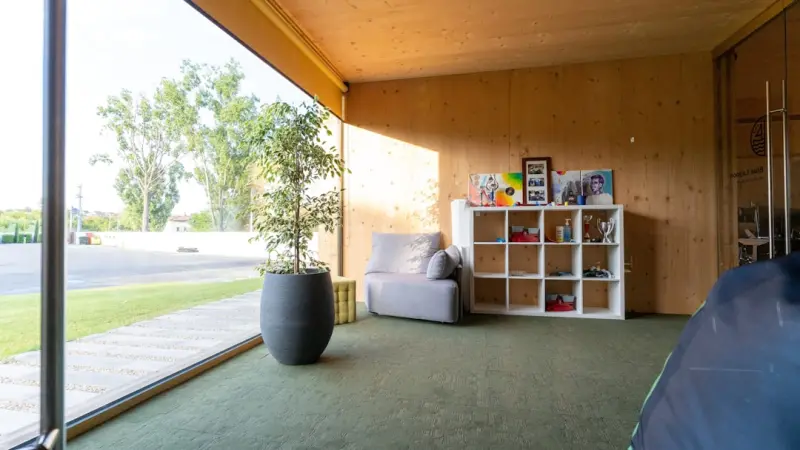
Sunrooms as Data‑Driven Wellness Pods: Merging Light, Sensors, and Ergonomics for Peak Performance
When I first stepped into a sunlit enclosure at a client’s campus, the experience felt less like entering a room and more like stepping into a living organism. Sunrooms have long been praised for their aesthetic appeal, but today they can be engineered to become intelligent wellness hubs that actively support employee health, focus, and creativity. In this deep‑dive, I’ll walk you through the practical steps for turning a traditional sunroom into a data‑driven wellness pod, the technology you’ll need, and the measurable outcomes you can expect.
Why a Wellness Pod?
Research shows that exposure to natural light can regulate circadian rhythms, reduce stress, and improve cognitive function. Yet many workplaces still rely on fluorescent lighting that offers none of these benefits. A wellness pod leverages the sunroom’s inherent connection to daylight and augments it with sensors, adaptive shading, and ergonomic furnishings to create a space that responds to the occupants’ needs in real time.
Core Components of a Data‑Driven Sunroom
- Dynamic Light Management – Automated blinds and electrochromic glass that adjust tint based on solar intensity, time of day, and individual preferences.
- Environmental Sensors – Temperature, humidity, CO₂, and luminance sensors that feed data into a building‑management platform.
- Biophilic Elements – Living walls, potted trees, and natural materials that reinforce the connection to nature.
- Ergonomic Zones – Adjustable workstations, lounge seating, and meditation cushions arranged to accommodate diverse activities.
- Data Visualization Dashboard – A real‑time interface that shows occupants how the space is performing and invites them to personalize settings.
Step‑by‑Step Blueprint
1. Audit the Existing Envelope
Begin with a thorough assessment of the sunroom’s structural integrity, glazing type, and thermal performance. Look for air leaks, outdated frames, or single‑pane glass that could compromise comfort. A solid envelope ensures that the data you collect later will be accurate and that the space will remain energy‑efficient.
2. Upgrade to Adaptive Glazing
Modern electrochromic or photochromic glass can shift from clear to tinted within seconds, balancing glare and heat gain. While Smart Glazing & Doors: Unlocking Untapped Value explores these technologies in depth, the key takeaway for a wellness pod is the ability to program the glass to follow the occupants’ circadian preferences—bright and cool in the morning, warmer and softer in the afternoon.
3. Deploy a Sensor Network
Install a suite of IoT sensors that capture:
- Illuminance (lux) – to gauge natural light levels.
- Temperature and humidity – to maintain comfort.
- CO₂ concentration – a proxy for air quality.
- Occupancy – motion or pressure sensors that detect presence.
These devices should communicate over a secure, low‑latency protocol (e.g., Zigbee or Thread) and feed into a centralized analytics engine.
4. Integrate with Building Management Systems (BMS)
Link the sensor data to your BMS so that the system can automatically adjust blinds, HVAC, and lighting. For example, if the sensor detects high glare, the blinds close incrementally; if CO₂ rises above 800 ppm, the ventilation ramps up. This closed‑loop approach minimizes manual intervention while maximizing comfort.
5. Curate Biophilic Design
Plants do more than please the eye—they improve air quality, reduce perceived temperature, and lower stress hormones. Choose species that thrive in bright, indirect light, such as snake plants, pothos, or dwarf citrus trees. Combine them with natural textures like reclaimed wood flooring or stone accents to deepen the sense of being outdoors.
6. Create Flexible Zones
People use sunrooms for a variety of tasks: focused work, casual collaboration, meditation, or simply recharging. Designate distinct zones:
- Focus Booths – Solo desks with acoustic panels and adjustable task lighting.
- Collaboration Nooks – Low tables and movable chairs encouraging impromptu brainstorming.
- Rest Pods – Hammocks or lounge chairs paired with soft cushions for micro‑breaks.
7. Build a Transparency Dashboard
Provide occupants with a tablet‑sized display or a mobile app that shows real‑time metrics: current light levels, temperature, and a “wellness score” derived from sensor data. Empower users to tweak preferences, such as increasing shade for a video call or boosting brightness for a design sprint.
8. Establish Metrics for Success
Track key performance indicators (KPIs) like:
- Average employee satisfaction scores for the sunroom (survey‑based).
- Reduction in sick‑day usage linked to improved indoor air quality.
- Energy savings from adaptive shading versus baseline HVAC consumption.
- Increase in creative output measured through project milestones.
These metrics will help you justify the investment and iterate on the design.
Case Study: Turning Sunrooms into Creative Labs
One of our clients, a mid‑size design agency, repurposed their under‑used atrium into a wellness pod. After implementing adaptive glazing and a sensor network, they observed a 23% rise in reported focus during morning work sessions and a 15% reduction in overall lighting energy use. Employees praised the “sunlit sanctuary” for offering a calm backdrop for sketching and ideation.
Addressing Common Concerns
Cost vs. ROI
Initial outlay can seem steep, especially for premium glass and sensor infrastructure. However, the ROI often materializes through lower energy bills, reduced absenteeism, and higher employee retention. A detailed cost‑benefit analysis should factor in both tangible (energy) and intangible (well‑being) returns.
Data Privacy
Occupancy sensors raise privacy questions. Ensure that data is anonymized, stored securely, and used solely for environmental optimization. Transparent communication with staff about what is being collected and why is essential.
Maintenance
All technology requires upkeep. Choose vendors that offer warranty‑backed servicing for glass panels and sensor calibration. Schedule quarterly reviews to verify sensor accuracy and update software patches.
Future‑Proofing the Sunroom
As workplaces evolve, the wellness pod can adapt. Integration with Solar Energy: The Strategic Edge Your Business Isn’t Using enables the sunroom to harvest daylight for on‑site power, feeding excess energy back into the grid or powering the pod’s own climate controls. Additionally, emerging AI models can predict occupancy patterns and pre‑condition the space, delivering a truly anticipatory environment.
Getting Started: A Quick Checklist
- Conduct a structural and glazing audit.
- Select adaptive glazing technology that aligns with budget and performance goals.
- Deploy a comprehensive sensor suite (light, temperature, CO₂, occupancy).
- Integrate sensors with your building management platform.
- Design biophilic elements and flexible furniture layouts.
- Develop a user‑focused data dashboard.
- Define wellness and energy KPIs.
- Roll out a pilot phase, gather feedback, and iterate.
Final Thoughts
The sunroom has the potential to be more than a decorative add‑on; it can become a living data hub that continuously optimizes the environment for human thriving. By marrying natural light with intelligent systems, you create a space that not only looks good but also feels good—boosting morale, sharpening focus, and ultimately driving better business outcomes. The future of workplace design is luminous, and it begins right at the edge of that glass wall.

When it comes to the world of blogging and writing, Rose DesRochers is a name that stands out. Her passion for creating quality content and connecting with her audience has made her a trusted voice in the industry. Aside from her skills as a writer and blogger, Rose is also known for her compassionate nature.
Related Posts

Creating a Year‑Round Wellness Retreat in Your Sunroom
Transform your sunroom into a daily wellness retreat by leveraging daylight, climate control, clean ... Read More
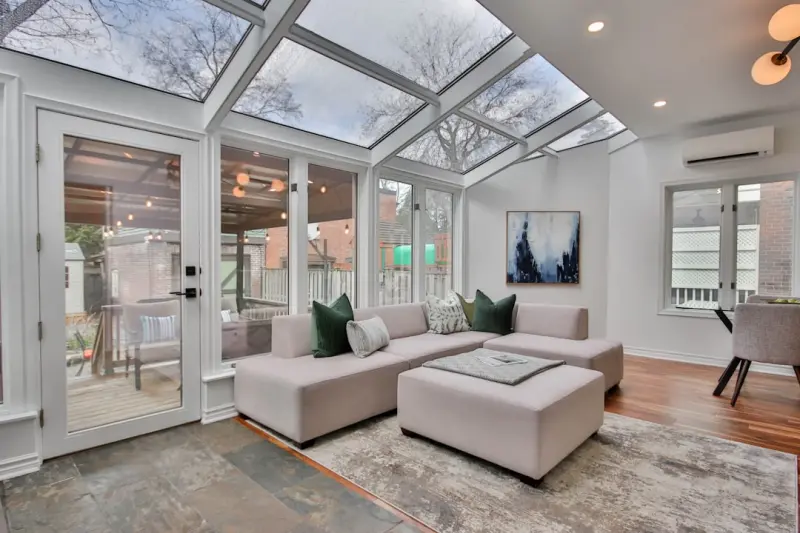
Sunroom Synergy: Turning Light‑Filled Spaces into Business Catalysts
Explore how sunrooms can evolve from decorative add‑ons to data‑driven, revenue‑generating ass... Read More

Biophilic Sunrooms: Designing Nature‑Infused Spaces for Health and Creativity
Sunrooms can become powerful biophilic sanctuaries by integrating natural light, fresh air, sustaina... Read More
Top Posts

Designing Intentional Micro‑Zones: A Practical Guide to Boosting Home Wellbeing
Discover a step‑by‑step guide to turning everyday rooms into purposeful micro‑zones that improve focus, relaxation, and sustainability—all without major...Read More
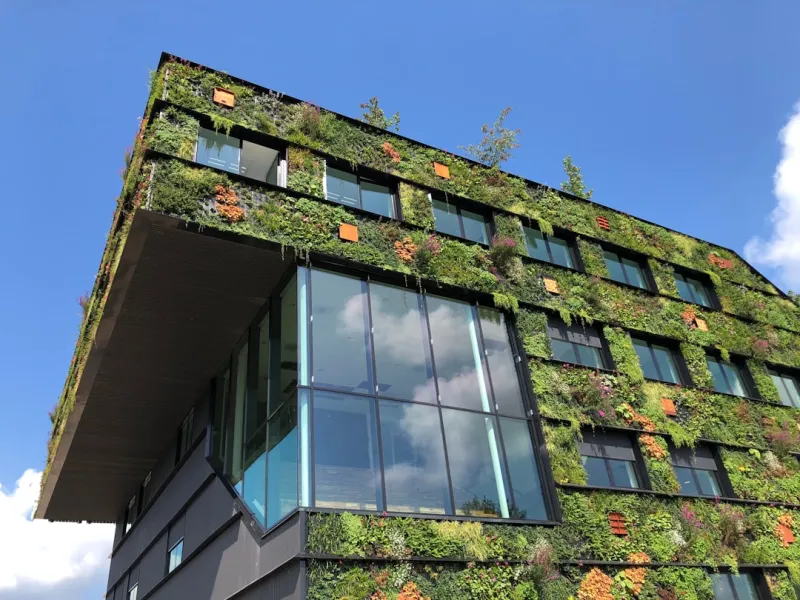
The Future of Design Build: How Sustainable Solutions Are Revolutionizing the Industry
The design build industry is undergoing a significant transformation, driven by the growing demand for sustainable solutions. Learn about the latest trends and ...Read More

When the Washing Machine Won’t Spin: How AR Is Changing Appliance Repair
A deep dive into how augmented reality is reshaping appliance repair, improving technician efficiency, enhancing customer trust, and opening new revenue models ...Read More
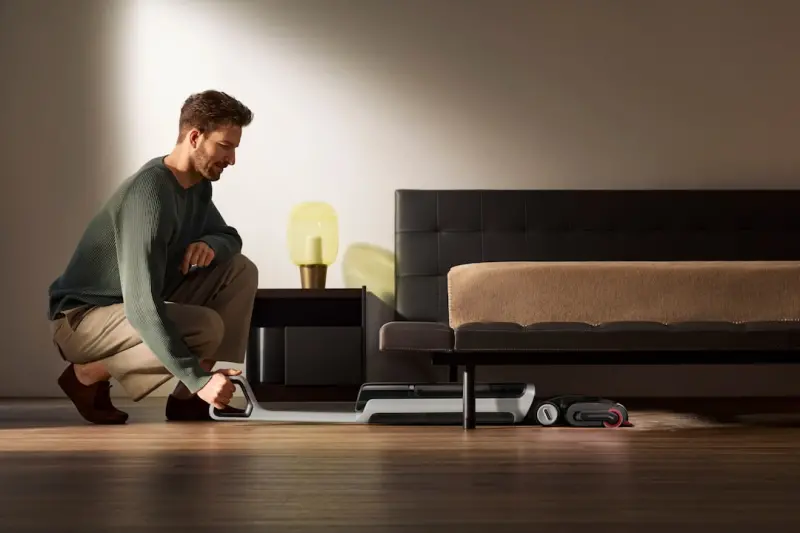
Smart Carpet Care: Turning Floors into a Strategic Wellness Asset
Smart carpet cleaning isn’t just about spotless floors—it’s a proactive health strategy that enhances indoor air quality, reduces absenteeism, and extends...Read More
0 Comments
Post Comment
You will need to Login or Register to comment on this post!