
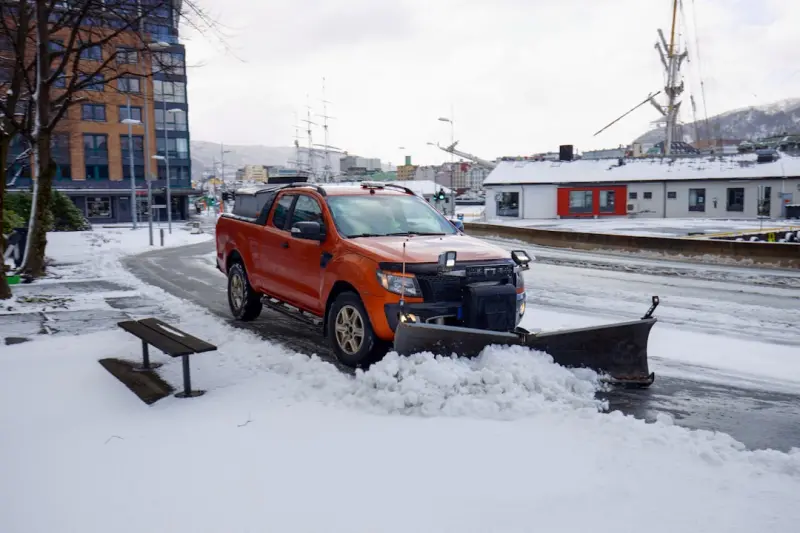
Why a Data‑Driven Approach Is the Missing Link in Snow Management
When I first faced a relentless winter in my suburban neighborhood, I realized that traditional snow removal—manual shovels, noisy plows, and guesswork—was a relic that ignored the wealth of data humming in our connected homes; the solution, I discovered, lay in turning every driveway, walkway, and entryway into an intelligent surface that reports its own condition in real time, enabling homeowners to act before the first flake even lands. By installing low‑profile moisture and temperature sensors beneath the pavement, the system creates a continuous stream of granular information—ambient temperature, precipitation intensity, surface wetness—that feeds into a cloud‑based dashboard, allowing you to see exactly when a snow event will transition from light dusting to a load‑bearing crust. This proactive visibility not only prevents the frantic scramble that most of us endure each morning but also provides a foundation for the next generation of automated snow‑clearing tools to operate with surgical precision.
IoT Sensors: The Eyes and Ears Beneath Your Driveway
The heart of a smart snow‑removal ecosystem is a network of discreet, weather‑resistant sensors placed at strategic points under your concrete or asphalt, each calibrated to detect subtle shifts in temperature gradients and moisture levels that herald the onset of accumulation; these devices communicate via low‑power LoRaWAN or Zigbee protocols, ensuring that even homes without robust Wi‑Fi can participate in the data exchange without draining electricity. Once the sensors register a threshold—say, a surface temperature hovering just above freezing while humidity spikes—they trigger alerts that can be visualized on a mobile app, allowing you to schedule equipment deployment minutes before the snow becomes a hazardous obstacle. Over time, the collected dataset builds a micro‑climate profile unique to your property, revealing patterns such as north‑facing slopes that retain ice longer, enabling hyper‑targeted interventions that save both time and labor.
AI Forecasting: Turning Raw Numbers Into Actionable Insight
While raw sensor data offers a snapshot, the real magic happens when artificial intelligence ingests that information alongside regional weather forecasts, historical snowfall trends, and even satellite imagery to predict the exact depth and density of snow that will settle on your property within the next six hours; sophisticated machine‑learning models, trained on thousands of winter scenarios, can differentiate between light, fluffy powder that melts quickly and heavy, water‑laden snow that clings stubbornly to surfaces, allowing the system to recommend the optimal removal strategy. For example, the AI may suggest deploying a low‑impact electric snow‑blower for a predicted 2‑inch light dusting, while reserving a high‑torque, heated plow for an anticipated 6‑inch wet snow that could otherwise cause structural strain on driveways. These recommendations appear as concise, timed action items on your dashboard, complete with estimated energy consumption and cost projections, turning what used to be a gut‑feel decision into a data‑backed plan.
Automation at the Edge: Robotic Shovels and Heated Plows
Armed with precise forecasts, the next step is to let autonomous equipment do the heavy lifting; modern robotic snow shovels equipped with GPS, lidar mapping, and adaptive torque control can navigate a pre‑programmed route, adjusting blade angle and speed on the fly based on real‑time feedback from the embedded sensors, ensuring a uniform, ice‑free surface without the need for human intervention. For larger properties, heated plows—integrated with electric heating elements powered by the home’s renewable energy system—can melt snow on contact, eliminating the need for chemical deicers and reducing runoff that harms nearby vegetation. The beauty of this edge automation lies in its ability to operate during the night or early morning, when electricity rates are lower, and to pause automatically if the sensors detect a sudden temperature rise that would cause melting to occur naturally, thereby conserving energy and extending equipment lifespan.
Predictive Maintenance: Extending the Life of Your Gear
One often‑overlooked benefit of a connected snow‑removal setup is its capacity for predictive maintenance, where the same sensor network that monitors snowfall also tracks vibration, motor temperature, and battery health of the autonomous equipment, uploading anomaly data to a cloud‑based analytics engine that flags potential failures before they manifest as costly breakdowns; this approach mirrors the strategies used in industrial IoT, where downtime is minimized through condition‑based servicing rather than fixed schedules. By receiving alerts such as “blade wear approaching 80% of expected lifespan” or “battery capacity dropping below optimal threshold,” you can schedule service visits during off‑season periods, avoiding the rush‑hour scramble when everyone is battling the next storm. The result is a smoother, more reliable snow‑clearing operation that not only protects your investment but also ensures that your property remains safe and accessible throughout the winter months.
Cost‑Benefit Analysis: When Smart Snow Removal Pays Off
Implementing a data‑driven snow‑removal system may appear costly at first glance, but a thorough cost‑benefit analysis often reveals a rapid return on investment; consider the following breakdown:
- Equipment Savings: Automated shovels and heated plows consume up to 40% less electricity than conventional gas‑powered machines when paired with AI‑optimized run times.
- Labor Reduction: By eliminating manual shoveling, homeowners save an average of 8–10 hours per season, translating to lower overtime wages if services are outsourced.
- Damage Prevention: Precise removal reduces the risk of driveway cracking and vehicle slip‑and‑fall accidents, potentially saving thousands in repair and liability costs.
When these factors are quantified, many homeowners discover that the upfront sensor and automation costs are offset within the first two winters, especially when combined with energy‑efficiency measures such as retrofit radiant floor heating that can double as a supplemental snow‑melting source for sidewalks. Moreover, utility companies often offer rebates for installing low‑carbon, smart‑grid‑compatible devices, further accelerating the payback timeline.
Eco‑Friendly Deicing: Reducing Chemical Footprint
Traditional salt and calcium chloride deicers, while effective, leach into groundwater, corrode metal, and damage concrete over time; a data‑driven system enables the strategic use of alternative, environmentally benign solutions—such as magnesium chloride blends, beet‑based brines, or even heated pavement sections—that are applied only where sensor data confirms a genuine ice‑formation risk, minimizing waste and ecological impact. By integrating the deicing schedule with the AI forecast, the system can pre‑emptively activate a heated strip along high‑traffic zones, allowing the snow to melt naturally without the need for any chemical additives, preserving nearby plant life and reducing maintenance costs associated with salt corrosion. This approach not only aligns with growing sustainability goals but also positions homeowners to meet increasingly strict municipal regulations on deicer usage.
Synergy With Home Energy Systems
The true power of a connected snow‑removal platform emerges when it talks to other smart home subsystems, creating a harmonious energy ecosystem; for instance, the heated plow can draw surplus electricity from a solar array during midday, storing excess energy in a home battery that later powers the equipment during peak evening snowfall, thereby flattening the household’s overall demand curve. Integrating with smart thermostats allows the system to temporarily raise indoor temperatures to divert heat to exterior surfaces, a technique known as “heat borrowing,” which can accelerate snow melt without resorting to additional energy sources. By leveraging the existing infrastructure outlined in our guide to sustainable waterproofing, homeowners can ensure that the extra moisture generated by melting snow is efficiently drained away, protecting foundations and reducing the risk of mold growth.
Insurance and Safety Benefits: More Than Just Convenience
Beyond convenience and cost savings, a proactive snow‑removal strategy can have measurable impacts on insurance premiums and liability risk; many insurers offer discounts to properties equipped with automated safety systems that demonstrably reduce slip‑and‑fall incidents, as the data logs from sensors and equipment provide verifiable proof of timely snow and ice mitigation. Additionally, the continuous monitoring of surface conditions creates a documented trail that can be invaluable in dispute resolution, showing that the homeowner took reasonable steps to maintain a safe environment. This layered protection—combining real‑time alerts, automated clearing, and predictive maintenance—offers peace of mind not only to the homeowner but also to visitors, neighbors, and service providers who rely on safe access throughout the winter season.
The Road Ahead: Embracing a Smarter Winter Landscape
As climate patterns shift and winter weather becomes increasingly unpredictable, the adoption of IoT‑enabled, AI‑driven snow management will move from a niche innovation to a mainstream necessity, redefining how we interact with the cold season; early adopters will set the benchmark for efficiency, sustainability, and safety, encouraging manufacturers to develop even more refined sensors, battery‑rich autonomous vehicles, and interoperable platforms that speak fluently across smart‑home ecosystems. For homeowners ready to future‑proof their property against the next snowfall, the first step is simple: assess your driveway’s exposure, install a modest sensor array, and partner with a reputable AI service provider to begin translating raw data into actionable, automated snow‑removal plans. In doing so, you’ll not only reclaim valuable time and resources but also contribute to a cleaner, safer, and more resilient community, one snow‑free step at a time.

Lifan Chen is a freelancer based in Toronto specializing in marketing. With expertise in crafting effective marketing strategies and campaigns, Lifan helps businesses grow their brand presence and reach target audiences. As a Toronto-based freelancer, Lifan combines local market insights with creative marketing skills to deliver tailored solutions for clients.
Related Posts
How AI Is Redefining Snow Removal for Modern Enterprises
Snow removal is evolving from a seasonal chore into a data‑driven, strategic operation. Learn how ... Read More
Snow Removal Secrets: A Sustainable, Smart Home Approach
Discover sustainable snow removal tactics that blend smart technology, green de‑icers, and proacti... Read More
The Ultimate Guide to Snow Removal: Tips, Techniques, and Best Practices
Snow removal is a crucial task during the winter months. Learn the best practices for clearing snow ... Read More
Top Posts
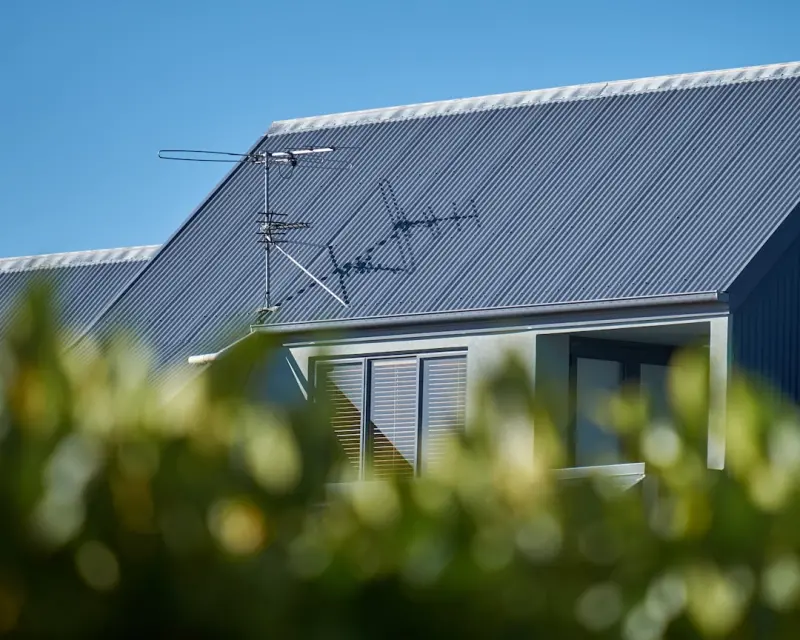
Dynamic Weatherproofing: Turning Your Home Into a Smart Shield
Learn how to upgrade traditional weatherproofing with flexible membranes and smart IoT systems, creating a home that anticipates storms, cuts energy costs, and ...Read More
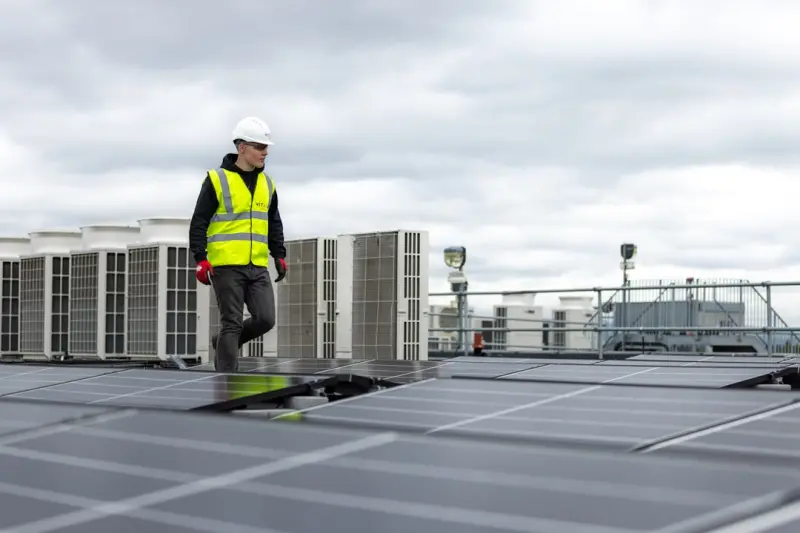
Turning HVAC Into a Predictive Profit Engine
Predictive maintenance turns HVAC from reactive repairs into a revenue driver. Learn how sensors, digital twins, and service subscriptions can boost profitabili...Read More

Designing a Year‑Round, Multi‑Functional Deck That Works for Everyone
Learn to transform a basic deck into a year‑round, multi‑functional outdoor living space with durable materials, smart tech, pet‑friendly design, and lowâ...Read More

Breathing New Life into Old Furniture: A Story‑Centric Restoration Playbook
Explore a step‑by‑step, story‑focused method for restoring furniture that honors its history, uses sustainable practices, and equips hobbyists and profess...Read More
0 Comments
Post Comment
You will need to Login or Register to comment on this post!