
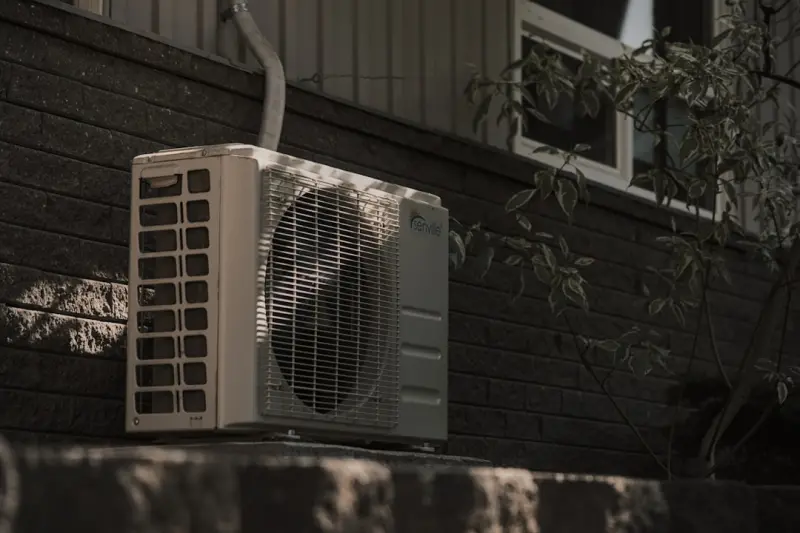
When I first walked into a newly‑renovated office tower in Shanghai, the first thing I noticed wasn’t the sleek glass façade or the polished concrete floor – it was the silence. No humming, no whirring, no subtle vibration that you’d expect from a massive HVAC plant humming in the background. It felt almost unnatural, and that’s exactly why I was drawn to explore the quiet revolution that’s reshaping heating and air‑conditioning design today.
The Hidden Cost of Noise in Traditional HVAC
Most of us think of heating and cooling in terms of temperature control, energy efficiency, or even carbon footprints. Yet, an often‑overlooked dimension is acoustic impact. According to the World Health Organization, prolonged exposure to indoor noise levels above 45 dB can increase stress, reduce productivity, and even impair sleep quality. Traditional air‑handling units, especially those retrofitted into older buildings, can easily breach that threshold.
In my own projects, I’ve seen tenants complain about “the constant buzz” during conference calls, or facility managers scramble to schedule maintenance because a noisy fan is triggering false alarms in building‑automation systems. The hidden cost isn’t just a matter of comfort – it translates directly into higher turnover, lower tenant satisfaction scores, and an invisible drain on the bottom line.
What Makes a HVAC System Quiet?
Achieving genuine quietness isn’t about simply swapping out a louder fan for a quieter one. It’s a holistic approach that integrates:
- Advanced Motor Technology – Variable‑frequency drives (VFDs) and brushless DC motors reduce mechanical noise by adjusting speed to the exact demand, eliminating the “full‑blast” operation that creates the loudest whine.
- Acoustic Enclosures – Sound‑absorbing panels, vibration isolators, and double‑wall ductwork act as a physical barrier, preventing noise transmission to occupied zones.
- Smart Airflow Design – Optimizing duct size, reducing bends, and employing laminar flow diffusers cut turbulence, which is a major source of aerodynamic noise.
- Low‑Noise Fans & Blowers – Axial fans with backward‑curved blades and centrifugal blowers engineered for low‑sound pressure levels.
- Integrated Control Strategies – Using real‑time data to modulate fan speed and compressor cycles, ensuring the system runs only as hard as needed.
Each of these components can be sourced individually, but the real magic happens when they’re orchestrated by a central intelligence that understands both the thermal and acoustic demands of the space.
Data‑Driven Silence: The Role of Predictive Analytics
While the above hardware measures set the stage, the performance envelope of a quiet HVAC system is defined by data. By feeding vibration, sound‑pressure, and temperature sensors into a predictive algorithm, you can anticipate when a component is about to become noisy and intervene before occupants notice. This is where predictive maintenance insights become a game‑changer – not just for equipment lifespan, but for maintaining an acoustic baseline that meets health‑focused standards.
Imagine a scenario where the system detects a 2 dB rise in fan vibration during a hot afternoon. Instead of waiting for a maintenance ticket, the algorithm schedules a brief off‑peak recalibration, adjusts the VFD setpoints, and sends a notification to the facilities team. The result? No audible disruption and a longer lifespan for the fan.
Designing for the Human Ear: Personal Comfort Zones
Human comfort is multidimensional. While temperature, humidity, and air quality are the classic triad, acoustic comfort is an emerging fourth pillar. Modern design studios are now mapping “personal comfort zones” that combine thermal comfort indices (like PMV) with acoustic thresholds. The goal is to deliver a holistic comfort envelope that adapts to individual preferences.
One practical implementation is the use of personalized air diffusers at workstations. These small, quiet units deliver micro‑climates – a gentle breeze for a warm day or a subtle warm puff for a chilly afternoon – without adding significant background noise. Because they operate at low flow rates and are mounted directly at the occupant level, the need for high‑capacity, noisy central fans diminishes.
Integrating Low‑Noise HVAC with the Building Envelope
The building envelope and HVAC are no longer isolated systems. A well‑insulated façade, high‑performance glazing, and strategic shading reduce the heating and cooling loads, allowing the mechanical system to operate at lower speeds and, consequently, at lower noise levels.
For a tangible example, check out the case study on adaptive glazing and smart frames. By dynamically adjusting solar gain, the building cut its cooling demand by 30 %. The smaller load meant the central air‑handling unit could run at 40 % of its peak capacity, which translated into a 10‑dB reduction in overall indoor noise.
Renewable Energy Meets Quiet Operation
Solar thermal collectors and geothermal heat pumps are gaining traction as clean energy sources for heating and cooling. However, their integration often introduces new acoustic challenges – think of the rhythmic clicks of a geothermal compressor or the whine of a solar‑driven chiller.
Manufacturers are now designing “silent‑mode” heat exchangers that incorporate variable‑speed compressors and low‑frequency inverter technology. These units can ramp up and down gently, eliminating the abrupt start‑stop noise spikes that traditionally plagued renewable HVAC setups.
Case Study: A Quiet Retrofit for an Urban Co‑Working Hub
Last year I consulted on a retrofit for a 12‑story co‑working space in downtown Singapore. The original system consisted of two oversized rooftop chillers, each equipped with conventional centrifugal fans that produced a constant 55 dB background hum – audible even in the quietest focus rooms.
The retrofit strategy involved three pillars:
- Decentralized Mini‑Split Units – High‑efficiency ductless systems with built‑in VFDs replaced the bulkier rooftop units, reducing the need for long duct runs.
- Acoustic Duct Lining – Existing ducts were retrofitted with high‑density mineral wool lining, cutting transmission loss by 12 dB.
- Smart Controls & Analytics – An integrated BMS pulled data from sound level meters placed throughout the floor. The analytics platform flagged any zone exceeding 45 dB and automatically adjusted fan speeds.
Within three months, the average indoor noise level dropped to 38 dB, well below the WHO threshold. Tenant surveys showed a 27 % increase in perceived comfort and a 15 % boost in reported productivity during collaborative sessions.
The Business Case: ROI on Silence
While the initial capital outlay for low‑noise solutions can be higher than conventional equipment, the return on investment manifests in several ways:
- Higher Occupant Retention – Studies show that acoustic comfort directly correlates with lease renewal rates. A quieter environment can increase lease extensions by 8‑12 %.
- Reduced Maintenance Costs – Predictive analytics that monitor vibration and sound can cut unscheduled maintenance events by up to 30 %.
- Energy Savings – Operating fans at lower speeds reduces electricity consumption by 10‑15 % without sacrificing thermal performance.
- Brand Differentiation – Buildings marketed as “well‑being centric” command premium rents, especially in premium office markets where talent attraction is fierce.
Future Trends: From Quiet to Invisible
The next frontier is not just quietness but “invisibility.” Imagine a building where the HVAC system is so silent that occupants forget it exists, allowing them to focus entirely on their work, rest, or recreation. Emerging technologies that will push us toward this vision include:
- Magnetic Levitation Fans – By eliminating mechanical contact, these fans promise near‑zero vibration and acoustic output.
- Thermoacoustic Refrigeration – Uses sound waves to pump heat, turning noise into a cooling mechanism – a true reversal of the traditional problem.
- AI‑Driven Adaptive Scheduling – Systems that learn occupancy patterns to pre‑condition spaces during off‑peak hours, ensuring that peak‑time operation runs at minimal capacity.
Actionable Takeaways for Facility Leaders
If you’re considering a shift toward a quieter HVAC environment, start with these practical steps:
- Audit Acoustic Baseline – Deploy handheld sound level meters to map current dB levels across zones.
- Prioritize High‑Impact Zones – Focus on spaces where acoustic comfort directly impacts performance: conference rooms, open‑plan areas, and wellness spaces.
- Invest in Smart Controls – Leverage existing BMS platforms to integrate sound sensors and enable real‑time fan speed modulation.
- Partner with Low‑Noise Manufacturers – Look for certifications such as IEC 60335‑2‑40 (low‑noise fans) and inquire about acoustic test data.
- Plan for Predictive Maintenance – Adopt the same data‑driven approach highlighted in continuous energy inspection to keep both noise and energy footprints low.
In the end, the quiet revolution isn’t just a technical upgrade – it’s a cultural shift toward placing human well‑being at the heart of building performance. By listening to the silent language of our spaces, we can design HVAC systems that truly serve the people inside them.

Lifan Chen is a freelancer based in Toronto specializing in marketing. With expertise in crafting effective marketing strategies and campaigns, Lifan helps businesses grow their brand presence and reach target audiences. As a Toronto-based freelancer, Lifan combines local market insights with creative marketing skills to deliver tailored solutions for clients.
Related Posts
Predictive HVAC: Turning Climate Control into a Competitive Advantage
Predictive HVAC shifts climate control from reactive fixes to data‑driven optimization, delivering... Read More
The Smart Thermostat Revolution: Turning Your HVAC into a Home Energy Coach
A deep dive into how predictive zoning, grid integration, and open standards are turning today’s s... Read More
AI‑Powered HVAC Zoning: Turning Comfort Into a Business Advantage
A deep dive into AI‑driven zoning and predictive maintenance reveals how HVAC can shift from a bac... Read More
Top Posts

Effective Property Maintenance: The Key to Preserving Your Investment
Regular property maintenance is crucial to preserving your investment. Learn effective tips and strategies to prevent costly repairs, improve energy efficiency,...Read More

Foundations Reimagined: Building Resilience, Sustainability, and Intelligence from the Ground Up
A deep dive into how modern foundations are evolving beyond static bases to become climate‑resilient, sustainable, and data‑driven platforms that boost buil...Read More
Shade and Style: Transforming Outdoor Spaces with Smart Awnings
Explore the art of selecting, installing, and maintaining smart awnings that blend style, sustainability, and technology for a year‑round outdoor haven....Read More

The Sustainable Revival of Furniture Restoration
Furniture restoration is an art form that requires patience, skill, and a deep understanding of materials and techniques. By embracing sustainable practices, we...Read More
0 Comments
Post Comment
You will need to Login or Register to comment on this post!