
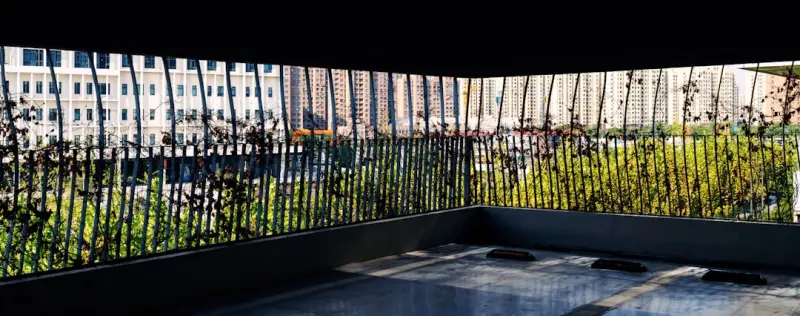
Why Green Waterproofing Matters More Than Ever
Homeowners are waking up to the hidden costs of traditional waterproofing, where petro‑based membranes and chemical sealants leave a lasting ecological footprint while offering only temporary peace of mind. Choosing sustainable materials not only reduces volatile organic compounds (VOCs) that can infiltrate indoor air but also aligns your property with broader climate‑friendly goals that many neighborhoods now prioritize. By treating waterproofing as a component of preventive maintenance, you create a proactive shield that lasts longer and demands fewer invasive repairs.
The market now offers a growing suite of bio‑based sealants, recycled‑rubber membranes, and plant‑derived coatings that perform on par with their synthetic cousins when applied correctly. These products often feature breathability, allowing moisture to escape from interior spaces while keeping external water out—a balance that traditional “impermeable” solutions struggle to achieve. Embracing these options means you’re less likely to encounter mold growth, structural rot, or the costly remediation that follows, protecting both health and resale value.
Beyond material choice, a sustainable waterproofing strategy integrates smart monitoring technologies that alert you to moisture intrusion before it becomes visible. Sensors placed in critical zones transmit real‑time data to your phone, enabling swift action that can prevent small leaks from escalating into major failures. This marriage of green products and digital vigilance represents the next evolution in home resilience, marrying environmental stewardship with cutting‑edge convenience.
Eco‑Friendly Materials and Their Real‑World Applications
One of the most promising innovations is the use of hemp‑based sealants, which combine natural fibers with bio‑resins to form a flexible, water‑resistant barrier suitable for foundations, balconies, and even roof decks. Hemp’s rapid growth cycle and low agricultural inputs make it a carbon‑negative choice, turning the waterproofing process itself into a carbon‑sequestering activity. When applied in layers, these sealants create a durable skin that flexes with building movement, reducing the risk of cracks that commonly lead to leaks.
Recycled‑rubber liners, sourced from post‑consumer tires, provide another robust option for areas subject to heavy foot traffic and water exposure, such as pool decks and walk‑out basements. Their high elasticity absorbs impact while maintaining watertight integrity, and their reuse of waste rubber diverts millions of tires from landfills each year. Installation involves a simple adhesive system that bonds the rubber to prepared substrates, offering a DIY‑friendly pathway for environmentally conscious homeowners.
For interior wall applications where aesthetics matter, plant‑based liquid coatings can double as decorative finishes, delivering a seamless look while forming a moisture‑blocking layer. These coatings often contain natural pigments and can be tinted to match existing décor, eliminating the need for separate paint jobs. Pairing them with eco‑friendly painting techniques creates a cohesive, low‑impact interior environment that resists water ingress without sacrificing style.
Integrating Sustainable Waterproofing with Smart Home Systems
Modern smart home hubs now support moisture‑sensor integration, allowing you to set thresholds that trigger alerts or even activate automated drainage pumps when water levels rise. By linking these sensors to your waterproofing system, you create a feedback loop where the building’s defenses adapt in real time, reducing reliance on manual inspections and reactive repairs. This approach not only extends the life of your waterproofing layers but also provides peace of mind during heavy rains or unexpected plumbing failures.
Another emerging trend is the use of solar‑powered dehumidifiers that work in tandem with green sealants to maintain optimal humidity levels in crawl spaces and basements. These devices draw on renewable energy to extract excess moisture, preventing condensation that could compromise even the best eco‑sealants. The combination of solar energy, breathable membranes, and intelligent monitoring forms a holistic defense that respects both the environment and your budget.
Finally, documenting your sustainable waterproofing efforts within a digital maintenance log can enhance property value and streamline future renovations. By recording product types, installation dates, and sensor data, you build a transparent history that appeals to eco‑focused buyers and insurers alike. This data-driven narrative not only showcases your commitment to sustainability but also serves as a practical guide for ongoing upkeep, ensuring that your green waterproofing solution remains effective for decades to come.

Craig Brett is a freelancer with a passion for the outdoors. His love for nature inspires his work, bringing authentic and engaging perspectives to projects related to outdoor activities, adventure, and environmental topics.
Related Posts
Waterproofing as a Strategic Asset: Data‑Driven Protection for Modern Facilities
Explore how integrating moisture sensors, AI analytics, and modular barrier systems transforms water... Read More
Waterproofing as a Competitive Edge: Protecting Assets and Boosting Bottom Lines
Waterproofing is reframed as a strategic asset that mitigates risk, extends asset life, and improves... Read More
Beyond the Leak: Redefining Waterproofing for Resilient Spaces
A fresh take on waterproofing reveals it as a dynamic, breathable system that enhances building resi... Read More
Top Posts
Solar Energy for Everyone: Community Power, Storage, and the Future of Clean Living
Explore how community solar, home battery storage, and agrivoltaics are democratizing clean energy, offering practical steps for households and neighborhoods to...Read More

Turn Snow Removal Into a Winter Fitness Challenge
Learn to transform the dreaded chore of shoveling snow into a purposeful winter workout that builds strength, lifts mood, and creates side‑income opportunitie...Read More

From Dusty Attic Finds to Centerpiece Statements: A Modern Guide to Furniture Restoration
Explore a fresh approach to furniture restoration that blends traditional craft with low‑tech tools, sustainable materials, and design strategies to turn vint...Read More
Elevate Your Home: Transforming Roofs into Outdoor Sanctuaries
Explore the journey of turning an ordinary roof into a vibrant outdoor retreat, blending design, greenery, and lasting protection for a new level of home living...Read More
0 Comments
Post Comment
You will need to Login or Register to comment on this post!