

When I first pulled a dent out of a neighbor’s dented mailbox with a pair of pliers, I realized that the true magic of a handyman isn’t just in the toolbox—it’s in the mindset. I’ve spent years hopping from leaky faucet to squeaky floorboard, and along the way I’ve learned that the most satisfying fixes share a common thread: they turn ordinary chores into small moments of triumph. In this post, I’m sharing the fresh, hands‑on strategies that are reshaping the handyman world today, from micro‑logistics to community‑driven skill swaps, and why they matter to anyone who wants to keep a space humming without breaking the bank.
Micro‑Logistics: Bringing the Workshop to the Doorstep
Traditional handyman services have long followed a “truck‑and‑tool” model: a van rolls in, the technician unloads a mountain of gear, and the job begins. While this works for major remodels, it’s overkill for the everyday hiccups that most homeowners face—think a loose cabinet hinge or a stubborn light switch.
Enter the mobile micro‑workshop. Think of it as a curated toolbox that fits in a backpack, paired with a compact, cloud‑based inventory system. Here’s how it works:
- Pre‑Visit Diagnostics: Clients upload a short video of the issue via a simple app. AI scans the footage, suggests the likely cause, and flags which tools are needed.
- Tool Pods: Instead of hauling a full-size toolbox, the handyman prepares a “pod” containing just the essentials—tiny screwdrivers, a pocket-sized multimeter, a flexible inspection camera, and a few specialty bits.
- On‑Site Swaps: If a job expands beyond the pod’s capacity, a nearby “tool depot” (often a local hardware store partner) can deliver a single additional item within minutes, keeping the service fast and efficient.
This model not only cuts fuel costs and reduces the environmental footprint, but it also speeds up response times. A client who once waited two days for a service call now gets a fix in under an hour—often before the coffee even cools.
Skill Swaps: Turning Neighbors Into Collaborative Handymen
Imagine a neighborhood where the resident who’s great at tiling helps the one who’s an electrical wizard, and vice‑versa. This isn’t a utopian fantasy; it’s a practical, low‑cost ecosystem called the Handyman Skill Swap. Here’s why it’s gaining traction:
- Shared Trust: People are more likely to let a neighbor into their home when there’s a mutual exchange of expertise.
- Cost Efficiency: Instead of hiring a professional for a $150 repair, two homeowners trade services, saving money while learning new tricks.
- Community Resilience: When a storm knocks out power or a pipe bursts, a pre‑organized swap network can mobilize quickly, reducing downtime for everyone.
Platforms facilitating these swaps now include rating systems, quick scheduling, and even insurance add‑ons that protect both parties. If you’re curious about how to start one in your area, check out this guide on unlocking hidden potential in everyday spaces—the same principles apply when you’re unlocking human potential.
Eco‑Friendly Handyman Practices That Actually Pay Off
Environmental buzzwords have flooded the home‑improvement market, but many “green” solutions feel like marketing fluff. Below are three actionable practices that genuinely reduce waste and can even lower utility bills.
1. Re‑Use Before You Replace
Before you toss an old cabinet door, consider sanding, repainting, or adding new hardware. A fresh coat of low‑VOC paint can breathe new life into a tired piece, and swapping out just the knobs can modernize a kitchen without a full remodel.
2. Opt for Low‑Flow Fixtures
Installing low‑flow showerheads and faucet aerators reduces water consumption by up to 30 %. The savings on the water bill become noticeable within months, and the installation typically takes under 15 minutes—a perfect quick‑win for any handyman.
3. Choose Recyclable Materials
When a repair requires new components, prioritize items labeled as recyclable or made from reclaimed wood or metal. Many local suppliers now stock “green” brackets, hinges, and even reclaimed stone tiles that perform just as well as brand‑new equivalents.
These small adjustments stack up, turning a series of simple repairs into a larger sustainability story you can proudly share with clients.
Digital Assistants: The Handyman’s New Co‑Pilot
While we’ve all seen the hype around AI, its real value for handymen lies in the mundane, repetitive tasks that eat up time. Here’s a snapshot of how a digital assistant can become an indispensable sidekick:
- Instant Parts Lookup: Say you need a specific type of toggle bolt. By speaking to a voice‑activated assistant, you receive a list of nearest stock locations, price comparisons, and even compatibility notes.
- Step‑by‑Step Guidance: For less‑common repairs—like aligning a sliding barn door—the assistant can pull up a short video, pause at each critical step, and even overlay AR markers on the client’s phone camera.
- Automated Billing: After the job, the assistant generates an itemized invoice, syncs it with accounting software, and sends a payment link—all without lifting a pen.
These capabilities free up mental bandwidth, letting the handyman focus on the tactile, creative aspects of the work.
Safety First: Redefining the Handyman’s Personal Protective Gear
Traditional safety gear—hard hats, gloves, goggles—remains essential, but new innovations are making protection smarter and more comfortable.
Smart Gloves
Embedded with pressure sensors, smart gloves alert you when you’re applying too much force, reducing the risk of stripped screws or cracked plaster. Some models even vibrate when they detect hazardous temperatures, protecting your hands from burns.
Helmet‑Integrated Lighting
Instead of juggling a separate flashlight, a lightweight LED strip wraps around the brim of a hard hat, providing hands‑free illumination that follows your line of sight. This is a game‑changer for low‑visibility spaces like crawlspaces or attics.
Breathable, Cut‑Resistant Clothing
Modern fabrics combine high‑visibility colors with cut‑resistance and moisture‑wicking technology, keeping you safe without overheating during summer projects.
Investing in these upgrades not only reduces accidents but also projects a professional image that can command higher rates.
Monetizing the Handyman Skill Set: From One‑Off Jobs to Subscription Care Plans
While subscription models have already shaken up larger services—think “Waterproofing as a Service”—the same concept is now trickling down to the independent handyman. A subscription plan might look like this:
- Quarterly Home Health Check: A 30‑minute visit to inspect plumbing, electrical panels, and HVAC filters.
- Annual Minor Repairs Credit: Clients receive a $150 credit each year to apply toward small fixes—like fixing a leaky faucet or tightening a door hinge.
- Priority Scheduling: Subscribers get first dibs on emergency slots, ensuring rapid response when a pipe bursts or a power outage strikes.
This model creates predictable cash flow for the handyman while giving homeowners peace of mind. It’s a win‑win that turns sporadic, reactive repairs into a proactive maintenance relationship.
Case Study: The “Mini‑Renovation” Service That Turned a Small Town Around
In a town of 8,000 residents, a local handyman collective launched a “Mini‑Renovation” package targeting homeowners who wanted to refresh a room without a full remodel. The offering included:
- Painting one accent wall with a custom color palette.
- Replacing outdated light fixtures with energy‑efficient LEDs.
- Installing a set of new floating shelves.
Within six months, the collective saw a 45 % increase in repeat bookings, and homeowner surveys reported a 30 % rise in perceived home value. The success hinged on clear, limited scope—making the service affordable and easy to schedule.
If you’re looking to emulate this model, start by defining a “starter kit” of fixes that can be completed in under two hours, price it competitively, and market it as a quick‑impact upgrade.
Future‑Proofing Your Handyman Business with Community Partnerships
Longevity in the handyman trade isn’t just about skill; it’s about relationships. Form strategic partnerships with:
- Local Real Estate Agents: Offer move‑in/move‑out inspection services, turning a simple walkthrough into a revenue source.
- Property Management Companies: Provide bulk‑discounted maintenance contracts, guaranteeing steady work across multiple units.
- Hardware Stores: Set up “tool‑share” stations where you can borrow specialty equipment on a per‑job basis, reducing your own inventory costs.
These alliances broaden your referral network, keep you top‑of‑mind when homeowners need a quick fix, and create cross‑promotion opportunities that boost visibility.
Wrapping Up: The Handyman as a Community Catalyst
At its core, the handyman role is evolving from a solitary fixer‑upper to a community catalyst—someone who not only repairs but also educates, connects, and empowers. By embracing micro‑logistics, fostering skill swaps, adopting eco‑friendly practices, leveraging digital assistants, upgrading safety gear, and exploring subscription models, you position yourself at the forefront of a new era of home care.
If you’re ready to step into this future, start small: reorganize your toolkit for efficiency, join a local skill‑swap group, and experiment with a single subscription offering. The ripple effect will surprise you, turning everyday repairs into lasting relationships and sustainable growth.

When it comes to the world of blogging and writing, Rose DesRochers is a name that stands out. Her passion for creating quality content and connecting with her audience has made her a trusted voice in the industry. Aside from her skills as a writer and blogger, Rose is also known for her compassionate nature.
Related Posts

Sustainable Home Renovations: A Comprehensive Guide
Sustainable home renovations reduce environmental impact, improve indoor air quality, and save money... Read More
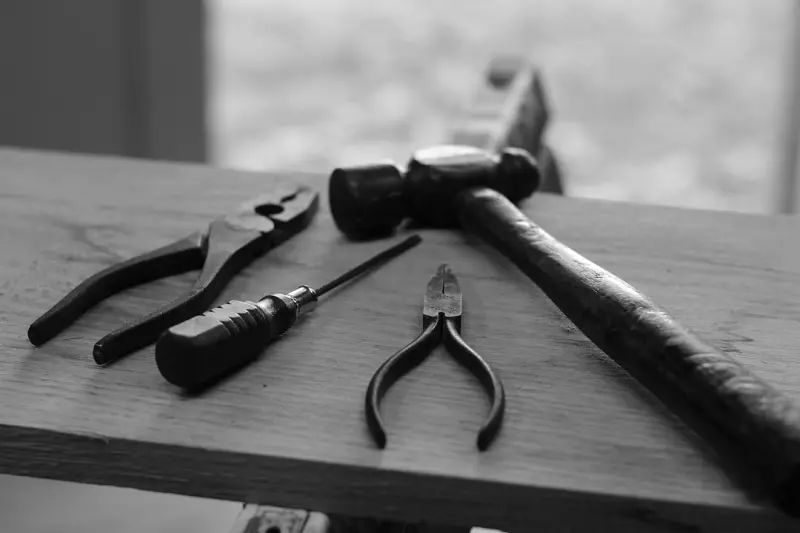
The Handyman’s New Role as a Tech‑Savvy Home Ally
Today's handyman is a tech‑savvy consultant who uses remote diagnostics, AR overlays, and data‑d... Read More

The Handyman’s Mobile Toolkit: How Digital Workflows Boost Efficiency
A modern handyman can dramatically improve productivity by adopting a lightweight, modular tool kit ... Read More
Top Posts
The Interconnection Between Foundation Repair and Sustainable Home Design
Explore the intricate relationship between foundation repair and sustainable home design. Learn how prioritizing sustainable practices can ensure a stable, secu...Read More
The Impact of Sustainable Garage Doors on Home Energy Efficiency
Sustainable garage doors play a significant role in maintaining a home's energy efficiency and reducing environmental impact. Learn how to choose the right door...Read More
The Role of Flooring in Sustainable Home Restoration
Flooring plays a significant role in sustainable home restoration. Learn about eco-friendly options, benefits, and tips for making environmentally responsible c...Read More

From Tree to Timeless Piece: Redefining Woodworking Craftsmanship
A deep dive into material‑first design, hybrid joinery, sustainable sourcing, and collaborative practices that are reshaping modern woodworking into timeless ...Read More
0 Comments
Post Comment
You will need to Login or Register to comment on this post!