
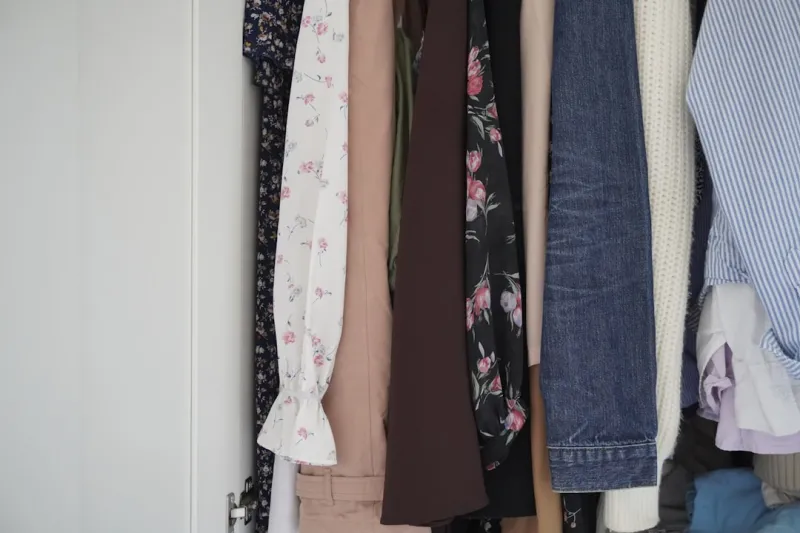
Why Your Closet Needs a Sustainable Overhaul
When I first opened the doors of my own walk‑in wardrobe, I was struck by the sheer amount of unused space and the mountain of fabric waste gathering in the corners. That moment sparked a personal mission: to redesign closets not just for aesthetics but for environmental stewardship, proving that storage can be both beautiful and responsible. By treating every shelf, rod, and drawer as a chance to reduce clutter and carbon, I discovered that a well‑planned closet becomes a silent champion of green living.
Start with a Minimalist Mindset
Before you even purchase a new hanging system, take a step back and ask yourself which items truly deserve a home inside your closet. I’ve learned that a disciplined purge—donating, upcycling, or responsibly recycling garments—creates instant room for smarter organization and dramatically cuts the need for excess furniture. This minimalist approach aligns perfectly with the principles outlined in Handyman Hacks: Sustainable Fixes That Save Money and the Planet, where every small decision adds up to big environmental gains.
Modular Shelving: Flexibility Meets Sustainability
Modular shelving units are the unsung heroes of contemporary storage because they adapt as your wardrobe evolves, eliminating the need for wholesale replacements. I favor reclaimed wood or recycled metal components that not only look sleek but also keep landfill waste to a minimum. When each module can be re‑configured, you’re essentially future‑proofing your closet while embracing the circular economy—a core idea echoed throughout many of our green home guides.
Integrate Smart Lighting for Visibility and Energy Savings
Good lighting does more than showcase your favorite blazer; it reduces the time you spend rummaging for pieces, thereby cutting unnecessary energy use from prolonged light exposure. I installed motion‑sensor LED strips that glow only when the closet doors open, a tiny upgrade that mirrors the energy‑saving tactics discussed in The Hidden Power of Energy Inspections: Cutting Costs and Carbon. These fixtures consume a fraction of traditional bulbs and add a modern touch that makes every outfit selection feel like a runway moment.
Vertical Storage: Make Height Your Ally
Most closets waste valuable vertical real estate, leaving only a handful of low shelves that force you to stack items in a chaotic fashion. By installing high‑up hanging rods, pull‑down baskets, and lofted shoe racks, I transformed a cramped space into a vertically efficient masterpiece. The key is to use sturdy yet lightweight materials—think bamboo or recycled plastic—that support weight without adding bulk, reinforcing the sustainable ethos of building smarter rather than bigger.
Incorporate Sustainable Materials for a Greener Aesthetic
Choosing eco‑friendly fabrics for closet organizers—such as organic cotton liners, hemp rope dividers, or recycled polyester bins—creates a cohesive look that feels intentional and earth‑conscious. I often pair these with low‑VOC finishes on wooden panels to keep indoor air quality high, a practice that dovetails with the strategies found in our broader sustainability series. The result is a space that not only looks good but also contributes positively to the health of your home environment.
Labeling and Color‑Coding: The Unsung Heroes of Order
Simple labeling systems, whether using chalkboard tags, magnetic labels, or color‑coded bins, can dramatically cut the time you spend hunting for that perfect pair of jeans. I rely on a palette of muted greens, blues, and earth tones that echo natural palettes, reinforcing a calming atmosphere that encourages mindful dressing. This organizational clarity mirrors the efficient workflows highlighted in many of our handyman guides, proving that small visual cues can have a massive impact on daily routines.
Maintenance Routines That Extend the Life of Your Closet
Just as a car needs regular oil changes, a closet thrives on periodic maintenance—dusting, tightening hardware, and refreshing liners to prevent wear. I schedule a quick quarterly check, noting any sagging rods or cracked shelves, then apply simple fixes using sustainable tools and materials, a practice championed in our Sustainable Property Maintenance article. By staying proactive, you avoid costly overhauls and keep your storage system performing at peak efficiency for years to come.
The Future‑Forward Closet: Smart Integration Meets Eco‑Design
Emerging technologies, such as app‑controlled climate sensors and inventory trackers, promise to make closets even smarter, adjusting humidity to protect delicate fabrics while alerting you when items sit untouched for months. I’m experimenting with a modest setup that syncs with my phone, reminding me to rotate seasonal pieces and reducing waste from forgotten clothing. This blend of tech and sustainability showcases how modern homeowners can embrace innovation without sacrificing the planet‑first mindset that has guided every upgrade in my storage journey.

Craig Brett is a freelancer with a passion for the outdoors. His love for nature inspires his work, bringing authentic and engaging perspectives to projects related to outdoor activities, adventure, and environmental topics.
Related Posts
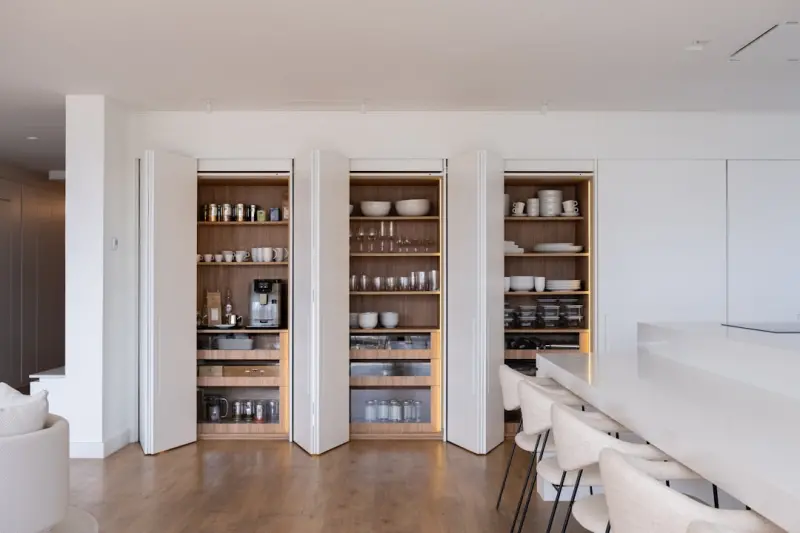
Intelligent Closet Systems: Turning Storage Into a Strategic Asset
A deep dive into turning everyday closets into data‑rich hubs, this post shows how sensor‑enable... Read More

Transform Your Closet Into a Productivity Powerhouse
Learn to treat your closet as a command center with modular systems, smart lighting, and simple habi... Read More

From Clutter to Competitive Edge: Leveraging Modular Storage
A data‑centric, modular approach to closet and storage management can transform wasted space into ... Read More
Top Posts

Beyond Leisure: Turning Your Deck into a Year‑Round Productivity Hub
A deck can be more than a summer retreat. Learn how to upgrade it into a flexible, year‑round productivity zone that supports remote work, collaboration, and ...Read More
Why Your Gutters Need a Sustainable Upgrade
A sustainable gutter system does more than divert water—it protects foundations, harvests rain, and works with smart tech to keep homes dry and eco‑friendly...Read More

Flooring Trends That Blend Style, Sustainability, and Smart Living
Discover how sustainable materials, smart heating integration, and DIY strategies are reshaping flooring choices for modern homes....Read More

Algorithmic Architecture: Crafting Form with Code
Algorithmic architecture merges code with craft, letting designers generate responsive, efficient forms. Learn how parametric tools drive performance, collabora...Read More
0 Comments
Post Comment
You will need to Login or Register to comment on this post!