
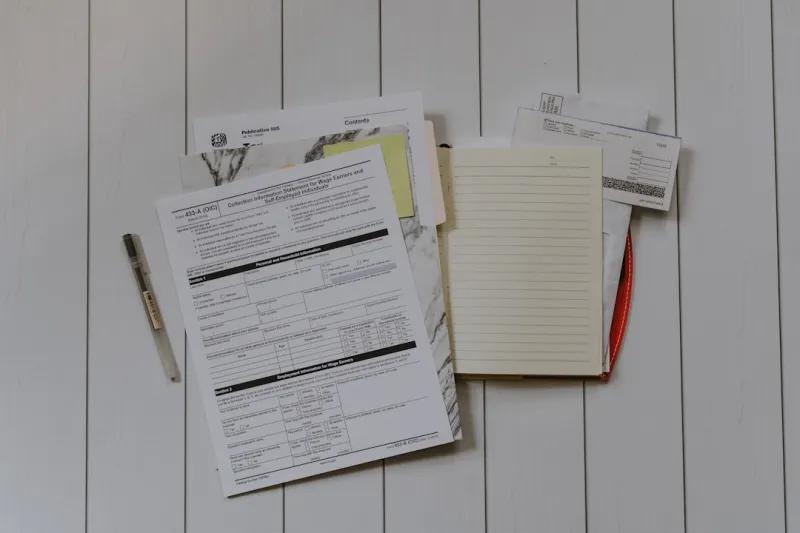
When I first stared at the chaos of a dated living room, I realized that a solid renovation checklist is the backbone of any successful remodel. It starts long before demolition, with a clear vision that answers the questions: What vibe am I chasing? How will the space serve my family for the next decade? I spend hours sketching floor plans, measuring every nook, and noting pain points like drafty corners or outdated wiring. This mental inventory becomes the blueprint for every contractor quote and material order, ensuring nothing slips through the cracks. By committing these thoughts to paper, I transform vague wishes into actionable steps, turning the inevitable stress of renovation into an organized adventure.
Set a Realistic Budget and Prioritize Savings
Budgeting is where dreams meet reality, and I’ve learned to treat it like a living document rather than a static spreadsheet. I begin by allocating a contingency fund—usually 10‑15 % of the total estimate—to cover surprise expenses like hidden water damage or code upgrades. Next, I rank each item on my checklist by “must‑have” versus “nice‑to‑have,” which helps me trim non‑essential luxuries without compromising the core vision. Smart sourcing, such as buying reclaimed wood or seeking out local manufacturers, can shave hundreds off the price tag. I also tap into the hidden power of energy inspections to spot inefficiencies before they become costly; reading The Hidden Power of Energy Inspections showed me how a simple attic seal can save thousands over a home’s life. By aligning my budget with sustainable choices, I not only protect my wallet but also future‑proof the project.
Timeline Management and Contractor Coordination
Time is money, and in renovation, a missed deadline can ripple into chaos. I craft a detailed timeline that breaks the project into phases—demolition, rough‑in, finishes, and final inspection—assigning realistic start and finish dates for each. Communication with contractors becomes a daily ritual: I schedule brief check‑ins, share updated drawings, and confirm material deliveries to avoid idle labor. When a subcontractor falls behind, I have backup trades vetted in advance, ensuring momentum never stalls. I also factor in permit processing times, which vary by municipality, and schedule them early in the process. By treating the schedule as a contract in itself, I keep everyone accountable, reduce costly overruns, and maintain the excitement that fuels the entire remodel.
Energy Efficiency as a Core Checklist Item
Integrating energy efficiency early on is a game‑changer that pays dividends long after the paint dries. I audit the building envelope, looking for gaps in insulation, single‑pane windows, and outdated HVAC systems. Upgrading to high‑performance insulation—something I explored in The Quiet Revolution—can cut heating bills by up to 30 % and dramatically improve comfort. I also prioritize low‑E windows and programmable thermostats, and consider radiant floor heating for its even warmth and reduced energy consumption. By weaving these upgrades into the checklist, I avoid the temptation to bolt on “after‑thought” solutions that are far more expensive and disruptive later.
Materials Selection with Sustainability in Mind
Choosing the right materials is where aesthetics meet responsibility. I lean toward sustainably sourced timber, recycled metal fixtures, and low‑VOC paints that protect indoor air quality. When renovating the kitchen, I followed the principles laid out in A Sustainable Kitchen Renovation That Feels Like Home, selecting bamboo cabinets that age beautifully and reclaimed stone countertops that add gravitas without the carbon footprint of quarry‑cut marble. I also evaluate the lifecycle of each product—how long it will last, how easy it is to repair, and how it can be recycled at the end of its life. This approach not only reduces environmental impact but also ensures the remodel stands the test of time, both functionally and stylistically.
Plumbing and Electrical Upgrades for Modern Living
Outdated plumbing and wiring are silent hazards that can derail a renovation if left unchecked. I start by mapping every pipe and conduit, noting any corrosion, leaks, or undersized lines that could restrict water flow or cause future bursts. Modern trends, like the ones highlighted in The Plumbing Trends Shaping Homes Today, encourage flexible PEX tubing and tank‑less water heaters for efficiency and space savings. On the electrical side, I upgrade to a full‑capacity breaker panel, add dedicated circuits for high‑draw appliances, and install smart switches that integrate with home automation. These upgrades not only meet code but also future‑proof the home, making it ready for electric vehicle chargers, solar arrays, or advanced security systems without a major overhaul.
Indoor Air Quality and Comfort Enhancements
Comfort goes beyond temperature; it’s about breathing easy. I prioritize proper ventilation by installing energy‑recovery ventilators (ERVs) that exchange stale indoor air with fresh outside air while retaining heat. I also incorporate air‑purifying plants and HEPA filtration systems in key rooms, especially the master bedroom and home office where I spend the most time. Sealing gaps around doors and windows, combined with the insulation upgrades mentioned earlier, eliminates drafts that can carry dust and pollen. These small, deliberate actions create a healthier living environment, reducing allergy flare‑ups and boosting overall wellbeing—a benefit that often goes unnoticed until it’s missing.
Finishing Touches That Reflect Personal Style
The final layer of any renovation is the aesthetic details that make a house feel like a home. I choose a cohesive color palette that ties together walls, cabinetry, and textiles, opting for muted tones punctuated by bold accents in accessories. Lighting design plays a starring role; I layer ambient, task, and accent lighting to create mood and functionality. For instance, dimmable LED recessed lights paired with statement pendants over the island add both efficiency and drama. I also incorporate reclaimed architectural elements—like an antique door repurposed as a pantry shelf—that tell a story and add character. These finishing touches, while subtle, elevate the space from merely renovated to truly personalized.
Final Inspection, Documentation, and Long‑Term Maintenance
Once the dust settles, a thorough final inspection is non‑negotiable. I walk through each room, checking that all work aligns with the original checklist, verifying that permits are closed, and ensuring that warranties and manuals are collected from contractors. I compile a master folder—both digital and physical—containing contracts, receipts, inspection reports, and maintenance schedules. This documentation simplifies future repairs and helps preserve resale value. I also establish a seasonal maintenance calendar, noting tasks like gutter cleaning, HVAC filter replacement, and insulation checks. By treating the renovation as an ongoing relationship rather than a one‑time event, I safeguard my investment and keep the home performing at its peak for years to come.
Reflect and Share Your Journey
Renovation is as much an emotional journey as it is a physical transformation. After completion, I take time to reflect on lessons learned—what worked, what didn’t, and how my expectations evolved. I document before‑and‑after photos, jot down cost overruns, and share insights on forums and blogs to help fellow homeowners avoid common pitfalls. Sharing the story not only cements the experience in my memory but also builds a community of DIY enthusiasts and professionals who can support each other’s future projects. In the end, a well‑crafted checklist is more than a list; it’s a roadmap that turns chaos into clarity, ensuring that every renovation not only meets but exceeds expectations.

William Roy is a freelance writer originally from Montreal who moved to Ottawa with his wife of 50 years to be closer to their grandkids. Alongside his writing, William has a passion for fishing.
Related Posts

The Ultimate Renovation Checklist for Acoustic Excellence
A detailed, actionable checklist guides property managers and designers through acoustic planning, m... Read More

The Ultimate Renovation Checklist for a Stress‑Free Home Transformation
Discover a comprehensive renovation checklist that guides you from goal setting to final walk‑thro... Read More

The Ultimate Home Renovation Checklist: Paul Gray's Essential Guide
Paul Gray shares his essential home renovation checklist. Discover how to plan, budget, find the rig... Read More
Top Posts
Why Intelligent Floor Heating Is the Unsung Hero of Modern Workspaces
A deep dive into how intelligent, sensor‑rich floor heating transforms comfort into measurable ROI, integrates with smart power systems, and supports health, ...Read More

Quiet Comfort: Simple Acoustic Upgrades Every Homeowner Can DIY
Learn how to transform noisy rooms into peaceful havens with low‑cost, hands‑on acoustic upgrades—from sealing door gaps and adding rugs to DIY wall panel...Read More

The Evolution of Window Treatments: How Sustainable Solutions Are Revolutionizing the Industry
Explore the evolution of window treatments and learn how sustainable solutions are transforming the industry. From solar shades to smart glass, discover eco-fri...Read More

Living Walls: How Responsive Materials Are Redefining Architectural Design
Responsive materials are giving architecture a new sense of agency. From smart glass that tints on demand to shape‑memory alloys that animate façades, buildi...Read More
0 Comments
Post Comment
You will need to Login or Register to comment on this post!