
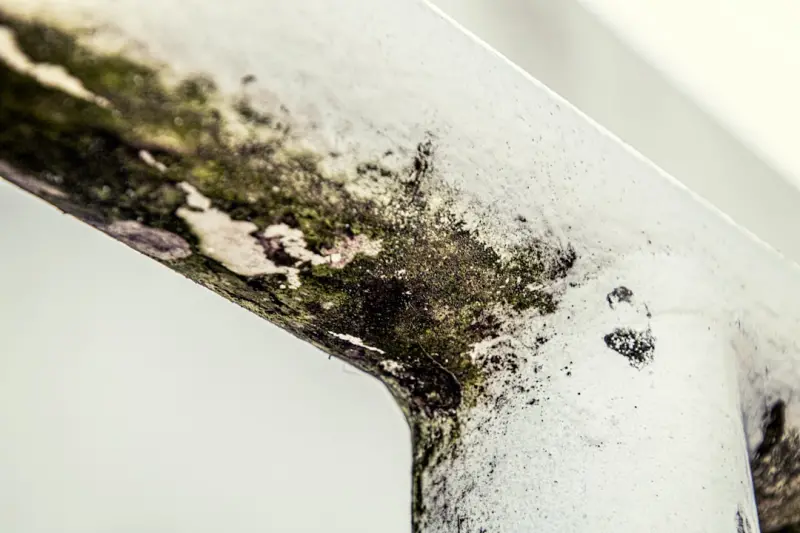
Why Mold Is More Than a Spot on the Wall
When I first walked into a client’s warehouse and saw a faint, musty haze clinging to the ceiling beams, I knew I was looking at a problem that would ripple through the entire operation. Mold isn’t just an unsightly nuisance; it’s a silent invader that degrades materials, undermines equipment reliability, and—most critically—saps the health of anyone who breathes the air inside.
Over the past decade I’ve overseen dozens of remediation projects, from small office suites to sprawling manufacturing plants. Each time the lesson is the same: mold thrives on neglect, moisture, and a lack of systematic oversight. The real challenge isn’t just wiping away the visible growth; it’s about building a process that prevents it from ever gaining a foothold again.
The Science Behind the Spread
Mold spores are everywhere—on outdoor surfaces, in HVAC filters, even on the clothing we wear. Under the right conditions—typically a relative humidity above 60 % and a steady source of water—those spores germinate into colonies that can colonize wood, drywall, insulation, and even metal components.
- Moisture source: Leaks, condensation, or high humidity.
- Nutrients: Organic debris, dust, or building materials.
- Temperature: Most species love the 20‑30 °C range, but many can survive in cooler zones.
Understanding these three pillars lets you diagnose why mold appears in a particular spot and, more importantly, how to cut off its supply chain.
Step‑One: Audit the Building’s Moisture Map
Before any chemical or mechanical intervention, conduct a thorough moisture audit. I rely on a combination of infrared thermography, hygrometers, and a simple visual inspection checklist. The goal is to locate hidden water—behind wall cavities, under raised floors, or inside HVAC coil pans.
During one project in a data center, a tiny condensation issue on a chilled water pipe was the culprit. The pipe’s insulation had degraded, allowing the pipe surface to dip below the dew point and drip onto adjacent drywall. The result? A wall‑wide mold outbreak that threatened sensitive equipment. By mapping the moisture first, we avoided tearing down the entire wall and focused only on the offending pipe.
Step‑Two: Choose the Right Remediation Technique
There’s no one‑size‑fits‑all solution. The technique you select depends on the material, the extent of colonization, and the operational downtime you can afford.
- Physical removal: Scrubbing with a detergent solution works for non‑porous surfaces like metal, glass, or sealed tile.
- Encapsulation: For porous substrates that cannot be fully removed (e.g., concrete walls), applying a mold‑inhibiting sealant can lock spores in place.
- Biocidal treatment: EPA‑registered fungicides are necessary for larger infestations, but they must be applied by trained personnel.
- Air‑scrubbing: HEPA‑rated units with activated carbon filters reduce airborne spore counts while the space is being cleared.
In a recent office retrofit, I paired encapsulation with a high‑efficiency air‑scrubbing system, achieving a 99.9 % reduction in spore counts within 48 hours.
Step‑Three: Re‑engineer the Building Envelope
Even after you eradicate the visible growth, the envelope that allowed moisture in remains. This is where many remediation efforts fall short. I treat the envelope like a living system—identifying weak points and reinforcing them.
Key upgrades include:
- Installing vapor barriers behind insulation where condensation is likely.
- Sealing all penetrations—pipes, ducts, electrical conduits—with mold‑resistant caulks.
- Upgrading drainage planes to keep water from pooling at the foundation.
- Integrating humidity‑control devices that maintain indoor RH below 55 %.
For a large retail complex, we introduced a smart moisture‑balancing insulation system that actively redirects humidity away from structural members, essentially turning the walls into a self‑regulating barrier.
Step‑Four: Institutionalize a Prevention Protocol
All too often, mold reappears because the remediation team handed over the site without a clear maintenance plan. I develop a simple, repeatable protocol that facility managers can follow:
- Monthly visual inspection: Look for water stains, discoloration, or musty odors.
- Quarterly humidity audit: Use data loggers to capture RH trends across zones.
- Annual HVAC maintenance: Clean coils, replace filters, and check condensate pans.
- Rapid response checklist: A step‑by‑step guide for addressing leaks or condensation spikes within 24 hours.
Embedding these steps into the facility’s SOPs turns mold prevention from a one‑off project into a cultural habit.
Leveraging Technology for Ongoing Vigilance
Modern sensor networks make it possible to monitor moisture in real time. By placing low‑cost IoT hygrometers in high‑risk zones, you can set alerts that trigger maintenance tickets before any visible damage occurs. The data also feeds into predictive analytics platforms, allowing you to forecast problem areas based on seasonal trends.
In one case, a logistics hub installed a network of wireless moisture sensors. When a pipe burst in the night shift, the system logged a sudden humidity spike and automatically dispatched a work order to the on‑call technician. The leak was sealed within two hours, preventing what could have become a costly, multi‑week remediation.
Financial Considerations: Investing in Long‑Term Health
Remediation can seem pricey, but the cost of inaction is far higher. Mold can lead to:
- Decreased employee productivity due to poor indoor air quality.
- Accelerated degradation of building materials, driving up repair budgets.
- Potential liability if occupants develop health issues.
When you frame the expense as an investment in asset longevity and workforce well‑being, the ROI becomes evident. Moreover, many insurers now offer premium discounts for buildings that demonstrate robust moisture‑management protocols.
For those concerned about upfront capital, I recommend exploring budget‑friendly financing options that spread costs over the life of the improvement, turning a large expense into manageable cash flow.
Case Study: Turning a Mold Nightmare into a Model Facility
Background: A 150,000 sq ft manufacturing plant experienced recurring mold on its overhead steel framework. The plant’s ventilation system was undersized, and condensation formed on the steel during night‑time cooling cycles.
Approach:
- Conducted a moisture audit using infrared cameras; identified three high‑risk zones.
- Retrofitted those zones with insulated pipe sleeves and vapor‑tight barriers.
- Installed a humidity‑controlled ventilation system that increased air exchanges during peak cooling periods.
- Implemented a sensor‑driven alert system tied to the plant’s maintenance software.
Results: Within six months, spore counts dropped by 98 %, the plant reported a 15 % reduction in sick days, and the client saved $250 k in avoided repairs.
Common Pitfalls and How to Avoid Them
- Using bleach as a cure‑all: Bleach may kill surface mold but can’t penetrate porous materials, leaving roots intact.
- Skipping the moisture source: Removing visible growth without addressing the water problem invites immediate regrowth.
- Neglecting HVAC: Dirty coils and clogged drains are hidden reservoirs for moisture.
- Under‑estimating documentation: Detailed records of findings, actions, and follow‑up are essential for compliance and future audits.
Final Thoughts: Make Mold Management Part of Your Operational DNA
When I first started in facilities management, mold was an after‑the‑fact fix. Today, I treat it as a key performance indicator—just like energy efficiency or equipment uptime. By embedding moisture awareness, leveraging technology, and maintaining disciplined follow‑through, you transform a reactive scramble into a proactive advantage.
If you’re ready to shift from “mold‑removal” to “mold‑prevention,” start with a comprehensive moisture audit, adopt the right remediation tools for each material, and cement a maintenance rhythm that never misses a beat. The healthier your indoor environment, the stronger your bottom line.

David MacKinnon is a dynamic freelance writer known for his captivating storytelling and keen insights into the world of technology. With a passion for exploring the intersection of innovation and everyday life, he crafts engaging narratives that not only inform but also inspire his readers.
Related Posts
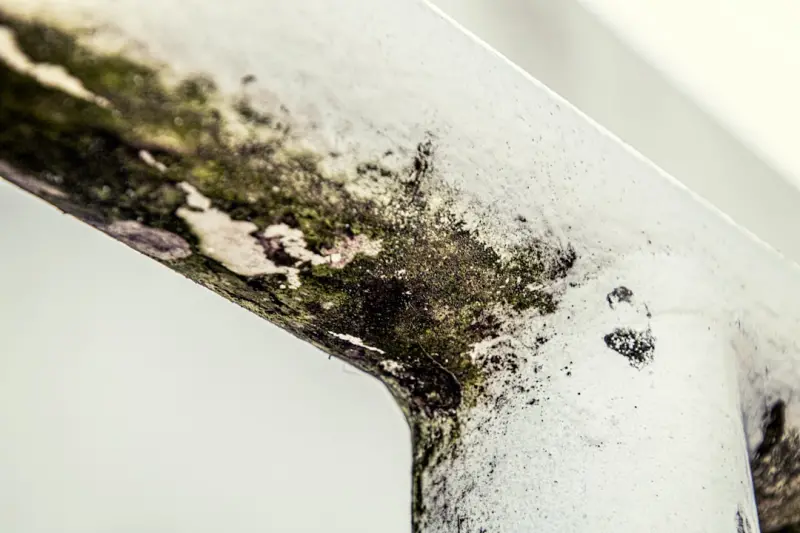
The Real Cost of DIY Mold Removal: What You Need to Know
Explore the true costs and safety concerns of DIY mold removal, with expert insights on containment,... Read More

The Veteran Contractor’s Blueprint for Safe, Sustainable Mold Removal
Learn how a veteran contractor tackles mold with sustainable methods, from detection to long‑term ... Read More
The Hidden Dangers of Mold in Your Home: Sustainable Mold Removal Practices
Mold growth can have serious consequences for your health and home. Learn about sustainable mold rem... Read More
Top Posts

Acoustic Architecture: Designing Spaces That Listen
Acoustic architecture goes beyond noise control, shaping how we experience spaces. Discover strategies, materials, and case studies that show how sound can be a...Read More

Waterproofing Secrets for the Modern Sustainable Home
Learn how to protect your sustainable home with smart waterproofing methods, eco‑friendly materials, and real‑time monitoring for lasting performance....Read More

Micro‑Scale Weatherproofing: Small Tweaks, Massive Protection
A hands‑on guide to tiny yet powerful weatherproofing measures—seal gaps, improve drainage, add smart sensors, and more—to make any home resilient against...Read More
Future‑Ready Garage Design: From Car Shelter to Multi‑Use Hub
Learn how to turn a traditional garage into a versatile, energy‑efficient hub that supports cars, workshops, home offices, and even autonomous vehicle tech....Read More
0 Comments
Post Comment
You will need to Login or Register to comment on this post!