

The Silent Threat: A Data‑Driven Playbook for Mold Eradication
Mold isn’t just an unsightly spot on a wall; it’s a silent invader that can erode structural integrity, sabotage indoor comfort, and compromise health. While many homeowners turn to quick‑fix sprays or aggressive scrubbing, the most effective long‑term solution lies in a systematic, data‑informed approach that addresses the root causes before the spores ever get a foothold.
In this post, I’ll walk you through a practical framework that blends scientific insight, modern sensor technology, and sustainable remediation tactics. Whether you manage a multi‑unit property, oversee a commercial facility, or simply want a healthier home, the steps below will empower you to turn mold from a lurking menace into a manageable variable.
1. Diagnose Before You Decontaminate
Most mold problems start with unnoticed moisture. The key is to detect that moisture early—before visible growth appears. Traditional methods rely on visual inspection or a simple moisture meter, but these tools can miss hidden pockets behind drywall, under flooring, or within HVAC ducts.
Enter the next generation of environmental monitors. Compact humidity and temperature loggers can be placed in suspect zones and programmed to transmit real‑time data to a cloud dashboard. By establishing baseline readings and spotting deviations, you create a living map of risk zones across the building.
When you notice a sustained relative humidity above 60 % in any area for more than 48 hours, that’s a red flag. Set alerts so that maintenance teams receive a notification the moment the threshold is breached. This early‑warning system shifts the mindset from “reactive cleaning” to “preventive control.”
2. Map the Moisture Pathways
Moisture doesn’t travel randomly; it follows the path of least resistance. Understanding those pathways is essential for targeted remediation. Conduct a thorough audit that includes:
- Building envelope inspection – Look for gaps around windows, roof penetrations, and exterior cladding.
- Plumbing assessment – Identify slow leaks, condensation on pipes, and inadequate insulation.
- HVAC evaluation – Check for condensate drain blockages and ensure proper airflow that avoids localized dampness.
Document each finding in a visual schematic. When you overlay the sensor data onto this schematic, patterns emerge: a kitchen wall that consistently spikes humidity after cooking, a basement slab that never fully dries after rainfall, or a ceiling tile that retains moisture due to poor ventilation.
3. Choose the Right Remediation Technique
Not every mold situation calls for the same treatment. The choice hinges on the type of surface, the extent of colonization, and the material’s ability to be restored.
- Surface‑bound growth – For mold confined to hard, non‑porous surfaces (tile, glass, metal), a thorough cleaning with a diluted biocide followed by a protective sealant is often sufficient.
- Porous material infestation – When mold has penetrated drywall, insulation, or carpet padding, removal and replacement are usually the safest route. However, consider environmentally responsible disposal methods to minimize waste.
- Hidden cavity invasion – In cases where mold resides behind walls or under flooring, use antimicrobial foams that can be injected and expand to fill voids, delivering treatment without destructive demolition.
Whichever method you choose, prioritize products with low volatile organic compound (VOC) content. Traditional bleach solutions can create harmful off‑gases and may damage sensitive materials. Modern bio‑based agents provide effective eradication while preserving indoor air quality.
4. Reinforce the Barrier: Moisture Management
Eliminating existing mold is only half the battle; you must also prevent recurrence. Here are three proven tactics that don’t rely on expensive retrofits:
- Strategic ventilation upgrades – Install demand‑controlled exhaust fans in moisture‑heavy zones like bathrooms and kitchens. Pair them with low‑energy, variable‑speed motors that adjust flow based on humidity readings.
- Localized moisture‑absorbing layers – Apply breathable, capillary‑break membranes behind interior finishes. These layers allow walls to “dry out” naturally, diverting water away from vulnerable substrates.
- Targeted moisture barriers – For areas prone to ground‑water intrusion, employ a combination of sealed perimeter drains and vapor‑impermeable coatings. This approach creates a defensive shell without compromising the building’s overall breathability.
These measures work synergistically with the sensor network you installed earlier, creating a feedback loop that continuously fine‑tunes the environment.
5. Leverage Data for Continuous Improvement
After the initial remediation, the work doesn’t stop. The sensor platform you’ve deployed is a goldmine of information that can be harnessed to refine maintenance schedules and improve building performance.
Analyze trends over weeks and months to answer questions like:
- Which zones consistently exceed safe humidity levels?
- Do external weather events correlate with internal moisture spikes?
- How effective are the new ventilation controls in stabilizing humidity?
Use these insights to adjust set points, schedule preventative inspections, or even re‑engineer problematic spaces. Over time, you’ll notice a reduction in mold‑related work orders, lower energy consumption (thanks to optimized ventilation), and healthier indoor air for occupants.
6. Communicate the Plan to Stakeholders
Transparency builds trust. Whether you’re reporting to building owners, tenants, or facility managers, present the data in an accessible format. Simple dashboards that show real‑time humidity, alerts, and remediation status can demystify the process and demonstrate proactive stewardship.
Include a short “Mold‑Free Commitment” statement in leasing agreements or tenant newsletters. This not only sets expectations but also encourages occupants to report moisture issues early, further tightening the feedback loop.
7. Integrate With Broader Building Strategies
Mold control dovetails nicely with other sustainability initiatives. For instance, when you’re already pursuing targeted moisture barriers, you’re simultaneously reducing the building’s vulnerability to water intrusion, a core component of any resilient design approach.
Similarly, the same sensor network that monitors humidity can be expanded to track temperature differentials, indoor air pollutants, and energy use, creating a unified platform for building performance. This aligns with modern efforts to future‑proof building strategies that prioritize health, efficiency, and longevity.
8. Embrace a Culture of Prevention
Finally, the most lasting defense against mold is a cultural shift: moving from “fix‑it‑when‑you‑see‑it” to “anticipate‑and‑adjust.” Train maintenance crews to interpret sensor data, empower tenants to recognize early signs of moisture, and embed mold awareness into regular facility audits.
When the entire ecosystem—from technology to people—shares the same preventive mindset, mold becomes a manageable variable rather than an inevitable disaster.
Conclusion
Mold removal isn’t a one‑off project; it’s an ongoing, data‑rich discipline that protects both the structure and its occupants. By installing real‑time monitoring, mapping moisture pathways, selecting the right remediation tools, reinforcing barriers, and continuously analyzing data, you can turn the silent threat of mold into a transparent, controllable element of building management.
Adopt this playbook, and you’ll not only safeguard health and assets but also demonstrate leadership in sustainable, health‑focused property stewardship.

Paul Gray is a dynamic blogger based in Brampton, where he shares his life with his amazing wife, Sarah. Known for his engaging writing style and relatable insights, Paul has carved out a niche in the blogging world that resonates with readers from all walks of life. When he's not crafting captivating posts, you can find him savoring a cold beer or indulging in the latest blockbuster movie. With a friendly demeanor and a passion for storytelling, Paul brings a unique perspective to his work, making him not just a blogger, but a voice for those who appreciate the simple joys of life.
Related Posts

Data‑Driven Mold Removal: Turning Moisture Into Measurable Action
Mold removal is evolving from reactive cleaning to a data‑first approach. Learn how moisture senso... Read More
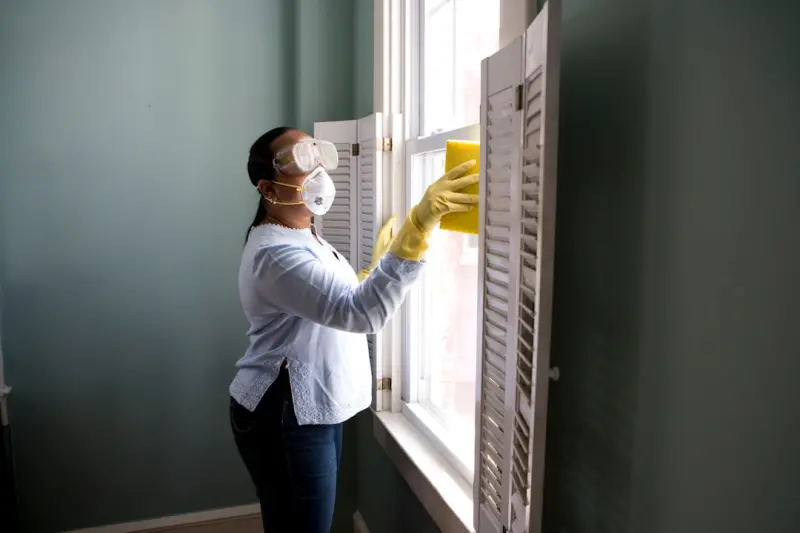
Mold Removal: Turning Hidden Threats into a Strategic Asset
Mold isn’t just a cleaning issue—it signals deeper building health problems. Learn a proactive, ... Read More
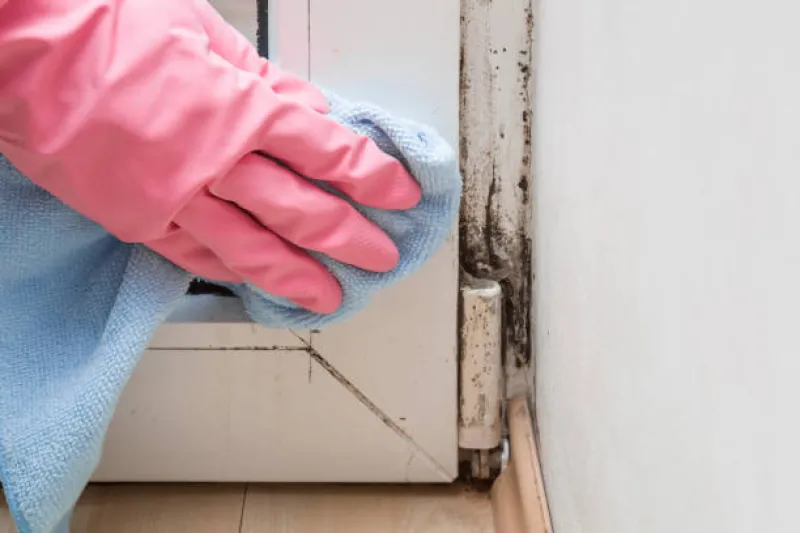
The Silent Menace: A Comprehensive Guide to Mold Removal and Prevention
Mold is a silent threat to your home and health. This guide from Lifan Chen breaks down everything f... Read More
Top Posts

Insulation Insights: Turning Your Home’s Skin Into a Smart, Sustainable Shield
Explore a fresh take on insulation that balances eco‑friendly materials, smart home integration, and adaptive design to create a healthier, more resilient liv...Read More

Beyond Paint: How Modern Wallpaper Elevates Home Functionality
Explore the rise of functional wallpaper—sound‑absorbing, sustainable, and tech‑ready solutions that turn walls into performance‑driven design elements....Read More

Painting with Purpose: How Color Can Transform Your Home’s Mood and Function
Explore how strategic color choices can influence mood, behavior, and health in each room, with practical steps, eco‑friendly options, and budget tips for a p...Read More

The Importance of Regular Property Maintenance: A Comprehensive Guide
Regular property maintenance is crucial to prevent costly repairs, enhance your property's value, and ensure a safe living environment. Learn the importance of ...Read More
0 Comments
Post Comment
You will need to Login or Register to comment on this post!