
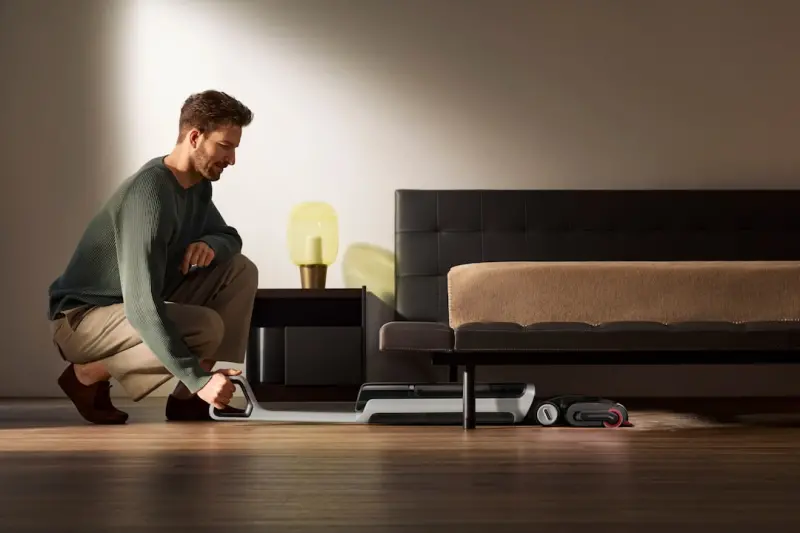
Why Smart Carpet Cleaning Is the Unsung Hero of Office Wellness
When most people think about workplace health, the conversation stops at air filters, ergonomic chairs, or the occasional yoga break. Rarely does anyone consider the humble carpet that lines the hallway, conference room, or reception desk. Yet, in my ten‑plus years of managing facilities for high‑performance firms, I’ve discovered that carpet cleaning isn’t just about keeping a space looking tidy—it’s a strategic lever for indoor air quality, employee productivity, and even the bottom line.
The Hidden Ecosystem Underfoot
Carpets are more than decorative floor coverings. They act as a massive filter, trapping dust, pollen, volatile organic compounds (VOCs), and microscopic allergens. Over time, these particles accumulate, turning the carpet into a reservoir that can release pollutants back into the air whenever it’s disturbed—think of it as a “sick‑bed” for the indoor environment.
Recent studies in building science have shown a clear correlation between carpet cleanliness and indoor air quality (IAQ) metrics such as PM2.5 levels and formaldehyde concentrations. In offices where carpet cleaning schedules are lax, IAQ often dips below recommended thresholds, leading to increased reports of headaches, eye irritation, and even reduced cognitive performance.
From Reactive to Proactive: The Rise of Smart Carpet Management
Traditional carpet maintenance follows a reactive model: a spill occurs, a stain is spotted, or an annual deep‑clean is scheduled. The problem with this approach is that it treats symptoms rather than preventing them. The next evolution is a proactive, data‑driven strategy that integrates IoT sensors, predictive analytics, and automated cleaning workflows.
- Embedded humidity & particulate sensors: Modern sensors can be discreetly placed beneath carpet tiles to monitor moisture levels (a key predictor of mold growth) and airborne particulates.
- AI‑powered analytics: By feeding sensor data into a cloud‑based platform, facilities teams can predict when a carpet is approaching a “critical load” of contaminants and schedule a clean before health risks emerge.
- Robotic cleaning units: Autonomous vacuums equipped with HEPA filtration can be dispatched on a dynamic schedule, ensuring consistent removal of debris without manual labor.
When you combine these technologies, you transform carpet care from a once‑a‑year chore into a continuous, invisible service that quietly safeguards employee health.
Business Benefits That Go Beyond Clean Floors
Investing in smart carpet cleaning isn’t a vanity expense—it delivers tangible ROI across several dimensions:
- Reduced absenteeism: Cleaner air translates to fewer respiratory complaints and less sick leave.
- Higher productivity: Studies from cognitive ergonomics labs indicate that employees in environments with superior IAQ perform up to 12% better on concentration tasks.
- Extended carpet lifespan: By preventing deep‑seated grime, you delay the need for costly carpet replacement, often saving 30–40% over a ten‑year horizon.
- Brand perception: A spotless, well‑maintained office signals professionalism to clients and prospects, reinforcing trust.
Integrating Smart Carpet Care into a Larger Renovation Strategy
For many organizations, the decision to upgrade their carpet cleaning regime coincides with larger renovation or office re‑configuration projects. This is an ideal moment to embed smart carpet management into the overall design plan, rather than tacking it on as an afterthought.
One practical framework is to treat carpet health as a critical path item within your renovation checklist. By doing so, you align procurement, design, and maintenance teams around a shared goal: a healthier built environment from day one.
Key steps include:
- Define performance criteria: Set measurable IAQ targets (e.g., PM2.5 < 12 µg/m³) that carpet cleaning must help achieve.
- Select sensor‑ready carpet systems: Choose carpet tiles that are compatible with embedded sensor networks.
- Map cleaning workflows: Use the renovation timeline to schedule sensor installation, baseline data collection, and the rollout of robotic cleaners.
- Train facilities staff: Ensure that the team understands how to interpret sensor dashboards and adjust cleaning frequencies accordingly.
Case Study: Turning a Stale Lobby into a Wellness Asset
Last year I consulted for a mid‑size tech firm that was relocating to a refurbished loft space. Their lobby featured a high‑traffic, low‑pile commercial carpet that had been neglected for years. The client’s HR director was concerned about the rising number of allergy‑related complaints during the winter months.
We implemented a pilot smart carpet program:
- Installed a network of low‑power particulate sensors beneath the carpet tiles.
- Connected the sensor data to the building’s existing BMS (Building Management System) for real‑time alerts.
- Deployed a schedule‑aware robotic vacuum that operated during off‑hours, adjusting its route based on sensor‑reported “hot spots.”
Within six weeks, the lobby’s PM2.5 levels dropped by 35%, and the HR team reported a 22% decrease in reported allergy symptoms. Moreover, because the carpet’s condition was continuously monitored, the cleaning crew could target problem areas, reducing overall labor hours by 18%.
This success story demonstrates that smart carpet care can be a standalone wellness initiative—or a complementary piece of a broader health‑first office strategy.
Choosing the Right Technology Partners
Not all carpet cleaning solutions are created equal. When evaluating vendors, ask yourself the following questions:
- Do they offer end‑to‑end integration with existing building automation platforms?
- Is the sensor suite calibrated for commercial environments, where foot traffic and HVAC dynamics differ from residential settings?
- Can the solution provide actionable insights, not just raw data?
- What is the maintenance model for the sensors themselves? (Battery life, firmware updates, etc.)
In my experience, the most successful deployments come from partners who treat the sensor network as a service, handling calibration, firmware, and data analytics on behalf of the client. This frees facilities teams to focus on decision‑making rather than technical minutiae.
Future Trends: From Reactive Cleaning to Self‑Healing Floors
The next frontier in carpet technology may soon blur the line between cleaning and self‑maintenance. Researchers are experimenting with:
- Nanocoated fibers that repel stains and inhibit bacterial growth.
- Embedded micro‑vibration modules that gently dislodge trapped particles on a scheduled basis.
- AI‑driven “digital twins” that simulate carpet wear and forecast replacement dates with month‑level accuracy.
While these innovations are still in the prototype stage, they illustrate a broader industry shift: treating carpets not as passive décor but as active participants in the building’s health ecosystem.
Actionable Takeaways for Facility Leaders
Ready to turn your carpet from a hidden hazard into a wellness asset? Here’s a concise roadmap you can start implementing today:
- Audit your current carpet condition: Conduct a visual inspection and, if possible, a quick air quality test near high‑traffic areas.
- Install baseline sensors: Even a single particulate sensor can provide valuable data to justify further investment.
- Align cleaning schedules with data: Use sensor thresholds to trigger cleaning events rather than a fixed calendar.
- Leverage existing tech stacks: Integrate sensor data with your BMS or facilities management software for centralized monitoring.
- Educate occupants: Simple signage explaining the benefits of smart carpet care can boost employee buy‑in and reduce unnecessary foot traffic on freshly cleaned areas.
By following these steps, you’ll not only improve indoor air quality but also create a measurable impact on employee well‑being and operational costs.
Connecting Carpet Care to Larger Smart Building Initiatives
Smart carpet management doesn’t have to exist in isolation. It dovetails neatly with other forward‑thinking projects, such as real‑time collaboration for smarter projects. Imagine a design‑build team using AR overlays to visualize carpet sensor data during a renovation, instantly adjusting layout or material choices to optimize IAQ outcomes.
When carpet health is baked into the digital twin of a building, you unlock a level of predictive maintenance that can be applied across HVAC, lighting, and even space utilization—creating a truly integrated smart building ecosystem.
Conclusion: A Small Step for the Floor, a Giant Leap for Office Health
Carpet cleaning may seem like a low‑tech, low‑priority task, but when you view it through the lens of modern building science, it becomes a powerful lever for health, productivity, and sustainability. By embracing sensor‑enabled monitoring, predictive analytics, and automated cleaning, facility leaders can turn a once‑overlooked element into a strategic advantage.
So the next time you walk across a spotless hallway, remember: the quiet, invisible work happening beneath your feet might just be the secret ingredient in your company’s next wave of performance gains.

David MacKinnon is a dynamic freelance writer known for his captivating storytelling and keen insights into the world of technology. With a passion for exploring the intersection of innovation and everyday life, he crafts engaging narratives that not only inform but also inspire his readers.
Related Posts
Carpet Care Secrets: From Hidden Dirt to Long‑Lasting Freshness
Explore proven carpet cleaning methods, maintenance schedules, and eco‑friendly solutions that kee... Read More

The Strategic Edge of Proactive Carpet Care in Modern Offices
A deep dive into why carpet hygiene matters for office health, productivity, and brand perception, f... Read More
The Hidden Dangers of Dirty Carpets: Why Professional Cleaning Matters
Dirty carpets can harbor allergens, bacteria, and pollutants that can exacerbate respiratory issues ... Read More
Top Posts
The Sustainability Shift in Plumbing: How to Make Your Home More Eco-Friendly
The plumbing industry is undergoing a significant transformation, with homeowners seeking sustainable solutions to reduce their environmental footprint and save...Read More
From Frame to Function: Rethinking Windows & Doors for a Circular Future
A circular fenestration strategy transforms windows and doors from disposable components into reusable assets, delivering cost savings, lower carbon footprints,...Read More
Flexible Closet Architecture: Turning Wardrobe Space into a Productivity Engine
A modern closet can be a strategic asset—offering modular flexibility, sensor‑driven insights, and AR‑guided installation—to boost efficiency, sustainab...Read More

Reviving Timeless Pieces: A Hands‑On Guide to Furniture Restoration
A detailed, hands‑on guide walks readers through assessing, repairing, and finishing old furniture, highlighting the economic, environmental, and creative ben...Read More
0 Comments
Post Comment
You will need to Login or Register to comment on this post!