
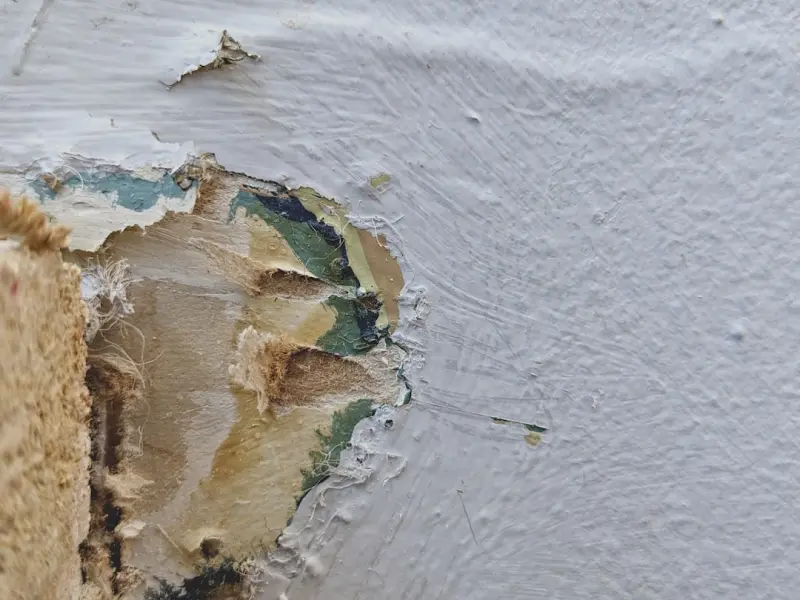
Why Mold Is More Than a Stain: The Hidden Health Cost
When I first encountered a stubborn black patch behind a bathroom tile, I realized mold isn’t just an unsightly blemish; it’s a silent intruder that can erode both structure and well‑being. Invisible spores drift through the air, settling in our lungs and aggravating allergies, asthma, and even chronic fatigue, turning a simple home repair into a health crisis. The key to defeating this menace lies in recognizing that mold thrives in the same micro‑climates that sap our energy, and that every droplet of moisture is a potential gateway for its growth.
Instead of treating mold as an isolated incident, I now approach it as a symptom of an unbalanced home ecosystem. By mapping moisture hotspots with a handheld hygrometer, I can pinpoint the exact zones where humidity exceeds the 60% threshold that fuels fungal colonies. This data‑driven strategy transforms guesswork into precision, allowing me to focus remediation efforts where they truly matter and avoid the costly over‑cleaning of areas that are already safe.
Smart Sensors: Turning Your Home Into a Mold Early‑Warning System
Modern smart home tech isn’t just for lighting or security; it can be the frontline defense against mold. I’ve installed humidity sensors in basements, attics, and behind appliances, linking them to my phone for real‑time alerts. When a sensor detects sustained humidity above 65%, it triggers an automated dehumidifier or a gentle ventilation boost, nipping fungal growth in the bud before it becomes visible.
These sensors also feed a historical log, revealing patterns such as seasonal spikes after heavy rains or daily peaks during cooking. Armed with this insight, I can schedule preventive actions—like running exhaust fans or adjusting thermostat settings—at the precise moments moisture threatens to accumulate. This proactive loop not only preserves the integrity of walls and flooring but also safeguards the health of everyone under the roof.
DIY Remediation: When to Roll Up Your Sleeves and When to Call the Pros
There’s a satisfying empowerment that comes from tackling minor mold patches yourself, especially when you have the right tools and knowledge. I keep a compact kit that includes a HEPA‑rated vacuum, a spray bottle of distilled white vinegar, and a soft‑bristled brush; together they form a safe, non‑toxic approach for surfaces smaller than a square foot. The trick is to work in a well‑ventilated space, wearing an N95 mask and gloves, to prevent inhalation of spores during removal.
However, the line between DIY and professional intervention becomes clear when contamination exceeds 10 square feet, or when mold lurks behind drywall or insulation. In those cases, I recommend hiring certified specialists who can conduct containment, negative‑pressure testing, and thorough air quality assessments. For more on discerning hidden issues, see my guide on DIY home repairs that can help you decide when to enlist expert help.
Integrating Mold Prevention Into Your Daily Routine
Transforming mold removal from a daunting project into a daily wellness habit is the ultimate goal. I start each morning by checking the humidity readouts on my smart hub; if levels creep upward, I open a window or activate a low‑energy dehumidifier. After showers, I run the bathroom fan for an extra five minutes, ensuring that steam doesn’t settle into tile grout where it can foster fungal growth.
Even the smallest adjustments—like wiping down shower walls with a squeegee or placing silica gel packets in closets—create a cumulative effect that keeps moisture in check. By treating these actions as part of a broader health regimen, mold becomes a manageable variable rather than a looming threat, and the home environment stays fresh, resilient, and supportive of the occupants’ overall vitality.
Choosing the Right Materials to Stifle Future Outbreaks
When renovating or repairing, selecting mold‑resistant materials can dramatically reduce future risk. I favor closed‑cell spray foam for insulation because it creates an airtight barrier that discourages water infiltration. For flooring, engineered wood with a moisture‑proof core outperforms traditional hardwood in damp basements, while ceramic tile with a high‑quality grout and sealant combo offers a virtually impermeable surface in high‑humidity zones.
Beyond the obvious, I also recommend breathable paints that allow walls to “breathe” without trapping moisture—a principle that aligns with the broader strategy of maintaining a balanced indoor climate. By combining these smart material choices with vigilant monitoring, you set a durable foundation that discourages mold from ever gaining a foothold.
Case Study: Turning a Flood‑Ravaged Basement Into a Healthy Living Space
Last year I was called to a home where a busted pipe had saturated the basement for days, leaving a pungent odor and a patchwork of black growth across the concrete floor. My first step was to extract standing water using a commercial pump, then install temporary dehumidifiers to bring the relative humidity below 50% within 48 hours. While the air dried, I sealed all visible cracks with a polymer‑based sealant, preventing future seepage.
Once the environment stabilized, I applied an antimicrobial coating specifically formulated for concrete, followed by a vapor‑barrier liner before laying a new, moisture‑resistant laminate. The result was a reclaimed space that now serves as a home gym, completely free of mold and equipped with a built‑in humidity sensor that alerts me before any moisture threshold is crossed. This transformation showcases how a systematic, data‑driven approach can turn a disaster zone into a health‑enhancing asset.
Maintaining Long‑Term Vigilance: Seasonal Checks and Community Resources
Even with the best preventive measures, seasonal changes can introduce new challenges. I schedule a comprehensive moisture audit at the start of each season, reviewing sensor logs, inspecting exterior drainage, and clearing gutters to ensure water isn’t redirected toward the foundation. During humid summer months, I increase ventilation in kitchens and bathrooms, while in winter, I monitor for condensation on cold surfaces like windows and pipes.
Staying connected with local home‑improvement forums and attending community workshops on indoor air quality also keeps me informed about emerging technologies and regulations. These networks often share insights on new antifungal paints, eco‑friendly dehumidifiers, and regional building codes that affect mold management, ensuring that my strategy evolves alongside the industry.
Conclusion: Embrace Mold Removal as an Ongoing Wellness Practice
In my experience, the most effective mold remediation is not a one‑off battle but a continuous, mindful practice that blends technology, smart material choices, and everyday habits. By treating moisture as the true adversary and leveraging real‑time data, you can stay ahead of fungal growth, protect your family’s health, and preserve the longevity of your home. Remember, each small step—whether it’s a quick sensor check or a purposeful ventilation routine—adds up to a resilient, mold‑free sanctuary that supports a vibrant, thriving life.

William Roy is a freelance writer originally from Montreal who moved to Ottawa with his wife of 50 years to be closer to their grandkids. Alongside his writing, William has a passion for fishing.
Related Posts
Mold Removal Mastery: A Pro’s Playbook for Healthy Spaces
A seasoned facilities expert shares a step‑by‑step playbook for diagnosing, eradicating, and pre... Read More
The Hidden Dangers of Mold: A Comprehensive Guide to Removal and Prevention
Mold growth is a silent killer, causing damage to structures, health issues, and financial burdens. ... Read More
Mold Removal Mastery: Detect, Eradicate, and Prevent Hidden Growth
Learn how to detect unseen mold, execute a thorough removal, and use smart tech to prevent future in... Read More
Top Posts
The Hidden Benefits of Bathtub Refinishing: A Homeowner’s Deep Dive
Bathtub refinishing isn’t just a quick fix—it’s a design upgrade, a green choice, and a resale booster. Dive into the why, the how, and the hidden perks o...Read More

From Floor to Facade: Rethinking Tile as a Strategic Asset
Tiles are more than just flooring—they’re a strategic tool for brand storytelling, acoustic improvement, sustainability, and long‑term ROI. This guide sho...Read More
Turning Scraps into Signature Pieces: A Woodworker’s Journey with Reclaimed Materials
Explore the art of transforming reclaimed timber into beautiful, sustainable furniture. Follow expert tips on sourcing, prepping, designing, and finishing timel...Read More

Rethinking Commercial Renovations: The Rise of Data‑Driven Space Planning
A deep dive into using occupancy sensors, movement analytics, and environmental data to create smarter, more efficient commercial renovation designs that delive...Read More
0 Comments
Post Comment
You will need to Login or Register to comment on this post!