
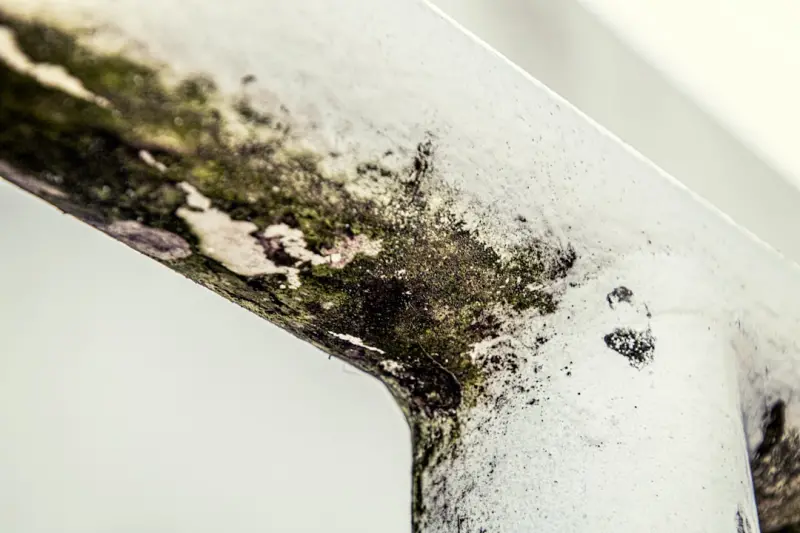
Understanding Mold’s Hidden Threat
When I first walked into a century‑old farmhouse with a lingering musty smell, I realized that mold isn’t just an unsightly surface problem—it’s a biological invasion that can compromise structural integrity, indoor air quality, and even the health of occupants. Mold spores can infiltrate porous materials, lying dormant until moisture conditions awaken them, which means that a simple visual inspection often misses the real extent of contamination. That’s why I always start with a thorough moisture audit, using a hygrometer and, when the budget allows, a thermal imaging scan to reveal hidden damp zones that are the perfect breeding ground for fungi.
The Economic Reality of Cutting Corners
Many homeowners think that a spray‑bottle solution and a scrub will solve a stubborn black spot, but the hidden costs quickly add up when the problem resurfaces months later, forcing repeated repairs and potentially expensive structural remediation. By skimping on proper containment, you risk cross‑contamination of adjacent rooms, which can turn a localized issue into a whole‑home crisis that may require professional abatement and even affect resale value. My experience shows that investing in a comprehensive removal plan—complete with HEPA‑filtered negative pressure equipment—pays off by preventing these cascading expenses.
Why “One‑Size‑Fits‑All” Products Fail
Commercial mold‑kill products are often marketed as universal solutions, yet the chemistry behind them varies dramatically depending on the type of mold, the substrate, and the environmental conditions. For example, a chlorine‑based cleaner works well on non‑porous tiles but can accelerate degradation on wood framing, creating new moisture pathways that invite more spores. I’ve learned to match the biocide to the specific genus identified in a lab test, a practice that may sound academic but dramatically improves efficacy and preserves the original materials.
Containment: The Unsung Hero of Safe Removal
Professional mold remediation hinges on creating a sealed environment that prevents spores from escaping during the removal process, and this is an area where DIY attempts often fall short. By draping polyethylene sheeting, sealing ventilation registers, and establishing a negative pressure differential with a portable fan, you can keep the contaminant confined to the work zone. I’ve seen homeowners neglect these steps, only to find mold reappearing in previously unaffected closets and attics—proof that containment is not optional but essential.
The Role of Airflow and Humidity Control
Even after the visible mold is gone, the battle is far from over; without proper humidity management, spores will simply re‑establish themselves. Integrating a smart multi‑zone HVAC system allows you to fine‑tune temperature and relative humidity levels room by room, ensuring that moisture never reaches the critical 60 % threshold where most indoor fungi thrive. Pair this with a reliable dehumidifier in basements and crawlspaces, and you create an environment that is hostile to mold but comfortable for residents.
Testing Before You Trust the Finish
Before you declare victory and repaint the walls, I always recommend a post‑remediation verification test—either through a professional lab analysis of air samples or a simple surface swab checked with a DIY mold test kit. This step provides peace of mind and a documented baseline that can be valuable during future property transactions. In one recent project, a seemingly clean attic revealed lingering spores that only a thorough air‑sampling uncovered, prompting a second round of targeted treatment that saved the homeowner from costly future repairs.
Eco‑Friendly Alternatives to Harsh Chemicals
For environmentally conscious homeowners, there are effective green alternatives that combine safety with potency, such as hydrogen peroxide, vinegar, and tea tree oil blends, each of which can be applied to porous surfaces after proper drying. While these solutions may require longer dwell times, they avoid the health risks associated with bleach fumes and volatile organic compounds, making them ideal for homes with children, seniors, or respiratory sensitivities. My own trials have shown that a 3 % hydrogen peroxide solution, when used in conjunction with mechanical abrasion, can eradicate mold on drywall without compromising indoor air quality.
Learning From Advanced Inspection Techniques
When traditional visual checks miss hidden colonies, I turn to technology that peers beneath the surface; thermal imaging is a game‑changer, revealing temperature differentials that correspond to moisture accumulation within walls, floors, and ceilings. By mapping these hotspots, you can prioritize removal efforts, focus containment on the most vulnerable zones, and ultimately reduce labor hours and material waste. It’s a strategic investment that turns a reactive cleanup into a proactive preservation plan.
When to Call in the Professionals
Despite the best DIY intentions, there are scenarios where professional intervention is not just advisable but mandatory, such as large‑scale infestations exceeding 10 square feet, mold growth on HVAC ducts, or contamination in areas with high‑risk occupants. Certified remediators bring specialized equipment, industry‑standard protocols, and liability insurance that protect both the homeowner and the property. Knowing when to step back and enlist experts can be the difference between a one‑time fix and a recurring nightmare, and it’s a decision I make with a clear eye on long‑term health and financial outcomes.

Craig Brett is a freelancer with a passion for the outdoors. His love for nature inspires his work, bringing authentic and engaging perspectives to projects related to outdoor activities, adventure, and environmental topics.
Related Posts

The Veteran Contractor’s Blueprint for Safe, Sustainable Mold Removal
Learn how a veteran contractor tackles mold with sustainable methods, from detection to long‑term ... Read More
Mold Removal Mastery: A Pro’s Playbook for Healthy Spaces
A seasoned facilities expert shares a step‑by‑step playbook for diagnosing, eradicating, and pre... Read More
The Veteran’s Guide to Sustainable Mold Removal and Prevention
Discover how to detect, safely remove, and prevent mold using green methods and expert insights, ens... Read More
Top Posts
The Silent Revenue Engine: How Strategic Waterproofing Fuels Commercial Success
A deep dive into why waterproofing should be treated as a strategic asset, exploring ROI, sensor integration, sustainability, and future trends that turn moistu...Read More
The Unconventional Toolbox: Repurposing Everyday Items for Quick Home Fixes
Learn how everyday objects like clothespins, rubber bands, and old credit cards can become powerful tools for quick DIY home repairs, boosting savings and confi...Read More

How Sunrooms Can Supercharge Employee Well‑Being and Reduce Energy Costs
A sunroom isn’t just a bright extra room; it’s a strategic wellness hub that lowers energy use, enhances employee well‑being, and drives measurable ROI fo...Read More

AI‑Powered HVAC Zoning: The Future of Home Comfort
Explore AI‑powered HVAC zoning that learns your home’s rhythms, cuts energy bills, and integrates with smart devices for effortless, personalized comfort....Read More
0 Comments
Post Comment
You will need to Login or Register to comment on this post!