
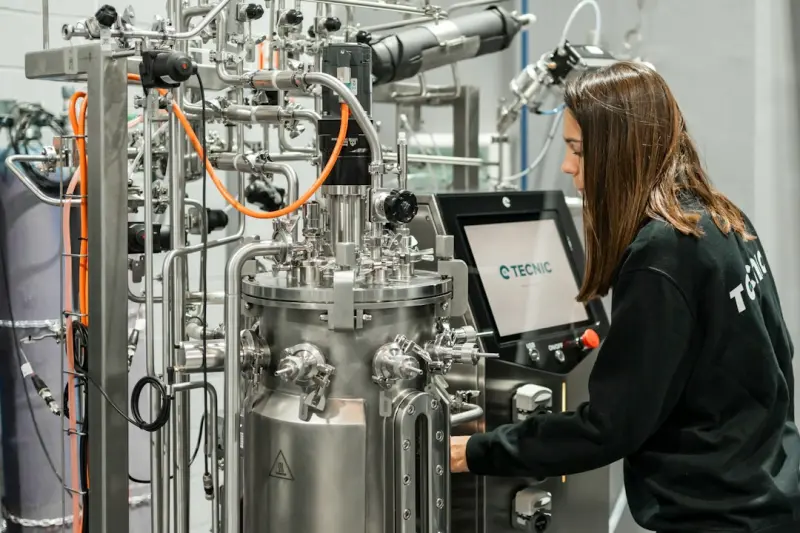
The AI Revolution in Energy Inspection
When I first stepped onto a construction site armed with a clipboard and a flashlight, the energy inspection process felt static— a series of manual checks, a handful of thermal images, and a final report that sat on a shelf until the next big renovation. Today, that world is being rewritten by algorithms that learn, sensors that talk, and digital twins that simulate every brick and pipe before the first bolt is tightened. This isn’t hype; it’s a tangible shift that’s delivering measurable savings, faster compliance, and a new kind of confidence for owners, operators, and regulators.
From Reactive to Predictive: The Core Shift
Traditional energy inspections have always been reactive. A building owner notices a spike in utility bills, calls an auditor, and hopes the findings will point to the culprit. The new paradigm flips that script. By deploying a network of low‑power IoT sensors—temperature, humidity, pressure, and voltage monitors—across critical envelope points, the building becomes a living dataset. Machine‑learning models ingest this data in near‑real time, flagging anomalies that would otherwise be invisible to the naked eye.
Consider a multi‑tenant office tower in downtown. Instead of waiting for a quarterly audit, the building’s energy management platform alerts facilities staff that a specific floor’s HVAC chillers are consuming 18% more power than the baseline for that time of year. The system automatically correlates outdoor temperature spikes, occupancy sensors, and recent maintenance logs to suggest a probable cause: a partially closed damper caused by a recent fire‑door retrofit.
Digital Twins: The Virtual Inspection Companion
A digital twin is more than a 3‑D model; it’s a dynamic replica that mirrors the building’s physical performance. By feeding sensor data into the twin, engineers can run “what‑if” scenarios without ever pulling a pipe or opening a wall. Want to know how adding solar canopies will affect roof‑top heat flux? The twin can simulate that within minutes, delivering a heat‑gain curve that informs both design and inspection criteria.
The beauty lies in the inspection workflow. An inspector no longer climbs into the roof space with a thermal camera; instead, they open the twin’s dashboard, overlay the latest sensor heat map, and pinpoint exactly where insulation may be underperforming. The result is a targeted, data‑driven inspection that saves hours of labor and reduces the chance of missing hidden losses.
Integrating Renewable Energy Assessments
Energy inspection used to focus on reducing waste. Now, it’s also about verifying generation. As more owners add rooftop PV, small‑scale wind, or even kinetic floor tiles, the inspection checklist must evolve. A modern inspection platform automatically logs generation metrics, cross‑references them with consumption data, and calculates net‑zero progress in real time.
Take a university campus that installed a 500 kW solar array last year. The AI‑driven inspection tool compares the array’s performance against the design model, identifies shading issues caused by newly planted trees, and suggests pruning schedules. The same platform also evaluates battery storage efficiency, ensuring that the stored energy is cycled within optimal parameters. In this way, inspection becomes a continuous verification loop for both supply and demand.
Why a Continuous Conversation Matters
One of the most transformative ideas in modern inspection is treating the process as an ongoing dialogue rather than a one‑off event. The continuous conversation approach encourages stakeholders to revisit data, ask new questions, and adapt strategies as building usage changes. When a building transitions from office to mixed‑use, for example, the energy profile shifts dramatically. A continuous inspection model captures that shift instantly, allowing retrofits to be prioritized before inefficiencies become entrenched.
High‑Performance Insulation Strategies Meet AI
Insulation remains a cornerstone of energy efficiency, yet many owners still rely on generic R‑value specifications. By coupling AI with material science, inspections can now evaluate the real‑world performance of insulation systems. Sensors embedded in wall cavities transmit temperature gradients, which AI compares against simulated expectations for various insulation types. When a discrepancy is detected, the system recommends the most effective retrofit—whether it’s aerogel blankets, vacuum‑insulated panels, or a simple blown‑in cellulose upgrade.
For a case study, look at a historic warehouse undergoing adaptive reuse. The AI inspection identified that the original mineral wool, while meeting code at the time of installation, was underperforming by 22% compared to modern alternatives. By recommending a high‑performance spray foam solution, the owners achieved a 15% reduction in heating load, translating to thousands of dollars in annual savings.
Gamifying Energy Inspection for Facility Teams
Human behavior is often the weakest link in energy efficiency. To bridge that gap, some forward‑thinking firms are introducing gamified inspection dashboards. Teams earn points for identifying anomalies, closing corrective actions, and achieving preset efficiency milestones. Leaderboards foster healthy competition, while real‑time feedback loops keep the focus sharp.
In a manufacturing plant, the maintenance crew started receiving daily “energy detective” challenges: locate the sensor flagging a 5% deviation in compressor power and submit a corrective plan within 24 hours. The average time to resolution dropped from 3 days to less than 12 hours, and the plant’s overall energy use intensity improved by 8% within the first quarter of the program.
Regulatory Alignment and the Future of Reporting
Regulators are catching up fast, demanding more granular data and proof of compliance. AI‑driven inspection platforms generate audit‑ready reports that auto‑populate required fields, attach supporting sensor logs, and even predict upcoming regulatory changes based on trend analysis. This reduces the administrative burden on owners and ensures that compliance is never an afterthought.
Moreover, the integration of blockchain can provide immutable records of inspection findings, creating a trusted ledger that can be shared with lenders, insurers, and tenants. Imagine a green‑lease scenario where tenants receive real‑time proof of the building’s carbon performance, enhancing lease value and tenant satisfaction.
Practical Steps to Jumpstart an AI‑Powered Inspection Program
- Assess Sensor Needs: Begin with a pilot on critical systems—HVAC, lighting, and envelope points. Choose low‑power, long‑life sensors that can integrate with existing BMS.
- Choose the Right Platform: Look for solutions that support open APIs, enabling you to feed data into a digital twin and analytics engine.
- Train Your Team: Upskill inspectors to interpret AI insights, not just raw data. This may involve short courses on data literacy and machine‑learning basics.
- Start Small, Scale Fast: Deploy in a single building, refine the workflow, then replicate across the portfolio using the same data model.
- Integrate Renewable Verification: Ensure your platform can ingest generation data from PV, wind, or storage assets to provide a holistic view.
Conclusion: The New Inspection Landscape
Energy inspection is no longer a checkbox exercise; it’s an intelligence‑gathering mission that fuels strategic decisions. By embracing AI, digital twins, and continuous data streams, owners and operators can transform their buildings from energy consumers into energy optimizers. The payoff is clear: lower operating costs, enhanced comfort, faster regulatory compliance, and a stronger narrative for sustainability stakeholders. The question isn’t “if” you’ll adopt these technologies, but “when” and “how fast” you’ll let them reshape your inspection workflow.

Paul Gray is a dynamic blogger based in Brampton, where he shares his life with his amazing wife, Sarah. Known for his engaging writing style and relatable insights, Paul has carved out a niche in the blogging world that resonates with readers from all walks of life. When he's not crafting captivating posts, you can find him savoring a cold beer or indulging in the latest blockbuster movie. With a friendly demeanor and a passion for storytelling, Paul brings a unique perspective to his work, making him not just a blogger, but a voice for those who appreciate the simple joys of life.
Related Posts
Energy Inspection: Turning Compliance Into Competitive Edge
A deep dive into why energy inspection is more than a regulatory checkbox—it's a strategic lever f... Read More

Beyond the Meter: How Micro‑Inspections Reveal Hidden Energy Leaks
A micro‑inspection focuses on the smallest leaks, using portable tools and smart sensors to turn h... Read More

Continuous Energy Inspection: Turning Real‑Time Data into Facility Savings
A deep dive into Continuous Energy Inspection, showing how sensors, edge processing, and analytics r... Read More
Top Posts

The Ultimate Guide to Floor Heating Systems: Benefits, Types, and Installation
Floor heating systems provide efficient and comfortable heat for homes. Learn about the different types, benefits, and installation requirements to choose the r...Read More

Urban Micro‑Gardens: Maximizing Green Space on Small Balconies
Learn to transform a modest balcony into a vibrant micro‑garden using smart containers, sustainable soil mixes, and clever water strategies for year‑round u...Read More
Unlocking the Strategic Power of Predictive HVAC Management
A deep dive into turning heating and air‑conditioning systems into strategic assets through predictive maintenance, IAQ integration, and a phased implementati...Read More

The Hidden Power of Paint: Health, Tech, and Sustainable Upgrades
Explore how modern paint technologies—low‑VOC formulas, AI color selection, scented and smart coatings—can transform your home’s health, sustainability,...Read More
0 Comments
Post Comment
You will need to Login or Register to comment on this post!