

Why Energy Inspection Needs a Real‑Time, Data‑First Revolution
When I first stepped onto a construction site as a junior engineer, the energy inspection process felt like a dusty, paper‑heavy ritual. Checklists, manual readings, and a handful of qualified inspectors trudged through corridors, recording voltage drops and thermal anomalies with a pen that had seen better days. Fast forward a decade, and the landscape is buzzing with sensors, AI models, and cloud dashboards, yet many organizations still cling to the old “once‑a‑year audit” mindset.
In this piece, I want to peel back the layers of complacency and show how a continuous, data‑driven approach to energy inspection can unlock hidden efficiency, safeguard equipment, and turn energy data into a strategic asset. I’ll draw on real‑world case studies, practical toolkits, and a few of our internal resources that illustrate the power of marrying inspection with emerging technologies.
The Myth of the Annual Audit
For years, the industry has treated the annual energy audit as the gold standard. The logic is simple: schedule a comprehensive inspection, gather a snapshot, and use that data to justify capital projects. But this model suffers from three critical flaws:
- Temporal Blindness: Energy performance is dynamic. A building’s load profile can shift dramatically with seasonal occupancy changes, equipment upgrades, or even a single faulty motor. One snapshot can’t capture these fluctuations.
- Reactive Bias: Traditional audits often discover issues after they’ve already caused waste or downtime. By the time the problem is logged, the cost of lost productivity has been incurred.
- Resource Drain: A full audit demands weeks of labor, specialized equipment, and a costly consultancy fee. Small to mid‑size firms end up paying for a service they can barely afford to act on.
These shortcomings create a perfect storm for missed savings. The question isn’t “how often should we audit?” but “how can we embed inspection into the building’s everyday operations?”
Enter Continuous Energy Inspection (CEI)
Continuous Energy Inspection reframes inspection from a periodic event into an ongoing, automated process. Think of it as the building’s nervous system—sensors continuously monitor voltage, current, temperature, humidity, and even vibration, feeding data into analytics platforms that flag anomalies in real time.
Key components of a CEI ecosystem include:
- Smart Sensors: Low‑power IoT devices placed at critical nodes (transformers, motor starters, HVAC chillers). These sensors capture high‑resolution data (often sub‑second) without disrupting operations.
- Edge Processing: Mini‑servers or gateway devices run lightweight algorithms locally, reducing latency and bandwidth usage.
- Cloud Analytics: Centralized dashboards aggregate data across sites, apply machine‑learning models to predict failures, and benchmark performance against industry standards.
- Actionable Alerts: When a deviation exceeds predefined thresholds, an automated ticket is generated, routing the issue to facilities managers, maintenance crews, or even a contractor’s service portal.
Implementing CEI isn’t about replacing human expertise; it’s about augmenting it. Inspectors become “energy detectives,” guided by data, able to focus on root‑cause analysis rather than manual data collection.
Case Study: A Multi‑Site Manufacturing Complex
One of our clients—an industrial conglomerate with 12 manufacturing plants—had been spending upwards of $500K annually on external energy audits. Their plants suffered from frequent motor failures and HVAC inefficiencies, but the annual audits missed the early signs.
By deploying a CEI system across three pilot sites, they achieved the following:
- 30% reduction in motor downtime: Edge analytics detected abnormal vibration patterns on a 250 kW motor 48 hours before a bearing failure, prompting preventive maintenance.
- 15% energy savings in HVAC: Continuous temperature and pressure monitoring revealed that several chillers were operating at sub‑optimal suction pressures, leading to retuning of control loops.
- Improved ROI on capital projects: Real‑time data validated the performance of retrofits, allowing the CFO to allocate funds with confidence.
The success wasn’t due to a single technology but the integration of sensors, analytics, and a culture shift toward data‑driven decision making. The client now runs a quarterly “Energy Insight Review,” where data scientists, facility managers, and senior leadership collaborate on actionable plans.
Integrating CEI with Existing Building Systems
Many organizations worry that adopting CEI will require a complete overhaul of their infrastructure. In reality, modern CEI platforms are designed to be plug‑and‑play with legacy systems. Here are three pragmatic steps to get started:
- Audit the sensor landscape: Identify existing points of data—BMS (Building Management System) registers, SCADA tags, or even smart meters. Use these as anchor points for new sensors.
- Choose an open protocol: Protocols like MQTT, OPC-UA, or BACnet/IP ensure interoperability. An open stack prevents vendor lock‑in and simplifies future scaling.
- Start with high‑impact assets: Prioritize assets that consume the most energy (large motors, chillers, lighting zones). A focused rollout delivers quick wins that fund broader expansion.
When you align CEI with existing adaptive glazing and smart frames installations, you can even correlate energy usage with daylight harvesting. For instance, if smart windows automatically tint to reduce solar gain, the CEI platform can confirm the expected reduction in cooling load, closing the loop between design intent and operational reality.
Data Governance: The Unsung Hero
All the sensors and analytics in the world won’t deliver value without a solid data governance framework. Key considerations include:
- Data Quality: Implement validation rules at the edge to filter out noise or erroneous readings.
- Security & Privacy: Encrypt data in transit and at rest. Role‑based access controls ensure only authorized personnel can modify thresholds or view sensitive dashboards.
- Retention Policies: Store high‑frequency raw data for a short period (e.g., 30 days) and aggregate metrics for longer-term trend analysis.
These practices not only protect the organization from cyber threats but also build trust in the data, encouraging broader adoption across departments.
Beyond Energy: The Multi‑Utility Inspection Paradigm
While the primary focus of CEI is electricity, the same infrastructure can be leveraged for water, gas, and even compressed air monitoring. By unifying these data streams, facilities managers gain a holistic view of resource consumption, uncovering cross‑utility synergies. For example, waste heat from a manufacturing process can be redirected to pre‑heat water, a strategy that can be verified in real time through combined energy‑water analytics.
Leveraging Digital Twins for Predictive Inspection
A digital twin—a virtual replica of a physical asset—acts as a sandbox for testing “what‑if” scenarios without disrupting operations. By feeding CEI data into a digital twin, you can simulate the impact of a load change, a new equipment installation, or a control strategy tweak.
Consider a campus that plans to add a solar array. The digital twin can model how the additional generation will affect voltage profiles across the existing distribution network. If the simulation predicts potential over‑voltage conditions, corrective measures (like voltage regulators or energy storage) can be designed before the physical installation, saving time and cost.
Measuring Success: KPIs That Matter
To justify the investment in CEI, track these core performance indicators:
| KPI | Definition | Target Impact |
|---|---|---|
| Mean Time to Detect (MTTD) | Average time from anomaly occurrence to detection | Reduce by 70% |
| Mean Time to Repair (MTTR) | Average time from detection to issue resolution | Reduce by 50% |
| Energy Use Intensity (EUI) Reduction | kWh per square foot per year | Achieve 5‑10% annual reduction |
| False Positive Rate | Percentage of alerts that do not result in actionable findings | Maintain below 5% |
Regularly reviewing these KPIs ensures that the CEI program remains aligned with business objectives and continuously delivers value.
Future Outlook: From Inspection to Optimization
As artificial intelligence matures, the line between inspection and optimization blurs. Predictive models will not only flag inefficiencies but also recommend corrective actions—automatically adjusting setpoints, dispatching maintenance crews, or even ordering replacement parts.
The next evolution is autonomous energy management, where the building’s control systems execute optimization strategies without human intervention, while still providing transparent audit trails for compliance and reporting.
Getting Started: A Practical Checklist
If you’re ready to embark on the CEI journey, use the following checklist to ensure a smooth rollout:
- Define clear business objectives (cost savings, compliance, reliability).
- Identify high‑value assets for initial sensor deployment.
- Select an open, scalable platform that supports edge processing.
- Establish data governance policies (quality, security, retention).
- Integrate CEI data with existing BMS and smart building initiatives, such as energy‑smart surfaces that affect building envelope performance.
- Train inspection staff on interpreting data and leveraging analytics tools.
- Set up a governance board to review KPIs and iterate on the program.
Remember, the goal isn’t to replace the human expertise you already have—it’s to amplify it. By turning inspection into a continuous, data‑rich process, you’ll uncover hidden inefficiencies, extend equipment life, and create a resilient energy strategy that scales with your organization’s growth.
Conclusion: From Reactive to Proactive Energy Stewardship
Energy inspection has long been the domain of periodic audits and manual checks. In today’s hyper‑connected world, that approach leaves too much on the table. Embracing Continuous Energy Inspection transforms inspection from a reactive chore into a proactive, strategic capability.
When you couple CEI with other smart building technologies—like adaptive glazing, energy‑smart surfaces, or digital twins—you create a virtuous cycle where data validates design intent, informs maintenance, and drives continuous improvement. The result is a building ecosystem that not only consumes less energy but also delivers higher reliability, lower operating costs, and a stronger competitive edge.
If you’re ready to move beyond the checklist and into a world where every kilowatt is accounted for in real time, the time to act is now. The tools are here, the expertise is within reach, and the payoff is measurable. Let’s make energy inspection the backbone of smarter, more sustainable facilities.

Tom Ferguson is a Canadian freelance writer with a passion for storytelling, current events, and thoughtful commentary. Drawing on years of writing experience, he shares engaging insights on a wide range of topics, bringing a uniquely Canadian perspective to his work.
Related Posts
How Real‑Time Energy Audits Are Redefining Facility Management
Real‑time energy audits combine sensor networks, AI analytics, and digital twins to turn tradition... Read More
Energy Inspection as a Service: Turning Audits into Ongoing Partnerships
Energy Inspection as a Service (EIaaS) redefines traditional audits by delivering continuous monitor... Read More
Digital Twin Energy Inspections: Real‑Time Building Insight
A digital twin turns static energy inspections into a live, data‑driven dialogue, enabling real‑... Read More
Top Posts
Reframing Foundation Repair: Turning Structural Fixes into Strategic Assets
Foundation repair isn’t just a maintenance chore; it’s a strategic lever for asset value, risk mitigation, and ESG alignment. Learn how sustainable material...Read More
Smart, Sustainable Heating & Cooling: Trends, Tech, and Tips for Modern Homes
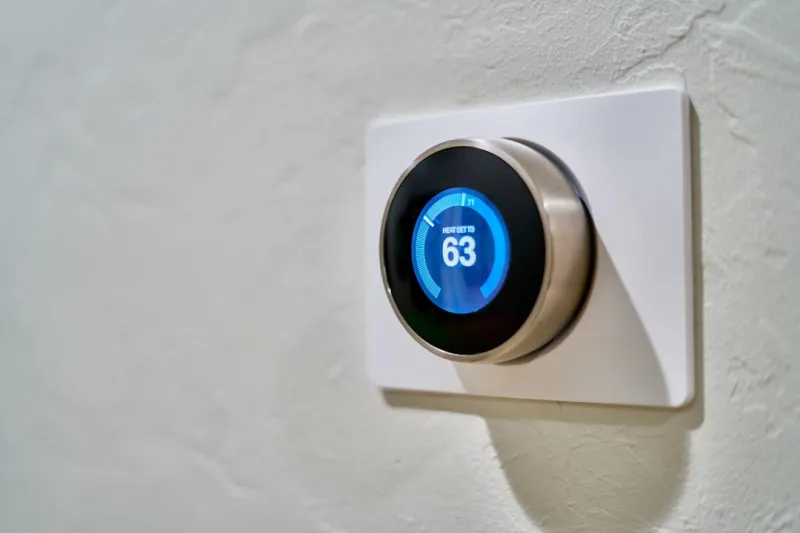
Explore cutting‑edge HVAC strategies—from smart thermostats to renewable integrations—that deliver year‑round comfort, lower bills, and a greener home....Read More

Design‑Build Meets Augmented Reality: Real‑Time Collaboration for Smarter Projects
Augmented reality is reshaping design‑build workflows by overlaying 3‑D models onto physical sites, enabling real‑time feedback, material traceability, an...Read More

Reimagining Decks: Turning Outdoor Platforms into Data‑Driven Business Assets
This post explores how modern decks can evolve from seasonal patios into intelligent, revenue‑generating platforms by integrating sensors, smart power, and Sa...Read More
0 Comments
Post Comment
You will need to Login or Register to comment on this post!