
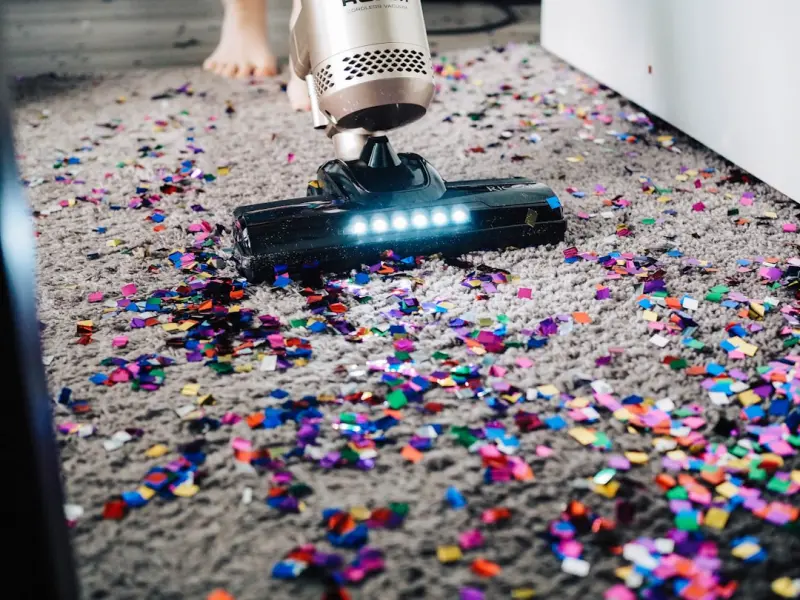
Why Carpet Cleaning Impacts More Than Looks
When you walk across a carpet, the softness you feel is just the surface of a complex ecosystem. Dust, pollen, and microscopic particles embed themselves deep within the fibers, turning a decorative element into a hidden health risk. By treating carpet care as a preventative health measure, you protect indoor air quality, reduce allergens, and create a more comfortable environment for every occupant.
Decoding Carpet Fibers: Tailored Cleaning Strategies
Not all carpets are created equal; wool, nylon, polyester, and olefin each respond differently to moisture, heat, and cleaning agents. Wool, for example, thrives on gentle steam and low‑pH solutions, while polyester tolerates stronger detergents without losing its color vibrancy. Understanding the fiber composition allows you to select the right method, preventing premature wear and extending the carpet’s lifespan.
Indoor Air Quality and the Allergy Connection
Carpets act like giant filters, trapping allergens that later re‑enter the air when disturbed. For households with asthma or seasonal allergies, regular deep cleaning can cut airborne irritants by up to 40 %. Incorporating HEPA‑rated vacuums and low‑moisture extraction techniques ensures that the cleaning process removes, rather than redistributes, these particles.
Eco‑Friendly DIY Solutions You Can Trust
Commercial cleaners often rely on harsh chemicals that linger in the home’s micro‑environment. Simple, natural alternatives—such as a mixture of white vinegar, baking soda, and a few drops of essential oil—provide effective stain removal while staying gentle on fibers and the planet. These solutions break down grime without leaving toxic residues, making them ideal for families seeking greener living.
Smart Tools: When Technology Meets Carpet Care
Advancements in sensor technology now allow homeowners to monitor carpet humidity and soil levels in real time. Handheld devices can alert you when a high‑traffic area needs attention, prompting targeted spot cleaning before stains set. Pairing these tools with app‑controlled steam cleaners creates a seamless maintenance routine that saves time and reduces overall water usage.
Professional vs. DIY: Knowing When to Call the Experts
While everyday upkeep can be handled with household products, deep‑cleaning scenarios—such as water damage or stubborn pet stains—often require professional equipment and expertise. Certified technicians use truck‑mounted extractors that reach deeper than consumer‑grade machines, ensuring thorough extraction and faster drying times. Knowing the line between routine care and specialized intervention protects both your carpet and your budget.
Managing High‑Traffic Zones Without Compromise
Entryways, hallways, and living‑room centers endure the most footfall, making them prone to rapid wear. Deploying low‑pile rugs, implementing a “no shoes” policy, and rotating furniture can distribute pressure more evenly. Additionally, applying a breathable, eco‑friendly protector can shield fibers from spills while allowing the carpet to breathe, preserving its softness and appearance.
Future‑Facing Trends: Antimicrobial Treatments and Sustainable Fibers
Manufacturers are now embedding silver‑based antimicrobial agents directly into carpet fibers, inhibiting bacterial growth and odor formation. Simultaneously, recycled PET and bio‑based yarns are gaining traction, offering comparable durability with a reduced carbon footprint. Embracing these innovations positions your home at the forefront of a healthier, more sustainable flooring future.
Putting It All Together: A Balanced Cleaning Routine
Start with a weekly vacuum using a HEPA filter, follow with spot‑cleaning using a natural solution, and schedule a deep clean—whether DIY with a steam cleaner or professional—every six to twelve months. Incorporate smart sensors to stay ahead of heavy use, and choose sustainable fibers when it’s time for replacement. This layered approach delivers lasting freshness, protects health, and respects the environment.

Tom Ferguson is a Canadian freelance writer with a passion for storytelling, current events, and thoughtful commentary. Drawing on years of writing experience, he shares engaging insights on a wide range of topics, bringing a uniquely Canadian perspective to his work.
Related Posts
Green Carpet Cleaning: Turning Sustainability Into Facility Performance
Discover the strategic advantages of green carpet cleaning, from water and energy savings to improve... Read More
The Secret Science Behind Spot‑Free Carpets: A Homeowner’s Guide
Explore the hidden science of carpet fibers, stain types, and sustainable cleaning methods that keep... Read More

From Dust to Data: Making Carpet Cleaning a Strategic Asset
Clean carpets do more than look good—they act as a hidden health filter, reduce energy use, and ca... Read More
Top Posts

Reimagining the Sunroom: A Passive‑Living Sanctuary for Health, Energy, and Community
A sunroom can be more than a decorative add‑on; by harnessing daylight, passive solar heating, subtle biophilic elements, and smart yet unobtrusive controls, ...Read More

Beyond the Sheet: How Innovative Drywall Practices Are Redefining Interiors
A deep dive into modern drywall trends—from low‑VOC joint compounds and smart tools to moisture‑resistant boards and integrated tech—showing how to crea...Read More

Silent Sanctuaries: Boosting Acoustic Comfort with Smart Windows and Doors
Explore the power of acoustic windows and doors to silence street noise, improve wellbeing, and add lasting value to your home with expert design and smart tech...Read More

The Sunroom Renaissance: Harnessing Light, Heat, and Flexibility for Modern Living
A modern sunroom does more than add square footage; it captures free solar energy, balances temperature year‑round, and offers a flexible space for work, well...Read More
0 Comments
Post Comment
You will need to Login or Register to comment on this post!