
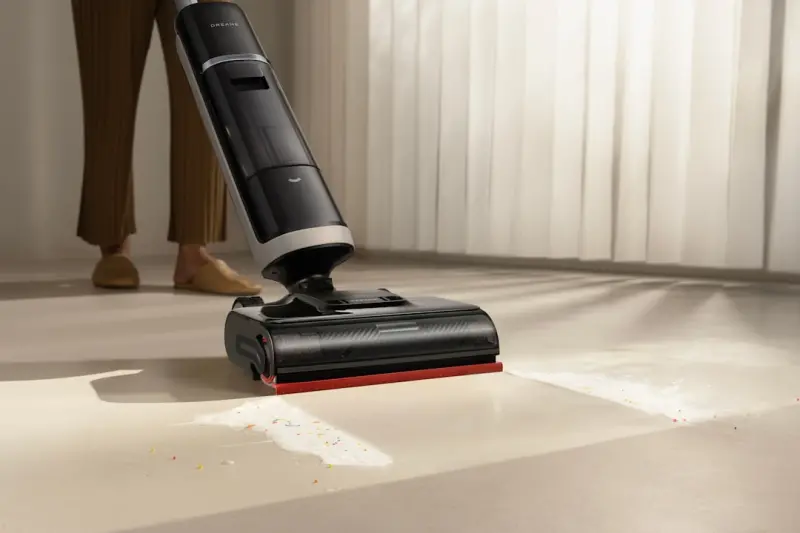
Why Carpet Care Is No Longer a After‑thought
When I first started writing about interiors, carpets were the quiet background—soft underfoot, aesthetically pleasing, but rarely the star of the conversation. Over the past few years I’ve watched the narrative shift dramatically. In today’s hybrid‑work era, the carpet is becoming a data‑rich interface that speaks directly to health, sustainability, and even employee morale. If you still think a quick vacuum is enough, you’re missing a whole ecosystem of insights that can be harvested, analyzed, and acted upon.
The Hidden Cost of Ignoring Your Carpet
Carpets act like giant filters, trapping dust, allergens, and microscopic pollutants that constantly circulate in the air we breathe. A study from the International Society of Indoor Air Quality found that a single square foot of carpet can hold up to 2,500 µg of particulate matter—equivalent to the weight of a small paper clip. Over time, these particles become a chronic source of indoor‑air contamination, contributing to headaches, fatigue, and even exacerbated asthma.
But the problem isn’t just health‑related. For commercial spaces, the hidden cost translates into higher HVAC load, increased energy consumption, and eventually, a noticeable dip in employee productivity. The real expense is the invisible loss of focus and well‑being that a neglected carpet silently steals.
Enter the Age of Sensor‑Powered Carpet Management
Imagine a carpet that can tell you when it’s time for a deep clean, just like a smartwatch nudges you to move. That’s the promise of IoT‑enabled fiber sensors. These ultra‑thin, flexible devices are woven directly into the carpet backing during manufacturing. They continuously monitor:
- Moisture levels (detecting spills before they become stains)
- Particulate accumulation (measuring how many particles are trapped)
- Micro‑climate changes (temperature and humidity that affect mold growth)
- Foot‑traffic density (identifying high‑use zones that need more frequent attention)
All the data streams to a cloud‑based dashboard where building managers can set automated alerts, schedule cleaning crews, and even predict future wear patterns using machine‑learning algorithms.
From Data to Action: Predictive Cleaning Algorithms
Predictive cleaning isn’t science fiction; it’s an emerging reality in forward‑thinking facilities. By feeding sensor data into a model that also considers local weather patterns, occupancy schedules, and cleaning product efficacy, the system can forecast the exact moment a carpet will reach a “critical threshold” of contamination.
When the threshold is predicted to be hit within the next 48 hours, the platform automatically sends a work order to the cleaning crew, complete with:
- Specific zones requiring attention
- Recommended cleaning method (dry‑foam, low‑moisture extraction, or enzyme‑based treatment)
- Estimated downtime for each zone
This proactive approach reduces the average time a carpet spends in a compromised state by up to 70 % and cuts overall cleaning costs by 30 % because crews only work when needed, not on a fixed weekly schedule.
Eco‑Friendly Enzyme Cleaners: The Sustainable Counterpart
While technology tells us when to clean, chemistry tells us how to clean responsibly. Traditional carpet shampoos often rely on harsh surfactants that linger in the fibers, leaching into the environment during subsequent cleaning cycles. The new wave of enzyme‑based cleaners offers a greener alternative. These bio‑catalysts break down organic stains—think coffee, wine, pet accidents—into harmless by‑products like water and carbon dioxide.
Enzyme cleaners work at a molecular level, meaning they require less water and lower temperatures to be effective. The result? A 40 % reduction in energy use per cleaning session and a dramatically lower chemical footprint. When paired with sensor‑driven scheduling, you end up with a carpet care routine that is both data‑smart and planet‑smart.
Case Study: A Tech Campus That Went Green with Carpet Data
One of my recent visits took me to a sprawling tech campus in the Pacific Northwest that had adopted a full‑stack carpet management solution. They installed fiber sensors across 250,000 sq ft of high‑traffic carpet and integrated the data with their existing building‑automation system. Here’s what happened over a six‑month pilot:
- Air quality improvement: Measured particulate counts in the office air dropped by 22 % after the first three months.
- Energy savings: HVAC load decreased by 12 % because cleaner carpets allowed for more efficient air circulation.
- Employee satisfaction: A post‑occupancy survey showed a 15 % rise in “comfort” scores, directly correlated with the areas that received sensor‑triggered cleaning.
- Cost reduction: The campus saved an estimated $85,000 in cleaning expenses by eliminating unnecessary deep‑clean cycles.
The success story was highlighted in a broader discussion on how data can drive sustainability across building systems. If you’re interested in the bigger picture of data‑enabled building strategies, you might enjoy reading about Building Smarter Foundations.
Integrating Carpet Care into the Holistic Wellness Strategy
Well‑being at work has become a buzzword, but it’s more than meditation rooms and ergonomic chairs. The floor you walk on influences your posture, your gait, and even your stress levels. A carpet that feels soft yet supportive can reduce the incidence of foot fatigue, which in turn affects focus.
When combined with the data from foot‑traffic sensors, you can map out “wellness hot spots”—areas where employees linger, collaborate, or take short breaks. By ensuring those zones stay clean and fresh, you’re essentially curating an environment that encourages productive pauses rather than disruptive distractions.
Choosing the Right Carpet for a Data‑Driven Future
If you’re at the planning stage, consider these three factors to future‑proof your flooring:
- Fiber composition: Nylon and polyester remain the most resilient, but emerging bio‑based fibers like Tencel offer natural antimicrobial properties.
- Loop vs. cut‑pile: Loop piles trap less dirt and are easier for sensors to read, while cut‑piles provide a plush feel but may require more frequent cleaning.
- Compatibility with sensors: Choose carpets that are rated for sensor integration. Many manufacturers now offer a “smart‑ready” line that includes a built‑in conduit for fiber sensors.
Investing in a carpet that works with technology pays dividends. It reduces the need for aggressive chemical treatments and aligns with the growing corporate demand for measurable sustainability metrics.
The Human Touch Still Matters
Technology is a powerful ally, but it doesn’t replace the expertise of a seasoned carpet technician. Skilled professionals can interpret sensor data, identify the most appropriate cleaning method, and ensure that delicate fibers aren’t damaged in the process. Think of the sensor as the “early warning system” and the technician as the “first responder.”
Moreover, technicians can educate building occupants about proper carpet etiquette—removing shoes, handling spills promptly, and using entry mats. This cultural shift reinforces the data insights and creates a virtuous cycle of cleanliness and care.
Looking Ahead: The Role of AI in Carpet Longevity
Artificial intelligence is set to deepen its footprint in the carpet care ecosystem. Future platforms will not only predict when to clean but also suggest optimal cleaning agents based on the specific stain composition detected by the sensors. Imagine a system that says, “A coffee spill has been detected; deploy low‑temperature enzyme foam for a 20 % faster stain removal.”
AI can also simulate wear patterns under different foot‑traffic scenarios, allowing architects to design spaces that distribute load more evenly, extending carpet life by up to 25 %.
For those curious about how AI and sustainability intersect in other design elements, the article on Smart Wallpaper provides a glimpse into the broader movement of intelligent, eco‑conscious interiors.
Practical Steps to Get Started Today
If you’re ready to transition from reactive vacuuming to proactive, data‑driven carpet stewardship, follow this roadmap:
- Audit your current carpet inventory: Identify high‑traffic zones and note fiber types.
- Partner with a sensor vendor: Look for solutions that are retrofittable if you can’t replace the carpet entirely.
- Choose an enzyme‑based cleaning provider: Ensure they have experience with low‑moisture, sensor‑compatible processes.
- Integrate data dashboards: Connect carpet sensor feeds to your existing building‑management system for a unified view.
- Train your facilities team: Provide workshops on interpreting sensor alerts and best‑practice cleaning techniques.
- Monitor and iterate: Use the analytics to refine cleaning schedules, adjust sensor thresholds, and report sustainability metrics to stakeholders.
By taking these steps, you’ll turn a once‑overlooked floor covering into a strategic asset that supports health, sustainability, and bottom‑line performance.
Conclusion: From Underfoot to Front‑line
The carpet is no longer a silent bystander. It’s a living component of the building ecosystem—collecting data, influencing air quality, and shaping occupant experience. When you blend sensor technology, enzyme chemistry, and human expertise, you unlock a new level of operational intelligence that resonates across health, sustainability, and cost efficiency.
So the next time you glide your hand across a plush rug, remember that beneath that softness lies a network of insights waiting to be leveraged. Embrace the shift, and let your carpet become the front‑line defender of a healthier, greener, and more productive environment.

When it comes to the world of blogging and writing, Rose DesRochers is a name that stands out. Her passion for creating quality content and connecting with her audience has made her a trusted voice in the industry. Aside from her skills as a writer and blogger, Rose is also known for her compassionate nature.
Related Posts

Why Carpet Cleaning Is the Unsung Hero of a Healthy Home
A deep dive into the health, environmental, and financial benefits of proper carpet cleaning, featur... Read More

Smart Carpet Care: Turning Floors into a Strategic Wellness Asset
Smart carpet cleaning isn’t just about spotless floors—it’s a proactive health strategy that e... Read More

Science‑Driven Carpet Care: Extending Life and Boosting Indoor Health
A deep dive into science‑based carpet cleaning: learn how fiber knowledge, sustainable agents, sma... Read More
Top Posts

Designing for the Senses: A New Era of Experiential Interiors
A deep dive into sensory‑first interior design, blending biophilic principles, acoustic comfort, textile storytelling, and flexible layouts to create immersiv...Read More

Foundations That Think: Building Smarter From the Ground Up
A deep dive into responsive foundations—how embedded sensors, modular design, and low‑carbon concrete turn the ground level into a dynamic, data‑driven as...Read More

The Unexpected Power of Mixed‑Material Flooring: Style, Sound, and Sustainability
Explore the art of mixed‑material flooring—combining reclaimed wood, stone, and smart underlays—to boost acoustic comfort, sustainability, and timeless st...Read More
Harnessing Predictive Analytics to Transform Property Maintenance
A deep dive into building a data‑driven, predictive maintenance ecosystem—covering sensor strategy, machine learning models, workflow integration, and cultu...Read More
0 Comments
Post Comment
You will need to Login or Register to comment on this post!