
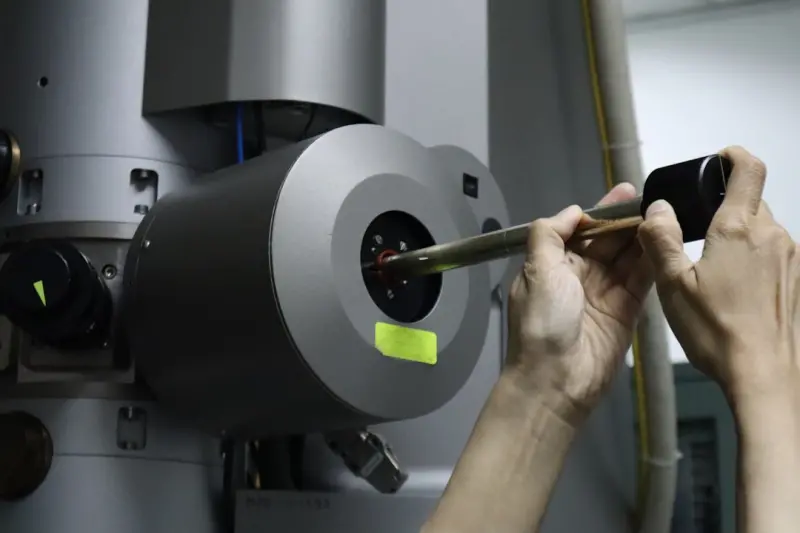
Why Smart Sensors Are the New Frontier in Home Inspection
When I first walked onto a job site with a handheld moisture meter in one hand and a clipboard in the other, I never imagined that a few years later I’d be reviewing real‑time data streams from a network of tiny, wireless devices perched in attics, basements, and crawl spaces; the evolution from analog tools to digital sensors feels like moving from a candle to a floodlight, illuminating hidden problems before they become costly repairs, and this shift has fundamentally changed the way I approach every inspection, demanding a blend of traditional craftsmanship and modern analytics; as a veteran inspector, I’ve learned that the most valuable insight often comes from a sensor quietly humming in the walls, reporting temperature fluctuations that hint at insulation failures or humidity spikes that signal a lurking mold risk, and embracing this technology has allowed me to deliver reports that are not only more thorough but also more defensible in the eyes of buyers, sellers, and lenders alike.
Data‑Driven Inspections Deliver Tangible Value
The biggest advantage of integrating smart sensors into the inspection workflow is the ability to capture objective, time‑stamped data that can be visualized and compared across seasons, turning a snapshot observation into a longitudinal study of a home’s health, which means that when a client asks why a particular area feels colder in winter, I can point to a week‑long temperature log that shows a consistent 5‑degree drop, correlating that dip with inadequate insulation or air leakage; this level of evidence builds trust and often sways negotiations in favor of necessary repairs, and it also dovetails nicely with the broader conversation about energy efficiency, a topic I’ve explored in depth in my piece on HVAC maintenance insights, where we discussed how proactive measures save money and improve comfort, now amplified by real‑time sensor feedback.
Core Sensors Every Modern Inspector Should Deploy
To start building a robust sensor suite, I focus on three categories that cover the majority of hidden defects: temperature and humidity sensors that reveal thermal bridges, condensation, and potential mold growth; water leak detectors that emit alerts the moment a pipe bursts or a slab develops a crack, often before any visible water damage appears; and air quality monitors that track carbon dioxide, volatile organic compounds, and particulate matter, providing a snapshot of indoor health that is increasingly demanded by environmentally conscious buyers; each device typically communicates via Bluetooth or Wi‑Fi to a central hub, allowing me to pull a consolidated dashboard on my tablet, and by placing them strategically—near the furnace, in the attic, and along exterior walls—I can map the house’s performance envelope with a granularity that was impossible just a few years ago.
Elevating Roof and Envelope Analysis with Drones and Thermal Imaging
Beyond stationary sensors, aerial platforms equipped with thermal cameras have become indispensable for assessing roof integrity and envelope sealing, especially on multi‑story properties where ladder access is risky and time‑consuming; a drone can fly over a shingled roof, capture a thermal gradient map that highlights moisture‑laden spots, and feed that data directly into my inspection report, allowing me to pinpoint a failing flash‑ing or a missing vent without climbing onto the roof; similarly, handheld thermal scanners paired with infrared‑sensitive smartphones can reveal hidden insulation voids behind drywall, and when those thermal anomalies are cross‑referenced with humidity sensor data, the conclusion about a potential energy loss or structural issue becomes undeniable, giving clients a clear picture of where to prioritize remediation.
A Real‑World Case Study: Turning Sensor Data Into Actionable Insight
Last month I inspected a historic bungalow where the owners reported occasional damp smells in the basement, a symptom that could have been dismissed as a minor nuisance, but by deploying a network of humidity sensors along the foundation walls, I recorded a nightly surge that coincided with a heavy rain event, and the data showed a 20% rise in moisture within two hours of the storm, confirming a slow leak in the exterior drainage system that traditional visual checks had missed; armed with this evidence, I recommended installing a French drain and a sump pump, and the homeowner was able to negotiate a price reduction with the buyer based on the documented repair plan, illustrating how sensor‑backed findings not only protect the structural integrity of the home but also preserve its market value.
Boosting Buyer Confidence and Negotiation Power
When a prospective buyer sees a report that includes sensor logs, temperature curves, and humidity trends, they feel more informed and less anxious about unknowns, which often translates into smoother transactions and fewer contingencies, and the added transparency can be a decisive factor in a competitive market where every advantage counts; moreover, lenders and insurance underwriters are beginning to recognize the merit of these data points, sometimes offering better rates or lower premiums for homes that demonstrate proactive monitoring, and this emerging synergy between inspection technology and financial incentives underscores the strategic importance of adopting smart sensors as a standard practice rather than a niche novelty.
Managing Challenges: False Positives, Data Overload, and Privacy
While the benefits are compelling, the transition to sensor‑rich inspections does introduce new hurdles that inspectors must navigate, such as calibrating devices to avoid false alarms caused by transient environmental changes, establishing clear thresholds that differentiate a genuine issue from a harmless fluctuation, and ensuring that the volume of data collected does not overwhelm the client or the inspector, which is why I recommend using concise visual summaries like heat maps and trend graphs rather than raw CSV files; additionally, respecting homeowner privacy is paramount—sensors should never record audio or video without explicit consent, and all data transmission must be encrypted to protect sensitive information, reinforcing the professional integrity that clients expect from a seasoned inspector.
Practical Steps to Integrate Sensors Into Your Inspection Business
For inspectors ready to embrace this technology, the first step is to select a reliable sensor platform that offers easy installation, cloud‑based storage, and mobile app integration, followed by a short training session to become fluent in interpreting the data outputs, and I found the flooring fundamentals guide particularly useful for understanding how humidity readings can affect subfloor stability, which directly ties into sensor placement strategies; next, I suggest creating a standardized checklist that includes sensor deployment locations, calibration procedures, and data capture timelines, ensuring consistency across jobs; finally, update your reporting templates to embed sensor graphs and explain their implications in plain language, thereby turning raw numbers into actionable recommendations that add measurable value for your clients.
Looking Ahead: AI‑Powered Analysis and the Future of Home Inspection
As the Internet of Things continues to expand, the next logical evolution is the integration of artificial intelligence that can automatically detect anomalies, predict failure points, and even recommend maintenance schedules based on historical trends, effectively turning the inspector’s role from a snapshot evaluator to a long‑term health advisor for the home, and I envision a future where a homeowner’s smart hub alerts the inspector of emerging issues before the next scheduled visit, allowing for pre‑emptive interventions that save time, money, and stress; until that day arrives, the combination of diligent observation, seasoned expertise, and strategic sensor deployment remains the most powerful toolkit in a modern inspector’s arsenal, and I encourage my peers to experiment, learn, and lead the industry toward a data‑driven, transparent, and resilient future.

David MacKinnon is a dynamic freelance writer known for his captivating storytelling and keen insights into the world of technology. With a passion for exploring the intersection of innovation and everyday life, he crafts engaging narratives that not only inform but also inspire his readers.
Related Posts

Beyond the Checklist: Advanced Techniques Every Homebuyer Should Demand
Learn why modern home inspections require thermal imaging, moisture sensors, and advanced electrical... Read More

Drone‑Enabled Home Inspections: The Future is Now
A deep dive into how drones, AI, and thermal imaging are reshaping home inspections, offering faster... Read More

Beyond the Checklist: How AI and Drones Are Reinventing Home Inspections
Traditional home inspections miss hidden moisture, energy leaks, and structural fatigue. By integrat... Read More
Top Posts

Snow Removal 2.0: Data‑Driven Winter Efficiency
A data‑centric approach to snow removal leverages sensors, AI dispatch, and autonomous equipment to reduce costs, improve safety, and ensure uninterrupted acc...Read More
The Rise of Sustainable General Contracting: A New Era for Home Renovations
Sustainable general contracting is on the rise, and it's changing the way we approach home renovations. Learn about the benefits, eco-friendly materials, and in...Read More
How to refinish your Deck to make it look like new again
Revitalize your outdoor living space by following this step-by-step guide to deck maintenance. Learn the professional techniques for cleaning, sanding, and stai...Read More

When Your Alarm Thinks Like You: The Next Evolution of Home Security
Home alarm systems are evolving from reactive devices into proactive, AI‑powered platforms that learn your habits, cut false alerts, and connect with neighbor...Read More
0 Comments
Post Comment
You will need to Login or Register to comment on this post!