
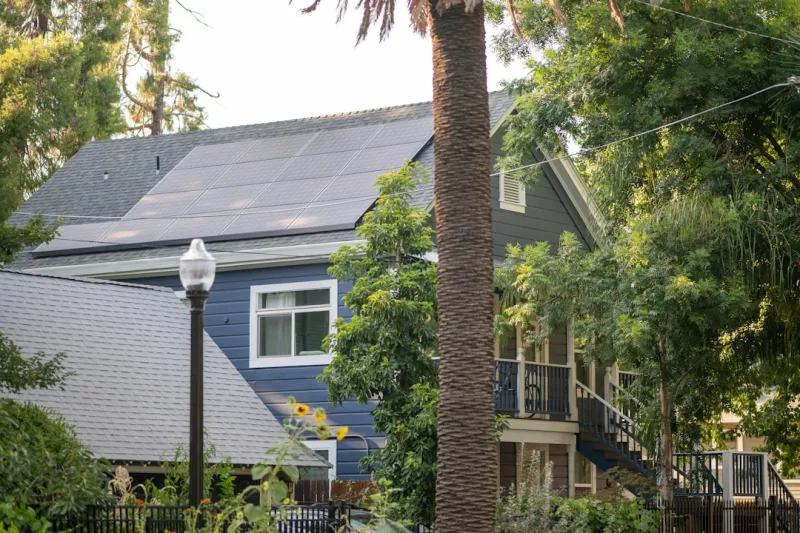
Why Modern Home Inspections Are More Than a Check‑list
When I first pulled on my inspection gloves, the job felt like a detective story—every creak, every patch of moisture was a clue pointing to the health of a home’s envelope, its systems, and its future resale value. Over the years I’ve watched the industry pivot from a simple structural audit to a holistic review that includes sustainability, energy efficiency, and smart‑home integration, because today’s buyers care as much about carbon footprints as they do about square footage. This shift means that an inspector must not only spot a leaky roof but also understand how that leak interacts with the house’s overall energy performance, ventilation strategy, and even the potential for future upgrades like solar‑ready roofing.
The Hidden Costs of Ignoring Weather Proofing
One of the most common red flags I encounter is inadequate weather sealing, especially around windows, doors, and roof penetrations; these gaps are silent thieves that bleed heated or cooled air, driving up utility bills and accelerating wear on HVAC components. The solution isn’t just a quick caulk job—it’s a strategic approach that aligns with Mastering Home Weather Proofing: A Sustainable, Smart Approach, where we evaluate the building’s envelope, prioritize high‑impact zones, and recommend materials that balance durability with environmental responsibility. By treating weather proofing as a proactive investment rather than an after‑the‑fact repair, homeowners can lock in savings, improve indoor comfort, and future‑proof their property against increasingly erratic climate patterns.
Smart Windows: The New Frontier in Inspection
As smart technology weaves its way into every corner of modern homes, windows have evolved from passive glass panels to active energy managers that can tint, ventilate, and even generate power. During inspections I now assess not only the physical condition of frames and seals but also the functionality of integrated sensors, automation scripts, and low‑emissivity coatings that contribute to overall efficiency. For readers eager to dive deeper, the article The Rise of Smart, Sustainable Window Treatments offers a comprehensive look at how these innovations can reduce heating loads, enhance daylighting, and integrate with home automation platforms—information that is invaluable when you’re evaluating a property’s long‑term value.
Plumbing Inspections: More Than Just Leaks
When I crawl under a slab or lift a bathtub, I’m not just hunting for drips; I’m evaluating water usage patterns, pipe insulation, and the potential for back‑flow contamination that can compromise indoor air quality. Aging copper or PVC runs can be a source of hidden water loss, especially in homes that haven’t been retrofitted with pressure‑regulating devices, and the cost of a silent leak over a year can eclipse the price of a full system upgrade. By recommending low‑flow fixtures, insulated supply lines, and periodic pressure testing, I help homeowners align their plumbing with sustainable practices that conserve water and reduce the strain on municipal resources.
Electrical Systems: Safety Meets Sustainability
The electrical panel is the heart of any modern residence, and a thorough inspection reveals whether the wiring can safely handle the load from new smart appliances, electric vehicle chargers, and home battery systems. I pay close attention to outdated breakers, undersized conductors, and the presence of GFCI protection in wet areas, because neglect here can lead to fire hazards and costly downtime. Pairing safety upgrades with energy‑saving solutions—like smart thermostats and LED retrofits—creates a dual benefit: you protect your home while cutting down on electricity consumption, a win–win that resonates with today’s eco‑conscious buyers.
Roofing and Attic Ventilation: The Unsung Heroes
A roof is more than a shelter; it’s a climate moderator that, when properly ventilated, can extend the lifespan of insulation, prevent moisture buildup, and keep attic temperatures in check. I frequently encounter homes with inadequate soffit vents or obstructed ridge vents, which trap heat in the summer and promote condensation in the winter, leading to mold growth and structural decay. By recommending breathable roofing membranes, strategically placed vents, and reflective coatings, I help homeowners create a roof system that works in tandem with their HVAC, reducing the need for excessive cooling and heating cycles.
DIY Repairs: Turning Small Fixes into Sustainable Wins
One of the most rewarding aspects of my work is empowering owners to handle minor issues themselves, which not only saves money but also fosters a deeper connection to the property’s health. Simple actions—like resealing cracked caulk, tightening loose deck joists, or replacing a worn weatherstripping seal—can have outsized effects on energy efficiency and indoor air quality. For step‑by‑step guidance, my readers love the practical tips in DIY Home Repairs: Turning Everyday Fixes into Sustainable Wins, where I break down the tools, materials, and safety precautions needed to turn everyday maintenance into a green advantage.
Indoor Air Quality: The Silent Indicator of Home Health
Beyond the visible components, I’m increasingly asked to evaluate indoor air quality, a factor that can dramatically affect occupant health and comfort, especially in airtight, energy‑efficient homes. I test for common pollutants like volatile organic compounds (VOCs), radon, and particulate matter, and I assess ventilation strategies such as heat‑recovery ventilators (HRVs) that can bring fresh air in without sacrificing thermal performance. When deficiencies arise, I suggest solutions ranging from upgraded filtration systems to strategically placed exhaust fans, ensuring that the home breathes as easily as it conserves energy.
Future‑Proofing: Preparing Homes for the Next Wave of Smart Tech
Finally, a forward‑looking inspection includes a roadmap for integrating emerging technologies—think home energy dashboards, AI‑driven climate control, and modular solar arrays—that can elevate a property’s market appeal and long‑term resilience. I advise homeowners to lay conduit pathways, reserve space in electrical panels, and choose flexible insulation that can accommodate future retrofits without invasive demolition. By treating the inspection as a strategic planning session, you not only safeguard the present condition of the home but also position it to adapt gracefully to the inevitable evolution of smart, sustainable living.

Tom Ferguson is a Canadian freelance writer with a passion for storytelling, current events, and thoughtful commentary. Drawing on years of writing experience, he shares engaging insights on a wide range of topics, bringing a uniquely Canadian perspective to his work.
Related Posts

Beyond the Checklist: How AI and Drones Are Reinventing Home Inspections
Traditional home inspections miss hidden moisture, energy leaks, and structural fatigue. By integrat... Read More

The Critical Role of Sustainable Practices in Home Inspections: A Comprehensive Guide
A comprehensive home inspection should consider sustainable practices, energy efficiency, and enviro... Read More

The Critical Role of Sustainable Practices in Home Inspections
Sustainable practices play a critical role in home inspections, enabling homeowners to identify oppo... Read More
Top Posts
Fencing 2.0: Sustainable, Smart, and Stylish Boundaries
A deep dive into how fencing is evolving from a simple barrier into a sustainable, data‑driven design element that enhances security, aesthetics, and environm...Read More

Reinventing Window Treatments: The New Frontier of Wellness and Productivity
Explore how adaptive window treatments transform indoor environments by enhancing health, reducing noise, conserving energy, and reinforcing brand identity, all...Read More
Beyond the Checklist: A Human‑Focused Home Inspection Strategy for Resilient Living
A human‑centric home inspection goes beyond ticking boxes, uncovering hidden health risks, climate vulnerabilities, and efficiency opportunities. Learn how to...Read More

Tile Trends That Blend Style, Sustainability, and Smart Savings
Explore cutting‑edge tile materials, sustainable installation methods, and maintenance hacks that let you create stunning, long‑lasting floors while reducin...Read More
0 Comments
Post Comment
You will need to Login or Register to comment on this post!