
Why Thermal Imaging Is the Game‑Changer Every Home Inspector Needs
When I first picked up a handheld infrared camera a decade ago, I thought it would be a neat gadget for occasional “wow” moments. Fast forward to today, and that same device has become the linchpin of my inspection toolkit. It’s not just about spotting cold spots; it’s about translating invisible energy patterns into actionable data that saves homeowners thousands and keeps me honest as a professional.
The Science Behind the Lens
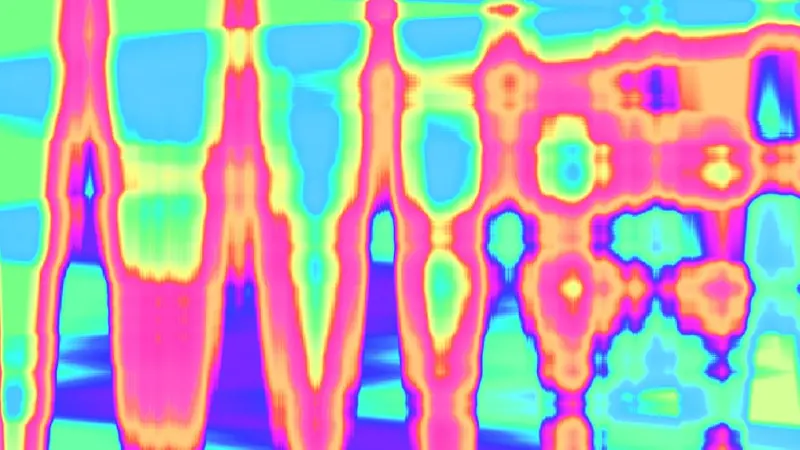
Thermal imaging works on a simple principle: every object emits infrared radiation proportional to its temperature. A sensor captures this radiation and translates it into a color‑coded image—hotter areas appear in reds and oranges, cooler ones in blues and purples. The magic lies in the interpretation. A wall that looks pristine to the eye may reveal a hidden moisture pocket, an electrical panel could betray an overheating connection, or a floor might show heat loss that traditional visual checks miss.
From Cold Spots to Cost Savings
Moisture intrusion is the #1 cause of post‑purchase headaches. Leaks behind drywall, faulty flashing, or a cracked foundation often remain concealed until rot, mold, or structural failure appears. A thermal scan can pinpoint a temperature differential as small as 0.5°C, flagging hidden water before it spreads. Homeowners who address the issue early typically avoid remediation costs that can easily exceed $10,000.
Energy inefficiency is another silent culprit. A poorly insulated attic or drafty window frame will show up as a distinct “cold halo” on the infrared image. By quantifying the heat loss, I can recommend targeted upgrades—adding attic insulation, sealing gaps, or swapping out windows—yielding measurable reductions on utility bills.
Electrical safety gets a fresh lens, too. Overloaded circuits, loose connections, or failing appliances generate excess heat long before a breaker trips. A quick sweep of the service panel and major outlets can surface these hotspots, allowing a licensed electrician to intervene before a fire hazard materializes.
Integrating Thermal Imaging Into a Structured Inspection Workflow
It’s tempting to treat thermal imaging as a “bonus” add‑on, but the most reliable inspectors embed it into a disciplined process:
- Pre‑inspection briefing: Gather information about the home’s age, recent renovations, known problem areas, and the homeowner’s concerns.
- Exterior sweep: Scan roofs, walls, foundations, and windows during the early morning or late afternoon when temperature gradients are greatest.
- Interior walkthrough: Focus on basements, attics, kitchens, and utility rooms. Pay special attention to plumbing stacks, HVAC ducts, and electrical panels.
- Documentation: Capture thermal images alongside conventional photos, annotate temperature readings, and cross‑reference with the written report.
- Follow‑up recommendations: Translate every thermal anomaly into a clear, prioritized action item—whether it’s a simple sealant job or a call to a specialist.
Choosing the Right Gear
Not all thermal cameras are created equal. For residential inspections, I look for:
- Resolution: At least 160×120 pixels; higher resolution provides clearer detail in tight spaces.
- Temperature range: –20°C to +250°C (or –4°F to +482°F) covers most household scenarios.
- Emissivity settings: Adjustable emissivity compensates for different surface materials—paint, wood, metal, or glass.
- Integrated Wi‑Fi: Allows immediate image transfer to a tablet, where I can add notes on the spot.
Investing in a quality unit may seem pricey, but the ROI comes from increased client trust, higher referral rates, and the ability to command premium fees for a “thermal‑enhanced” inspection.
Case Study: Detecting a Hidden Crawl‑Space Leak
One recent project illustrates the power of infrared. A family purchased a charming ranch house with a new carpet and fresh paint—no visible signs of trouble. During the inspection, a subtle cold line appeared along the exterior wall on the thermal screen. The image hinted at moisture behind the siding.
We lifted a small section of the trim and discovered a cracked underground pipe feeding the sprinkler system. The leak had been slowly saturating the crawl‑space, threatening the foundation. Because the issue was identified early, the homeowner avoided a potential structural repair that could have cost upwards of $15,000. The thermal camera turned a routine inspection into a lifesaver.
Beyond Walls: How Thermal Imaging Supports Whole‑Home Health
While walls and roofs are the usual suspects, infrared can also aid in:
- HVAC performance checks: Verifying that supply and return ducts are balanced, identifying blocked vents, and confirming that the furnace is distributing heat evenly.
- Appliance diagnostics: Spotting overheating in refrigerators, water heaters, or laundry machines before they fail.
- Foundation assessment: Mapping temperature gradients across slab‑on‑grade floors to locate areas of moisture migration.
These applications broaden the scope of a home inspection, positioning it as a proactive health check rather than a reactive checklist.
Leveraging Data for Better Insights
Thermal images are data points. By archiving them in a cloud‑based platform, I can track trends across multiple properties—identifying common failure zones in certain construction styles or geographic areas. This data-driven approach helps refine my inspection checklist over time, making each subsequent visit smarter.
For those interested in the broader implications of data in building performance, there’s a fascinating read on how data‑driven surfaces are reshaping urban environments. While the focus there is on streets, the principle of turning raw sensor data into actionable insight is directly applicable to our thermal scans.
Integrating Thermal Imaging With Other Emerging Tools
The inspection industry is experiencing a wave of technology convergence:
- Drones: A small quadcopter equipped with a thermal camera can safely scan steep roofs or hard‑to‑reach chimney crowns without a ladder.
- AI analysis: Machine‑learning algorithms can automatically flag temperature anomalies, reducing the chance of human oversight.
- Smart home data: When homeowners have thermostat logs or energy monitors, those datasets can be cross‑referenced with thermal findings for a comprehensive energy audit.
In my practice, I’ve begun pairing drone footage with ground‑level scans, creating a 3‑D thermal model of the property. The result is a vivid, interactive report that homeowners can explore on their tablets, seeing exactly where heat loss or moisture intrusion occurs.
Educating Homeowners: The Value of Transparency
One of the biggest hurdles is demystifying the technology for clients. I make it a habit to show them the live thermal feed during the walkthrough, pointing out the color shifts and explaining why a red hotspot matters. This visual storytelling builds trust and justifies the investment in a thorough inspection.
For those curious about other aspects of home health, a quick look at duct cleaning insights can illustrate how hidden contaminants affect indoor air quality—another layer of the comprehensive approach I champion.
Best Practices for Homeowners Preparing for a Thermal Inspection
To get the most out of a thermal scan, homeowners should:
- Clear access: Remove furniture or obstacles that block walls, ceilings, or attic spaces.
- Set thermostat: Maintain a stable indoor temperature for at least an hour before the scan; rapid temperature changes can skew readings.
- Document recent work: Inform the inspector about recent repairs, additions, or upgrades that could affect thermal signatures.
- Schedule during ideal conditions: Early morning or late afternoon provides natural temperature gradients, enhancing image contrast.
The Future: From Point‑In‑Time Scans to Continuous Monitoring
Imagine a home where thermal sensors are embedded in the building envelope, constantly feeding data to a cloud dashboard. Homeowners could receive alerts the moment a temperature anomaly appears—essentially a “thermal health monitor.” While still emerging, this vision aligns with the broader trend of smart, predictive home management.
As inspectors, we must stay ahead of the curve, embracing these technologies while preserving the human judgment that interprets data in context. The combination of seasoned experience and cutting‑edge tools like thermal imaging ensures that our inspections remain relevant, thorough, and trusted.
Conclusion: Seeing the Unseen
Thermal imaging transforms a home inspection from a static visual checklist into a dynamic, data‑rich diagnostic session. It uncovers hidden moisture, energy loss, and electrical hazards that would otherwise remain invisible. By integrating infrared scans into a structured workflow, leveraging complementary tools like drones and AI, and communicating findings transparently, inspectors can deliver unparalleled value to homeowners.
If you’re a homeowner preparing for your next inspection, ask your inspector whether they use thermal imaging. If you’re an inspector reading this, consider adding an infrared camera to your kit—it might just be the differentiator that elevates your service to the next level.

William Roy is a freelance writer originally from Montreal who moved to Ottawa with his wife of 50 years to be closer to their grandkids. Alongside his writing, William has a passion for fishing.
Related Posts
The Home Inspector’s Hidden Checklist: Spotting Issues Before They Cost You
Learn how to uncover hidden home inspection pitfalls, from moisture intrusion to electrical safety, ... Read More

The Critical Role of Sustainable Practices in Home Inspections
Sustainable practices play a critical role in home inspections, enabling homeowners to identify oppo... Read More

The Critical Role of Sustainable Practices in Home Inspections: A Comprehensive Guide
A comprehensive home inspection should consider sustainable practices, energy efficiency, and enviro... Read More
Top Posts
Shade as a Strategic Lever: Unleashing the Power of Modern Awnings
A modern awning is more than shade—it’s a branding canvas, an energy saver, and a data source. Learn how to turn this often‑overlooked element into a stra...Read More
Reinventing Drywall: Modular, Smart, and Sustainable Solutions
A deep dive into modular drywall systems that cut waste, embed IoT sensors, and use recycled gypsum, showing how walls can become active, data‑driven componen...Read More
AI‑Powered HVAC Zoning: Turning Comfort Into a Business Advantage
A deep dive into AI‑driven zoning and predictive maintenance reveals how HVAC can shift from a background utility to a profit‑boosting asset, delivering ene...Read More

From Grass to Gold: Monetizing Precision Landscaping in Commercial Spaces
Learn to transform ordinary lawns into revenue generators using soil moisture probes, drone analytics, AI scheduling, and digital twins, creating savings, new i...Read More
0 Comments
Post Comment
You will need to Login or Register to comment on this post!