
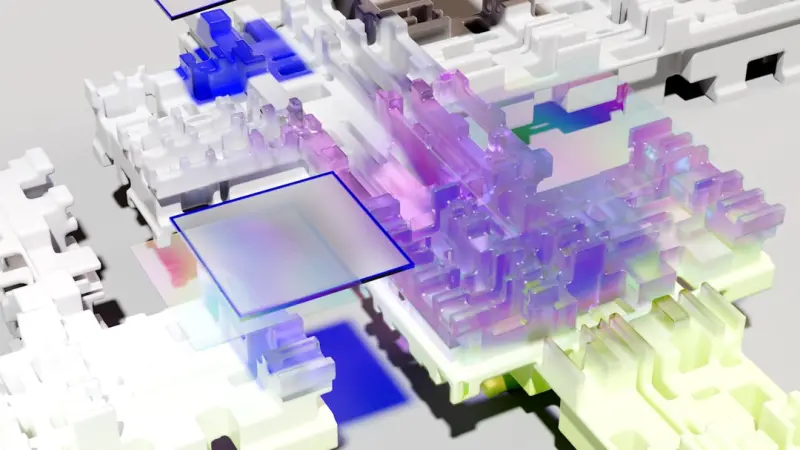
Why Countertops Are No Longer Just a Surface
When I first started swapping out laminate for stone, I never imagined a countertop could become the command center of a home. Today, the line between a decorative slab and a functional smart hub is disappearing, and that transformation is reshaping how we live, cook, and even work from the kitchen. As a seasoned handyman turned design enthusiast, I’ve seen the quiet revolution of embedded sensors, wireless chargers, and responsive lighting turning a simple worktop into a living interface that reacts to touch, voice, and ambient conditions.
Embedding Technology Without Sacrificing Style
Modern countertop manufacturers are weaving technology directly into the material matrix, allowing homeowners to tap a surface to dim lights, adjust a thermostat, or start a coffee maker, all without the clutter of separate devices. The trick lies in using conductive pathways that are invisible to the eye yet robust enough to survive daily spills and heavy cookware, and the result is a surface that feels as sleek as it looks. For those of us who love a clean aesthetic, this means we can finally enjoy the convenience of a smart kitchen without sacrificing the timeless appeal of marble, quartz, or concrete.
Material Innovations That Talk Back
One of the most exciting developments I’ve encountered is quartz engineered with embedded LEDs that can change color based on the time of day or cooking temperature, providing both ambiance and practical cues. Similarly, recycled glass composites are now being infused with conductive fibers, turning a countertop into a subtle touchpad that can trigger recipes on a nearby screen. These hybrid materials maintain the durability you expect from stone while offering a low‑profile interface that keeps your countertops looking pristine.
Eco‑Friendly Choices for the Conscious Kitchen
While tech dazzles, sustainability remains a core concern for many homeowners, and the industry is responding with reclaimed stone slabs, bio‑resin blends made from agricultural waste, and low‑impact manufacturing processes. By selecting a countertop that incorporates recycled content, you reduce the embodied carbon of your remodel and often gain a unique, one‑of‑a‑kind pattern that mass‑produced stone can’t replicate. The environmental payoff extends beyond the material itself; many of these smart surfaces also help reduce energy use by integrating motion‑activated lighting and appliance controls.
Ergonomics Meet Innovation: The Height and Edge Debate
Beyond the flash of technology, the physical interaction with a countertop matters for health and efficiency. A slightly higher work surface can alleviate back strain during long cooking sessions, while rounded edges reduce the risk of cuts when you’re juggling pots and pans. If you’re curious about how subtle edge choices influence daily use, a look at countertop edge considerations provides a deeper dive. Pairing ergonomic height with a touch‑responsive edge creates a seamless workflow that feels both modern and mindful.
Design Harmony: Coordinating Countertops with the Rest of the Home
Integrating a tech‑laden countertop into an existing design palette requires a thoughtful approach to color, texture, and proportion. Matching the hue of a quartz slab to the undertones of your flooring can create a cohesive visual flow, and for those wondering how to achieve that balance, the flooring fundamentals guide offers valuable insight on material pairings. When the countertop’s surface finishes echo the patterns of the floor or cabinetry, the room feels intentionally curated rather than patched together.
Installation Realities: Wiring, Sealing, and Longevity
Behind the sleek finish lies a complex installation process that blends traditional carpentry with low‑voltage electrical work. Proper routing of power cables, waterproof sealing of sensor housings, and careful calibration of touch zones are essential to prevent future failures. While a skilled installer can manage these tasks, homeowners should still plan for regular maintenance checks to ensure the embedded technology remains responsive after years of heat, moisture, and daily use.
The Financial Perspective: Cost, ROI, and Future Resale
Investing in a smart countertop does carry a premium, but the long‑term benefits often outweigh the upfront expense. Homebuyers are increasingly drawn to properties that feature integrated technology, seeing them as ready‑to‑move‑in and future‑proof, which can translate into a higher resale value. Moreover, the energy‑saving features—such as automated lighting and appliance control—can shave dollars off utility bills, creating a subtle yet measurable return on investment over the life of the surface.
Final Thoughts: Embrace the Surface as a Smart Companion
As we move toward homes that anticipate our needs, the countertop evolves from a passive slab into an active partner in daily life. By selecting materials that blend durability, sustainability, and embedded technology, you can create a kitchen that feels both timeless and ahead of its time. Whether you’re upgrading a modest remodel or planning a full‑scale renovation, consider the countertop as the heart of a connected home—where design meets innovation, and every meal preparation becomes a touch of the future.

Tom Ferguson is a Canadian freelance writer with a passion for storytelling, current events, and thoughtful commentary. Drawing on years of writing experience, he shares engaging insights on a wide range of topics, bringing a uniquely Canadian perspective to his work.
Related Posts
Choosing Countertops That Age Gracefully: A Contractor’s Insider Guide
A contractor’s insider guide to choosing countertops that balance durability, sustainability, and ... Read More
Beyond Aesthetics: The Untold Story of Countertops That Shape Your Kitchen Experience
Explore the hidden narratives of countertops—from geology and sustainability to health benefits an... Read More
Choosing Countertops That Blend Sustainability, Style, and Smart Functionality
Explore how recycled‑stone composites, smart surfaces, and multi‑functional designs can transfor... Read More
Top Posts
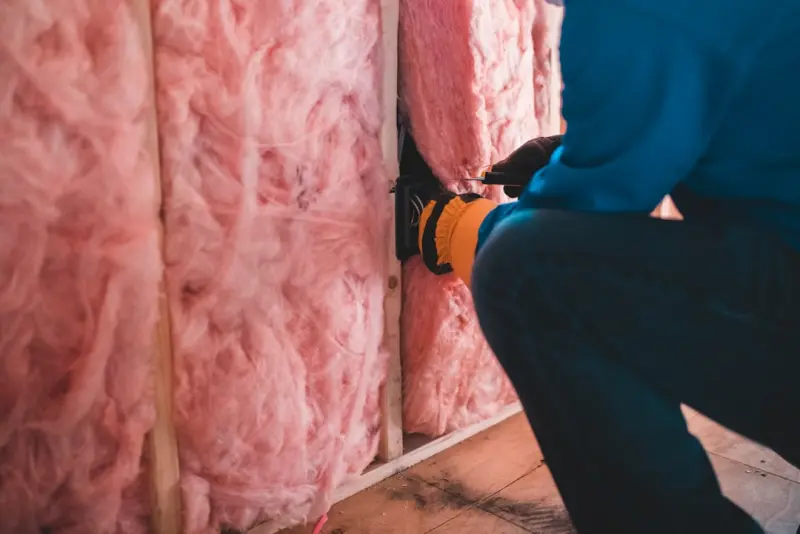
Weatherproof Your Home Like a Pro: Practical Hacks for Every Season
Learn a layered, data‑driven approach to home weatherproofing, from grading and drainage to smart sensors and seasonal maintenance, ensuring comfort and lower...Read More

The Future of Plastering: Embracing Sustainable Practices
The plastering industry is evolving, and sustainable practices are leading the way. Learn about the benefits of eco-friendly materials, innovative techniques, a...Read More

Wallpapering as Art: Transforming Walls into Personal Storytelling Canvases
Explore a fresh, personal approach to wallpapering—sustainable picks, pattern mixing, custom prints, and sensory‑friendly designs that turn any room into a ...Read More

The Art of Drywall: From Rough‑In to Finish
A seasoned pro shares step‑by‑step drywall insights—planning, material choice, hanging, taping, sanding, and acoustic tricks—to help you achieve flawles...Read More
0 Comments
Post Comment
You will need to Login or Register to comment on this post!