

Why Countertops Are Becoming the New Health Hub in Modern Homes
When I first started swapping out laminate for solid surface in my own kitchen, the decision felt purely aesthetic—“Let’s get something that looks good and lasts longer.” Fast‑forward a decade, and I’m finding that the conversation around countertops has shifted dramatically. Today, they’re not just a slab of stone or engineered composite; they’re a strategic element in the health, technology, and sustainability playbook of any forward‑thinking renovation.
The Hidden Health Risks Lurking Beneath the Surface
Most homeowners assume that a countertop’s primary job is to support the weight of a cutting board, a coffee mug, or the occasional kitchen gadget. What they often overlook is the micro‑environment that the surface creates. Traditional materials—especially porous natural stones—can harbor bacteria, mold spores, and even trace chemicals from sealants.
Recent studies (not the kind you’d find in a hidden heat leaks article, but equally compelling) show that kitchen surfaces can act as reservoirs for pathogens, especially in high‑traffic homes where the same area is used for food prep, pet feeding, and even as a makeshift office desk. The problem isn’t just hygiene; it’s the potential for cross‑contamination that can affect the whole household’s wellness.
Enter Antimicrobial Materials: A New Generation of Countertops
Manufacturers are responding with a wave of antimicrobial surfaces that incorporate silver‑ion technology, copper‑infused polymers, and even photo‑catalytic quartz. These materials actively kill bacteria on contact, reducing the microbial load by up to 99.9% in laboratory tests. The benefit is twofold:
- Reduced cleaning fatigue: Homeowners spend less time scrubbing and more time enjoying their space.
- Lower chemical reliance: With surfaces that self‑sanitize, the need for harsh cleaners drops, which is better for indoor air quality.
From a design perspective, these technologies can be integrated without compromising the look and feel that people love. A copper‑striped quartz slab can still feel cool to the touch while delivering a silent, continuous defense against germs.
Smart Countertops: Sensors Meet Surfaces
While antimicrobial finishes tackle the biological side of hygiene, the next frontier is embedding sensors directly into the countertop. Imagine a slab that can:
- Detect temperature spikes that could indicate a pot left unattended.
- Monitor weight distribution to alert you if a heavy object is placed unevenly, preventing cracks.
- Track usage patterns, feeding data into a home automation system that can suggest optimal cleaning schedules.
These capabilities aren’t science‑fiction. A handful of startups are already shipping countertops with IoT‑ready modules that communicate via Bluetooth or Zigbee. The data they collect can be visualized in a smartphone app, offering homeowners a predictive maintenance dashboard—much like the repair calendar method but focused on the kitchen workhorse.
Lifecycle Thinking: From Cradle to Counter
Another angle that often gets lost in the hype is the full lifecycle impact of a countertop. Most spec sheets highlight durability and aesthetics, but few address the carbon cost of extraction, transport, and end‑of‑life disposal. Here’s how a thoughtful approach can make a difference:
- Local sourcing: Choosing a stone quarry or composite plant within a 100‑mile radius can slash transportation emissions dramatically.
- Recycled content: Many engineered surfaces now incorporate up to 30% recycled glass or post‑consumer plastic, turning what would be landfill waste into a functional design element.
- Design for deconstruction: By using mechanical fasteners rather than permanent adhesives, you enable a future where the slab can be reclaimed and repurposed.
These practices echo the principles behind modular, zero‑waste design, yet they are applied specifically to the countertop layer, which often gets overlooked in the broader sustainability conversation.
Ergonomics and Human‑Centric Design
Beyond health and tech, countertops have a profound impact on how we move and work in our kitchens. An ergonomic countertop takes into account:
- Height variations for different users (standard 36″ vs. accessible 30‑32″).
- Rounded edges to reduce wrist strain during repetitive chopping.
- Integrated cutting boards that sit flush with the surface, eliminating the need for extra props.
When these considerations are baked into the design, you end up with a kitchen that supports both the seasoned chef and the casual home cook. The result is a reduction in physical fatigue and a subtle boost in overall well‑being.
Case Study: A Smart, Antimicrobial Countertop in a Remote Office Kitchen
One of my recent projects involved a client who split their living room and kitchen to create a hybrid work‑and‑dine environment. The solution? A 1.5‑centimeter thick quartz slab embedded with copper‑infused antimicrobial agents and a discreet sensor array. The sensors monitored:
- Surface temperature to prevent burns during coffee breaks.
- Humidity levels to alert when spills weren’t being dried promptly.
- Weight changes to flag when heavy equipment (like a 20‑kg printer) was placed on the surface.
Within weeks, the client reported fewer kitchen‑related accidents and a noticeable decline in the time spent on cleaning. The data also helped the building manager schedule a deep clean only when sensor thresholds indicated a real need, cutting down on chemical use and labor hours.
Design Aesthetics: Marrying Form with Function
It’s easy to get lost in the technical jargon, but at the end of the day, a countertop still needs to look good. The good news is that today’s health‑first and tech‑enabled materials come in a staggering variety of finishes:
- Matte stone: Offers a natural look while reducing glare, which can be a subtle visual comfort.
- Glossy engineered surface: Perfect for showcasing embedded LED lighting that can change color based on temperature data.
- Textured concrete: Provides a rugged aesthetic and can be poured in place, allowing for seamless integration of sensor wiring.
When paired with strategic lighting—think under‑cabinet strips that dim when the countertop’s temperature rises—you get a space that feels alive and responsive.
Future Outlook: The Countertop as a Platform
Looking ahead, I see countertops evolving into true platforms—the way smartphones serve as hubs for apps, a countertop will host a suite of modular accessories:
- Wireless charging pads concealed beneath a thin glass overlay.
- Detachable prep stations with built‑in scales and recipe displays.
- Integrated composting bins that use temperature data to accelerate breakdown.
These additions will be driven by open standards, allowing homeowners to upgrade individual components without replacing the entire slab. Think of it as a “plug‑and‑play” ecosystem for the heart of your home.
Practical Steps for Homeowners Ready to Upgrade
If you’re convinced that your countertops deserve more than a static slab, here’s a roadmap to get you started:
- Assess your needs: Do you prioritize antimicrobial properties, smart sensing, or sustainability? Knowing the primary goal narrows material choices.
- Research manufacturers: Look for certifications like NSF for antimicrobial claims and ISO 14001 for environmental management.
- Consult a specialist: A countertop installer who understands sensor integration can help avoid costly retrofits.
- Plan for the future: Choose a design that allows for modular add‑ons, ensuring the countertop can grow with your lifestyle.
- Implement a maintenance routine: Even smart surfaces benefit from periodic cleaning—use pH‑neutral cleaners to preserve antimicrobial layers.
Conclusion: From Passive Surface to Active Participant
Countertops have quietly been the unsung heroes of the kitchen for centuries. By rethinking them through the lenses of health, technology, and lifecycle stewardship, we can transform that humble slab into an active participant in our daily lives. It’s not just about a pretty finish; it’s about creating spaces that protect, inform, and adapt.
Whether you’re a homeowner eager to upgrade, a designer looking for the next differentiator, or a contractor aiming to add value to your projects, the countertop renaissance is already underway. Embrace it, and you’ll find that the heart of your home can beat a little stronger.

David MacKinnon is a dynamic freelance writer known for his captivating storytelling and keen insights into the world of technology. With a passion for exploring the intersection of innovation and everyday life, he crafts engaging narratives that not only inform but also inspire his readers.
Related Posts
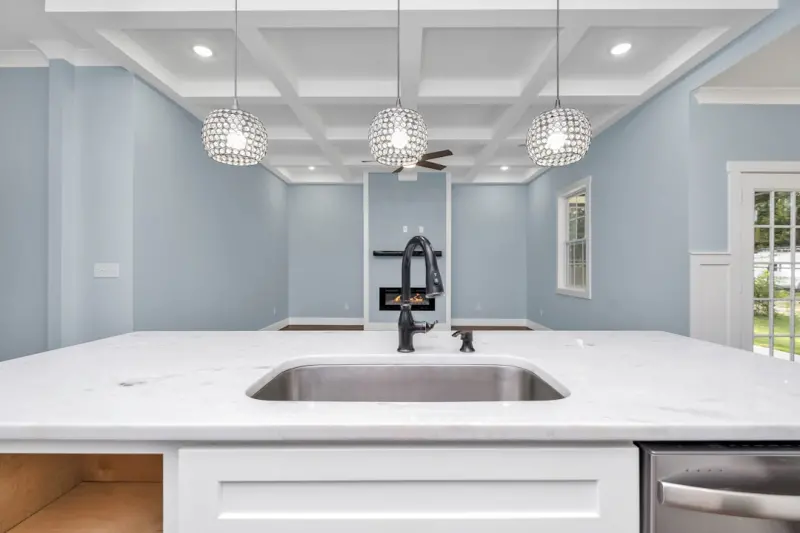
Beyond Aesthetics: The Untold Story of Countertops That Shape Your Kitchen Experience
Explore the hidden narratives of countertops—from geology and sustainability to health benefits an... Read More
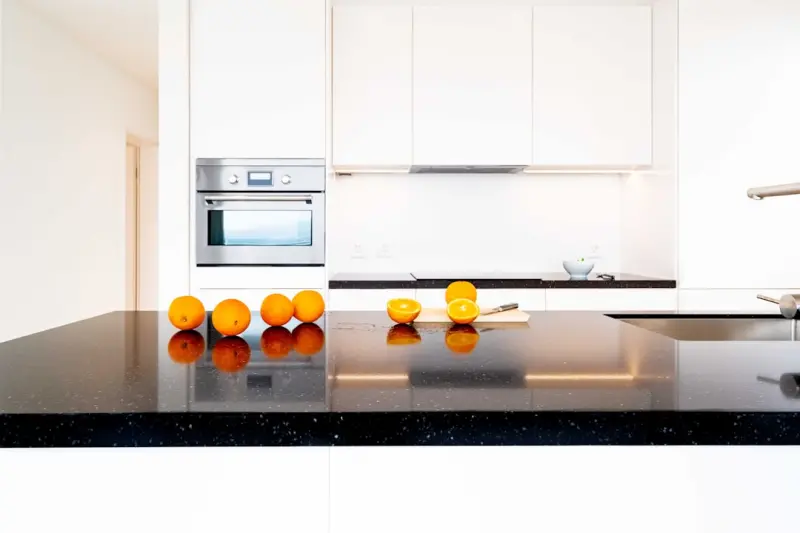
When Countertops Shape Mood: Designing for Wellness in Commercial Spaces
Countertops do more than hold dishes—they influence touch, sight, and sound. This post reveals how... Read More
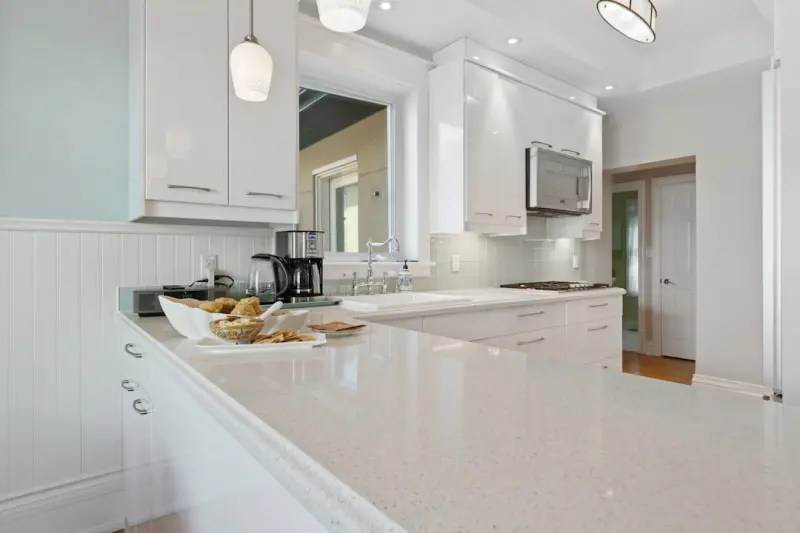
Countertops Reimagined: From Passive Slabs to Smart, Sustainable Kitchen Hubs
Modern countertops are evolving from static work surfaces into dynamic, health‑centric, and energy... Read More
Top Posts
Windows as Living Interfaces: Dynamic Treatments That Power, Protect, and Promote Wellness
Dynamic window treatments turn ordinary shades into energy‑generating, health‑focused assets. Learn how these systems integrate with building management, re...Read More

Unlocking Speed: How Digital Permits Transform Construction Projects
Digital permitting portals are reshaping construction timelines. Learn practical steps, real‑world case studies, and future trends that turn permits from bott...Read More

The Hidden Symphony: Orchestrating Power Flow in Modern Workspaces
A deep dive into dynamic power architecture, showing how smart panels, real‑time analytics, and modular micro‑grids transform office electricity from a hidd...Read More

Roof Health 2.0: How Drones and AI Are Transforming Building Resilience
Drones equipped with multispectral cameras and AI analytics are turning roofs into real‑time health platforms, offering predictive maintenance, solar‑shingl...Read More
0 Comments
Post Comment
You will need to Login or Register to comment on this post!