

The New Frontier of Paving: Sensors, Solar, and Sustainable Streetscapes
When I first stepped onto a freshly laid concrete boulevard in downtown, the surface felt like any other slab of stone—solid, predictable, a backdrop for traffic. Fast forward a few years, and that same stretch can now whisper data, harvest sunlight, and drink rainwater. The paving industry, once a silent partner in urban design, is stepping into the spotlight with technologies that make the ground beneath our wheels as intelligent as the smartphones in our pockets.
From Static Slabs to Living Surfaces
Traditional paving was all about durability and load‑bearing capacity. Engineers calculated compressive strength, thickness, and expansion joints, then left the job to sit idle for decades. Today, the narrative has shifted. Paving is no longer a passive element; it’s a dynamic platform that can:
- Monitor vehicle loads in real time.
- Generate electricity from foot traffic or sunlight.
- Regulate stormwater runoff through permeable matrices.
- Communicate with autonomous vehicles to improve routing precision.
These capabilities converge to form what I call living surfaces—a blend of material science, IoT connectivity, and sustainable design that transforms streets into active contributors to city health.
Sensor‑Embedded Pavement: The Pulse of the City
Imagine a network of tiny, rugged sensors woven into the fabric of a roadway. These devices measure strain, temperature, moisture, and even chemical composition of the surface. The data streams into a central dashboard, where city planners can spot a developing crack before it becomes a pothole, or detect excessive heat that could accelerate asphalt aging.
Beyond maintenance, sensor‑laden pavement can inform traffic management. By recognizing the weight and speed of passing vehicles, the system can dynamically adjust signal timing, reduce congestion, and lower emissions. For freight corridors, the data can trigger alerts when overweight trucks attempt to cross, protecting the pavement’s lifespan and ensuring compliance with regulations.
Permeable Paving: Letting the Ground Breathe
Stormwater is a silent menace in many urban areas, overwhelming sewer systems and contaminating waterways. Permeable paving systems—porous concrete, interlocking pavers, and grass‑grid designs—act like a sponge, allowing water to infiltrate the sub‑base instead of racing off the street.
These systems do more than prevent flooding. They recharge groundwater, reduce the urban heat island effect, and create micro‑habitats for pollinators. When paired with vegetated swales, the runoff that does escape can be filtered naturally, removing pollutants before they reach rivers.
Crucially, permeable solutions are not a one‑size‑fits‑all proposition. Engineers can tailor pore size, aggregate composition, and structural depth to meet the specific load requirements of highways, bike lanes, or pedestrian plazas.
Solar‑Embedded Pavers: Powering the Streets
Solar technology has leapt from rooftops to sidewalks. Photovoltaic pavers consist of durable, glass‑covered solar cells that can endure traffic loads while converting sunlight into electricity. The generated power can illuminate streetlights, charge electric vehicle (EV) charging stations, or feed directly into the grid.
One of the most compelling aspects of solar pavers is their ability to generate energy in otherwise under‑utilized spaces. A city block with limited roof area can still harvest significant solar output through its walkways. The visual impact is subtle; the pavers look like ordinary stone, but beneath the surface they are quietly producing clean energy.
Connecting Paving to the Bigger Urban Fabric
To truly unlock the potential of these innovations, paving must be considered within the broader context of city planning. It cannot exist in isolation from parks, buildings, and transportation networks. This holistic view mirrors the philosophy behind reimagining commercial landscapes, where every element contributes to a resilient, data‑informed environment.
When planners integrate sensor‑enabled roads with smart lighting, adaptive traffic signals, and EV infrastructure, the result is a synergistic ecosystem. For instance, a sensor detects a surge of cyclists on a bike lane; the system can dim adjacent streetlights to conserve energy while boosting illumination where it’s needed most, ensuring safety without waste.
Maintenance 2.0: Predictive Repairs Over Reactive Fixes
Historically, municipalities have relied on visual inspections and citizen complaints to schedule pavement repairs. This reactive approach is costly and often leads to escalated damage. With continuous data feeds from embedded sensors, maintenance teams can adopt a predictive model.
Machine‑learning algorithms analyze trends—like increasing strain patterns in a specific segment—and forecast when a crack will likely propagate. The city can then allocate crews, materials, and budgets proactively, extending pavement life by up to 30% according to recent case studies.
Predictive maintenance also dovetails with sustainability goals. By repairing only when necessary, we reduce the amount of new material needed, cut down on construction emissions, and minimize traffic disruptions.
Autonomous Vehicles Meet Intelligent Roads
Self‑driving cars depend on high‑definition maps and reliable surface information to navigate safely. Sensor‑rich pavement can supply real‑time surface condition data—such as ice formation, pothole locations, and traction levels—directly to autonomous systems. This integration reduces reliance on onboard cameras alone and enhances safety in adverse weather.
Moreover, pavement can serve as a communication channel. Embedded RFID tags or Bluetooth beacons can relay location‑specific messages to vehicles, guiding them through lane closures or alerting them to upcoming construction zones. The road becomes a collaborative partner rather than a static backdrop.
Economic Implications: ROI for Cities and Developers
Investing in advanced paving technologies raises the immediate question: does it pay off? The answer lies in a multi‑dimensional ROI analysis.
- Reduced Maintenance Costs: Predictive repairs and longer‑lasting materials lower annual upkeep budgets.
- Energy Savings: Solar pavers and intelligent lighting cut utility expenses.
- Improved Traffic Flow: Real‑time data enables dynamic signal adjustments, decreasing congestion‑related fuel consumption.
- Public Health Benefits: Permeable surfaces mitigate flooding and reduce air‑borne pollutants by curbing traffic delays.
- Increased Property Value: Streets equipped with cutting‑edge infrastructure attract businesses and residents, boosting local tax revenue.
When these factors are aggregated, many municipalities see a net positive cash flow within a 5‑ to 10‑year horizon—often faster than traditional infrastructure projects.
Design Aesthetics: Keeping the Human Touch
Technology should never eclipse the human experience of a street. A well‑designed pavement balances functionality with visual appeal. Color‑coded pavers can delineate pedestrian zones, bike lanes, and loading bays without relying on paint that wears off. Textured surfaces can guide the visually impaired through tactile cues.
Incorporating public art into paving—like mosaic inlays or engraved patterns—creates a sense of place and community pride. These artistic elements can be combined with solar or sensor components without compromising durability, proving that high tech and high touch can coexist.
Regulatory Landscape and Standards
One hurdle to widespread adoption is the patchwork of regulations governing roadway materials and electronic installations. Standards bodies are beginning to address these gaps, developing guidelines for load‑bearing capacity of solar pavers, data privacy for sensor networks, and environmental impact assessments for permeable systems.
Collaboration between manufacturers, city officials, and industry groups is essential. Pilot projects—often funded through public‑private partnerships—serve as testbeds for refining standards and demonstrating feasibility to skeptical stakeholders.
Case Study: A Mid‑Size City’s Paving Revolution
Consider the example of a mid‑size coastal city that embarked on a three‑year pilot to retrofit its downtown core with a blend of permeable, sensor‑enabled, and solar‑integrated pavers. The project began with a detailed audit, identifying high‑traffic corridors most vulnerable to stormwater runoff and heat buildup.
Key outcomes after the first year included:
- 30% reduction in surface water accumulation during rain events.
- Generation of 150 kWh of solar electricity per day, offsetting 12% of street lighting energy use.
- Early detection of a structural weakness in a bridge approach, preventing a costly collapse.
- Positive feedback from local businesses noting smoother pedestrian flow and a modern aesthetic.
The city’s success story has been featured in several industry forums, illustrating how integrated paving solutions can be both technically viable and publicly welcomed.
Future Trends: What’s on the Horizon?
Looking ahead, several emerging developments promise to push paving even further:
- Self‑Healing Asphalt: Incorporating microcapsules that release binding agents when cracks form.
- Thermo‑electric Materials: Converting temperature differentials between sun‑warmed surfaces and cooler subsurfaces into usable electricity.
- Modular Paver Systems: Prefabricated sections that can be swapped out quickly for repairs or upgrades, reducing downtime.
- AI‑Driven Surface Optimization: Using real‑time data to adjust surface texture or reflectivity in response to weather conditions, a concept explored in dynamic facades but now applied to ground level.
These innovations, while still in experimental stages, hint at a future where every inch of pavement contributes to a smarter, cleaner, and more resilient urban environment.
Implementing Change: Steps for Municipal Leaders
For city officials ready to embrace this new wave of paving, a practical roadmap includes:
- Conduct a Baseline Assessment: Map current pavement conditions, traffic patterns, and stormwater challenges.
- Identify Pilot Areas: Choose high‑visibility districts where impacts can be measured quickly.
- Engage Stakeholders: Involve businesses, residents, and technology partners early to align expectations.
- Secure Funding: Explore grants, green bonds, and private‑sector investment models.
- Deploy Incrementally: Start with permeable sections or sensor strips before scaling to full‑surface integration.
- Monitor and Iterate: Use data dashboards to assess performance and refine the approach.
By following this structured approach, municipalities can mitigate risk while unlocking the long‑term benefits of intelligent paving.
Conclusion: The Ground is Moving
We stand at a pivotal moment where the very foundation of our cities—pavement—can evolve from a passive conduit to an active, data‑rich, energy‑generating platform. The convergence of sensors, solar technology, and sustainable materials is not a futuristic fantasy; it’s happening now, reshaping streetscapes across the globe.
For planners, engineers, and policymakers, the challenge is to adopt these tools thoughtfully, balancing technological ambition with community needs and fiscal responsibility. When done right, the result is a network of streets that not only support movement but also enhance environmental health, economic vitality, and urban livability.

Paul Gray is a dynamic blogger based in Brampton, where he shares his life with his amazing wife, Sarah. Known for his engaging writing style and relatable insights, Paul has carved out a niche in the blogging world that resonates with readers from all walks of life. When he's not crafting captivating posts, you can find him savoring a cold beer or indulging in the latest blockbuster movie. With a friendly demeanor and a passion for storytelling, Paul brings a unique perspective to his work, making him not just a blogger, but a voice for those who appreciate the simple joys of life.
Related Posts

Paving the Way: Turning Hardscapes into a Competitive Advantage
A forward‑looking look at how data‑driven paving transforms concrete from a passive surface into... Read More
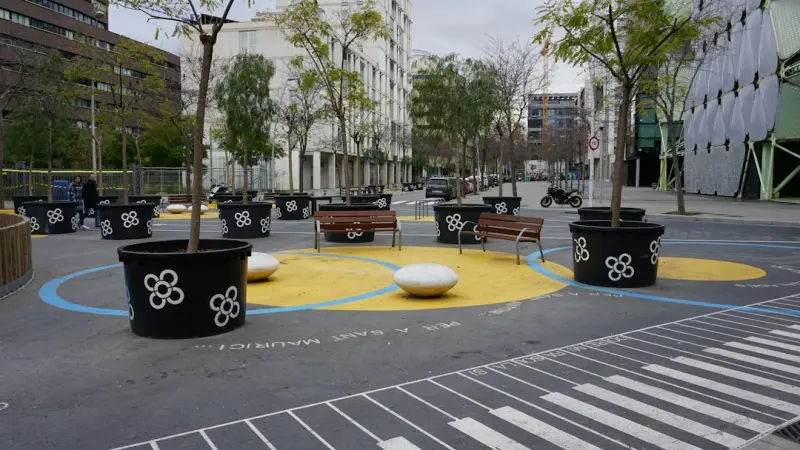
Sensor‑Embedded Pavement: Redefining Urban Mobility
Sensor‑embedded pavement integrates durable sensors into roadways, turning static surfaces into da... Read More

Cool Streets Ahead: How Reflective, Permeable Paving Can Transform Urban Heat
Explore the rise of light‑colored, permeable paving as a climate‑smart solution that cools stree... Read More
Top Posts

The Importance of Energy Inspections in Home Renovations
Energy inspections play a critical role in home renovations, helping homeowners identify energy-wasting areas and create a more sustainable living space. Learn ...Read More
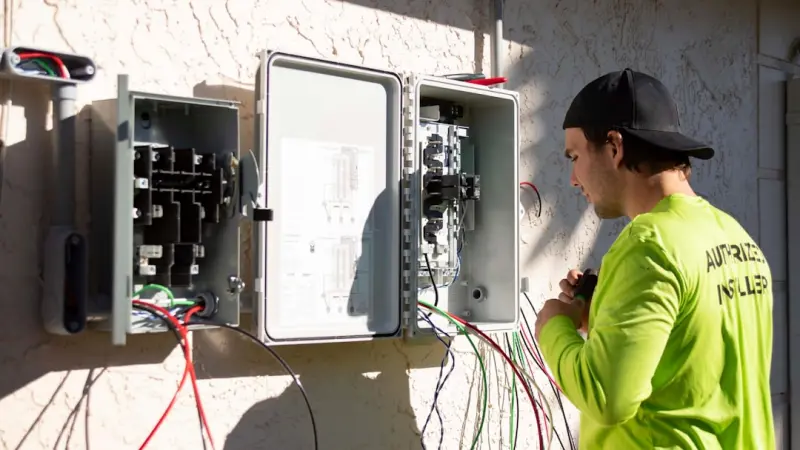
Modular Electrical Distribution: Building Agile Power for Modern Workplaces
A deep dive into modular electrical distribution, exploring its components, benefits, real‑world applications, and future trends that empower agile, data‑dr...Read More

Window Treatments That Work: A Veteran Contractor’s Guide to Sustainable Style
Tom Ferguson shares insider tips on choosing, installing, and maintaining sustainable window treatments that save energy, look great, and last for years....Read More

Why Your Home Alarm System Deserves a Sustainable Upgrade
Explore the shift to sustainable home alarm systems, from low‑power panels and solar batteries to AI‑driven sensors, and learn practical steps for greener s...Read More
0 Comments
Post Comment
You will need to Login or Register to comment on this post!