
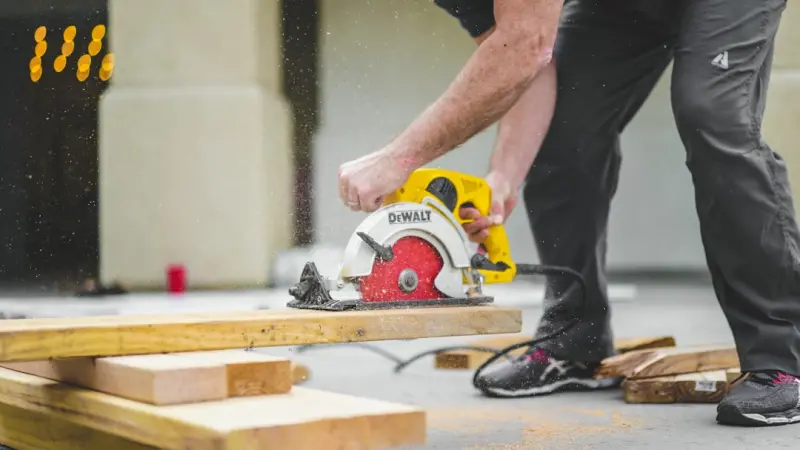
Why Handyman Services Are Turning Into Subscription Platforms
When I first picked up a hammer at sixteen, I thought the trade was simple: fix what’s broken, charge by the hour, and call it a day. Fast forward a decade, and the landscape looks nothing like the one I grew up with. Homeowners are no longer content with calling a “handyman” only when a leak turns into a flood or a door squeaks at midnight. They want continuous peace of mind, predictable costs, and the kind of proactive care that used to belong to industrial maintenance contracts. That demand is giving rise to a new business model—subscription‑based handyman services.
From One‑Off Calls to Ongoing Memberships
Traditional handyman work has always been transactional. A customer calls, the handyman arrives, fixes the problem, invoices, and the relationship ends. This model has a few obvious drawbacks:
- Unpredictable cash flow. Income spikes after a storm or a holiday season, then tapers off.
- Reactive mindset. Repairs are only performed after something breaks, which often leads to higher costs and more disruption.
- Customer churn. Once a job is done, the homeowner may never call again.
Subscriptions flip that script. For a flat monthly fee, members receive a bundle of services—regular inspections, minor repairs, seasonal tune‑ups, and priority scheduling. The result is a win‑win: businesses gain stable revenue, while homeowners enjoy fewer surprises and a smoother budgeting process.
What the Subscription Model Looks Like in Practice
There are three common tiers you’ll see emerging across the market:
- Basic Care. Includes quarterly walkthroughs, a set number of minor repairs (like tightening cabinet hinges or replacing light bulbs), and a 24‑hour response window for emergencies.
- Standard Maintenance. Adds annual HVAC filter changes, dryer vent cleaning, and a limited number of larger tasks such as fence repairs or minor plumbing work.
- Premium Protection. Offers unlimited small‑ticket fixes, priority weekend service, and annual home‑systems audits (electrical, plumbing, and structural basics). This tier is where many businesses integrate high‑tech tools like IoT sensors to trigger proactive alerts.
Each tier is priced to reflect the value of “peace of mind” and the cost savings of preventing larger problems. The real magic happens when the subscription includes preventive checks that catch issues before they become emergencies.
Technology’s Role: From IoT Sensors to Smart Scheduling
While the core of the handyman trade is still about good old craftsmanship, technology is the catalyst that makes a subscription model viable at scale. Here’s how:
- IoT‑enabled devices. Smart leak detectors, temperature sensors, and vibration monitors can feed real‑time data to a central dashboard. When a sensor flags a potential problem, the handyman team receives an automatic ticket, often before the homeowner even notices a drip.
- Automated scheduling. AI‑driven platforms analyze historical job data to predict when a homeowner is likely to need a service—say, the first week after a heavy rain season—for gutter cleaning or sump pump checks.
- Digital work orders. Mobile apps let technicians update job status, capture photos, and send invoices instantly, streamlining the entire workflow.
In fact, the same predictive algorithms that are quietly reshaping facility operations in large commercial settings—see Predictive Electrical Maintenance—are now being adapted for residential contexts. The difference is the scale and the emphasis on “low‑cost, high‑frequency” interventions.
Why Homeowners Are Buying In
Several psychological and practical factors drive the subscription craze:
- Budget certainty. A fixed monthly amount eliminates surprise bills that can strain a household’s finances.
- Convenience. No more hunting for a reputable handyman after a disaster; the service is already on speed‑dial.
- Trust building. Regular, low‑stakes interactions create a relationship where the homeowner knows the technician’s work ethic and skill level.
- Value perception. The idea of “maintenance as a service” mirrors other successful subscriptions—software, streaming, even car care.
When you combine these drivers with data‑backed evidence that regular upkeep extends the life of fixtures, the proposition becomes hard to ignore.
Challenges Handymen Must Overcome
Transitioning to a subscription model isn’t as simple as slapping a price tag on a service plan. Here are the hurdles to watch out for:
1. Pricing the Right Way
Set the monthly fee too low, and you’ll drown in labor costs. Too high, and homeowners will balk. The sweet spot usually emerges from a detailed analysis of average job frequency, average repair cost, and the perceived value of preventive care.
2. Maintaining Service Quality
When the revenue stream is predictable, there’s a temptation to “coast.” The subscription must include clear performance metrics—response time, job completion rate, and customer satisfaction scores—to keep the team sharp.
3. Managing Scope Creep
Defining what’s “minor” versus “major” can become a gray area. Clear tier definitions and a transparent “over‑age” policy help prevent disputes.
4. Integrating Technology
Adopting IoT devices and scheduling platforms requires upfront investment and training. However, the payoff is a more efficient operation and data that can be used to refine pricing and service offerings.
Real‑World Example: A Neighborhood Pilot
In a recent pilot program, a mid‑size handyman firm rolled out a “Home Shield” subscription across a suburban community of 250 homes. The results were striking:
- Within six months, 30% fewer emergency calls were logged compared to the same period the previous year.
- Members reported a 20% reduction in overall maintenance spend, thanks to early detection of leaks and regular HVAC filter changes.
- The firm’s monthly recurring revenue (MRR) grew by 45%, creating a more stable cash flow that allowed them to invest in better tools and employee training.
What made this success possible wasn’t just the subscription fee—it was the integration of simple IoT sensors on water heaters and the use of an app that let homeowners request a “quick fix” with a single tap.
How Handymen Can Start Their Own Subscription Service
If you’re a solo contractor or a small team, here’s a step‑by‑step roadmap to get started:
- Define your service bundles. Start with a basic tier that covers the most common tasks in your area (e.g., door repairs, faucet fixes, minor electrical work).
- Set clear pricing. Use a spreadsheet to model labor hours, material costs, and desired profit margin. Remember to factor in a buffer for unexpected calls.
- Choose a tech stack. Look for affordable scheduling software that integrates with your calendar and can send automated reminders to clients.
- Pilot with a small group. Offer the subscription to a handful of existing customers at a discounted rate in exchange for feedback.
- Gather data. Track job frequency, types of repairs, and any sensor alerts. Use this data to refine tiers and pricing.
- Scale. Once you have a proven model, invest in marketing—social media ads, local SEO, and partnerships with real‑estate agents.
Don’t overlook the power of cross‑promotion. For instance, linking your subscription offering to Clean Ducts services can position your brand as the go‑to source for comprehensive indoor‑environment health.
The Future Outlook: From Handyman to Homecare Concierge
As the subscription model matures, we’ll likely see a further blurring of lines between traditional handyman work and full‑service home management. Think of a future where a single monthly fee covers everything from a light bulb swap to a seasonal roof inspection, all coordinated through a smart home hub. That vision is already on the horizon, and early adopters who master the blend of craftsmanship and data‑driven service will lead the next wave of home maintenance.
Final Thoughts: Embrace the Change or Get Left Behind
The hand‑tool trade has always been about solving problems. Today, the problem is not just “what’s broken?” but “how do we prevent it from breaking in the first place, while keeping costs predictable for the homeowner?” Subscription‑based handyman services answer that question head‑on, turning a traditionally reactive industry into a proactive, technology‑enabled partner in home health.
If you’re a handyman looking to future‑proof your business, now is the time to experiment with a membership model, test a few IoT integrations, and start building long‑term relationships that go beyond the next repair.
Remember, the tools may change, but the core promise remains the same: a well‑maintained home is a happy home. And with the right subscription strategy, you can be the trusted hand that delivers that promise—every month, without fail.

William Roy is a freelance writer originally from Montreal who moved to Ottawa with his wife of 50 years to be closer to their grandkids. Alongside his writing, William has a passion for fishing.
Related Posts

The Handyman’s Playbook: Proactive Home Care That Saves Time and Money
A seasoned handyman shares his proven strategy for assembling the right tools, scheduling seasonal c... Read More

The Handyman’s New Role as a Tech‑Savvy Home Ally
Today's handyman is a tech‑savvy consultant who uses remote diagnostics, AR overlays, and data‑d... Read More

Sustainable Home Renovations: A Comprehensive Guide
Sustainable home renovations reduce environmental impact, improve indoor air quality, and save money... Read More
Top Posts

Data-Driven Snow Removal: How to Plan, Prioritize, and Save Time
Discover a data‑focused approach to snow removal that helps you schedule trips, allocate resources, and stay ahead of storms—saving time, money, and stress....Read More
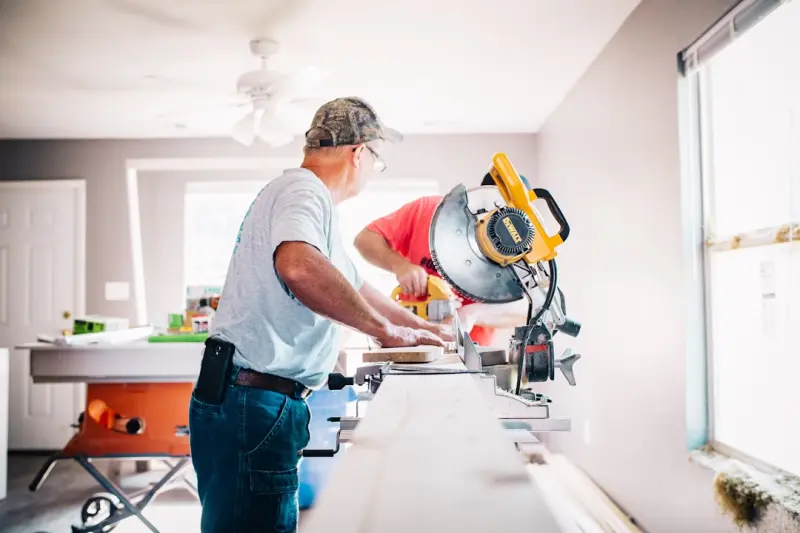
Invisible Wins: Small DIY Repairs That Save Money and Boost Comfort
Learn how simple, often overlooked fixes—from draft‑proofing doors to sealing drywall cracks—can dramatically improve comfort, reduce utility bills, and k...Read More

Pocket Gardens: Turning Forgotten Corners into Lush Urban Oases
Discover the art of pocket gardens—small, affordable green spaces that turn under‑used nooks into vibrant, mood‑enhancing oases, adding both beauty and va...Read More

Reimagining Building Foundations for a Sustainable Future
Foundations are the hidden heroes of any building; this post reveals how low‑carbon mixes, micro‑scale weatherproofing, and intelligent sensor networks can ...Read More
0 Comments
Post Comment
You will need to Login or Register to comment on this post!