
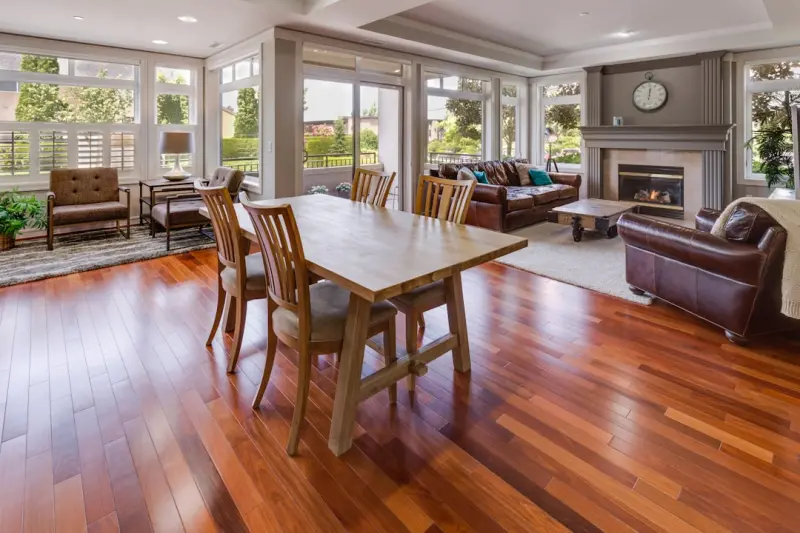
When Floors Do More Than Support: The Rise of Intelligent, Adaptive Flooring
Walking into a space, I’ve always believed the floor is the unsung hero of any design story. It bears the weight of our daily hustle, frames the visual rhythm, and quietly sets the tone for how a room feels. Over the past decade, I’ve watched flooring evolve from a static backdrop to a dynamic platform that can react, communicate, and even generate value. In this piece, I’ll peel back the layers of what I call Intelligent Adaptive Flooring—a convergence of material science, embedded sensors, and data‑driven management that’s reshaping commercial and co‑working environments.
Why Traditional Flooring No Longer Fits Modern Workflows
When I first started specifying carpet tiles for a client’s open‑plan office, the decision was simple: durability, acoustic performance, and cost. Fast forward to today, and those three criteria feel like just the baseline. Teams are no longer confined to a single desk; they flow between collaborative pods, hot‑desking zones, and wellness spaces within the same square footage. This fluidity demands a floor that can adapt to changing load patterns, varying foot traffic, and even environmental conditions without becoming a maintenance nightmare.
Traditional flooring solutions—hardwood, carpet, vinyl—are great at what they do, but they lack the feedback loop needed for today’s data‑centric facilities management. A cracked tile goes unnoticed until a safety incident; a worn‑out carpet section causes complaints that are only reported weeks later. The result? Reactive repairs that drain budgets and erode employee trust.
Three Pillars of Intelligent Adaptive Flooring
To understand how a floor can become a strategic asset, think of it in three intersecting pillars:
- Responsive Materials: Advanced polymers, engineered wood composites, and self‑healing sealants that adjust stiffness, slip resistance, or even color based on real‑time conditions.
- Embedded Sensor Networks: Low‑power IoT nodes woven into the sub‑floor that capture footfall counts, pressure distribution, humidity, and temperature.
- Data Integration & Analytics: Cloud‑based platforms that translate raw sensor streams into actionable insights for space planners, sustainability officers, and facility technicians.
When these pillars align, the floor stops being a passive surface and becomes an active participant in the building’s operational ecosystem.
Responsive Materials: From Static to Smart
One of the most exciting breakthroughs is the emergence of shape‑memory polymers (SMPs). These engineered materials can transition between a flexible state and a rigid state when exposed to specific temperature thresholds. Imagine a conference room floor that softens under heavy equipment loads during a trade show, then returns to a firm, low‑bounce surface once the event ends. The result is reduced wear, lower risk of damage, and a floor that essentially “remembers” the optimal condition for each use case.
Another innovation worth mentioning is photochromic finishes. These coatings shift hue based on ambient light levels, providing subtle visual cues that help guide occupants through wayfinding pathways without additional signage. The effect is both aesthetic and functional—an elegant solution that aligns with a brand’s visual identity while improving navigation.
Embedded Sensors: Turning Footsteps into Data
Integrating sensors directly into flooring has become far more feasible thanks to the miniaturization of pressure‑sensing piezoelectric films and ultra‑low‑power Bluetooth Low Energy (BLE) modules. These devices can capture:
- Footfall density per square meter, allowing space planners to identify “hot spots” and balance occupancy loads.
- Localized pressure spikes that indicate heavy equipment placement, enabling proactive reinforcement before damage occurs.
- Moisture ingress patterns, alerting maintenance teams to potential leaks beneath raised access flooring.
Because the sensors are embedded at the sub‑floor level, they’re protected from wear and can operate for years on a single coin‑cell battery. The data they generate feeds into a building’s central management system, where machine‑learning algorithms detect anomalies and suggest interventions.
Data Integration: The Brain Behind the Floor
All the hardware in the world won’t deliver value unless the data is meaningfully interpreted. This is where the AI‑driven collaboration platforms come into play. By integrating sensor feeds with existing CAFM (Computer‑Aided Facility Management) tools, operators can:
- Generate real‑time heat maps that inform space allocation decisions.
- Predict wear patterns and schedule preventive maintenance before a tile cracks or a carpet pile compresses.
- Benchmark energy usage related to floor heating or cooling, optimizing HVAC setpoints for zones with high occupancy.
The result is a shift from “maintenance‑as‑reactive” to “maintenance‑as‑predictive,” a transformation that mirrors the broader move toward data‑centric building operations.
Case Study: Adaptive Flooring in a Flexible Co‑Working Hub
One of my recent projects involved retrofitting a 60,000‑sq‑ft co‑working campus with an adaptive flooring system. The client’s primary goal was to reduce the frequency of costly floor replacements while providing a more responsive environment for their members. Here’s how we approached it:
- Material Selection: We chose a hybrid polymer‑based tile with a self‑healing top layer. The tiles could absorb minor scratches and automatically fill micro‑cracks when exposed to a mild UV pulse during nightly cleaning cycles.
- Sensor Deployment: Approximately 2,500 pressure sensors were embedded in a grid pattern, each covering a 2‑sq‑ft zone. The sensors communicated via BLE to a central gateway located in the mechanical room.
- Analytics Dashboard: Using a cloud‑based analytics suite, the facilities team received daily reports highlighting “traffic intensity,” “pressure anomalies,” and “humidity spikes.” The dashboard also featured a predictive model that estimated tile wear life with a 92% accuracy rate.
- Outcome: Within six months, the client reported a 30% reduction in floor‑related service tickets and a 15% increase in overall space utilization, as the data allowed them to reconfigure hot‑desking layouts on the fly.
This example underscores how intelligent flooring can be a catalyst for both operational efficiency and a more fluid workplace experience.
Environmental Impact: Flooring That Contributes to Sustainability Goals
Beyond performance, adaptive flooring can align with ESG (Environmental, Social, Governance) objectives. The Sustainable Material Playbook for Modern Handymen highlights the growing demand for low‑embodied‑carbon materials. Many of the polymers used in responsive flooring are sourced from recycled PET (plastic bottles) and bio‑based resins, dramatically lowering the carbon footprint compared to virgin PVC or hardwood.
Moreover, the predictive maintenance enabled by sensor data reduces waste. By catching wear early, you replace only the affected modules instead of tearing out entire sections—a practice that conserves material and reduces landfill contributions. Some manufacturers even offer take‑back programs for used tiles, ensuring they’re recycled or up‑cycled at the end of their service life.
Implementation Considerations: What to Look Out For
While the benefits are compelling, a successful rollout demands careful planning:
- Compatibility with Existing Systems: Ensure that the flooring’s sensor protocol can integrate with your current BMS (Building Management System) or CAFM platform. Open‑API standards are a must.
- Installation Expertise: Embedding sensors requires precision. Partner with installers who understand both the mechanical aspects of sub‑floor preparation and the electrical considerations of low‑voltage networks.
- Data Governance: Define clear policies for data ownership, retention, and privacy, especially if footfall data could be considered personally identifiable information.
- Lifecycle Cost Analysis: While upfront costs can be higher, factor in the reduced maintenance, longer material lifespan, and potential energy savings when calculating ROI.
The Future: Floors That Generate Energy
Looking ahead, researchers are experimenting with piezoelectric flooring that harvests kinetic energy from footsteps and converts it into electricity. Imagine a conference center where the cumulative foot traffic powers low‑energy lighting or charges IoT devices. Though still in pilot phases, this technology aligns perfectly with the broader push toward net‑zero buildings.
Another frontier is augmented reality (AR) overlays. By syncing floor sensor data with AR headsets, occupants could see visual cues projected onto the floor—highlighting safe pathways, indicating cleaning schedules, or even displaying real‑time occupancy levels for social distancing.
Getting Started: A Pragmatic Roadmap
If you’re intrigued but unsure where to begin, here’s a step‑by‑step framework:
- Assess Current Pain Points: Document floor‑related complaints, maintenance logs, and energy usage trends.
- Define Success Metrics: Whether it’s reducing service tickets by 25%, cutting floor‑replacement costs, or achieving a specific sustainability certification, clear KPIs guide the project.
- Pilot a Small Zone: Deploy adaptive flooring in a high‑traffic area—like a lobby or collaborative hub—to gather data and validate ROI.
- Scale Strategically: Use insights from the pilot to refine sensor density, analytics models, and maintenance workflows before a full‑building rollout.
- Iterate and Optimize: Continuously monitor performance, adjust predictive algorithms, and explore additional functionalities like energy harvesting.
By treating the floor as a living system rather than a static finish, you unlock a new dimension of flexibility, safety, and sustainability for your built environment.
Conclusion: The Floor as a Strategic Partner
In my years of working across renovations, hand‑yman projects, and large‑scale commercial builds, I’ve learned that the most valuable assets are the ones you don’t immediately see. Intelligent adaptive flooring is that invisible ally—quietly collecting data, protecting occupants, and extending the lifespan of your investment. As we continue to blend material innovation with digital intelligence, the humble floor will finally step out of the shadows and claim its rightful place at the heart of modern building strategy.

Kelly Reynolds is a dynamic freelance writer hailing from the picturesque landscapes of Alberta. A master of the written word, she juggles her passion for storytelling with the exhilarating chaos of being a mother to five spirited children. With an impressive portfolio that spans various genres, Kelly captivates readers through her engaging blog posts and thought-provoking articles.
Related Posts

The Hidden Impact of Flooring: Mood, Money, and Modern Living
Explore how the right flooring influences mood, enhances resale value, and merges with smart tech an... Read More

The Role of Flooring in Sustainable Home Restoration
Flooring plays a significant role in sustainable home restoration. Learn about eco-friendly options,... Read More
Turning Floors into Interactive Workspaces: The Next Frontier in Office Design
Discover how embedding sensors into flooring turns a simple surface into a strategic asset, deliveri... Read More
Top Posts

Transforming Sunrooms into High‑Performance Remote Work Sanctuaries
A sunroom isn’t just a seasonal lounge—when designed for work, it becomes a powerful asset that enhances focus, cuts energy bills, and elevates client exper...Read More

Solar Edge: Distributed Panels Transform Commercial Real Estate
Solar is no longer a niche upgrade; it’s a strategic, data‑driven asset that cuts costs, creates revenue, and enhances resilience for commercial properties....Read More
The Sustainable Benefits of Eco-Friendly Garage Doors
Eco-friendly garage doors offer a range of sustainable benefits, from energy efficiency to reduced environmental impact. Learn how to make your garage door more...Read More
How Adaptive Flooring Fuels Agile Workspaces
Adaptive flooring blends material science, IoT data, and modular design to boost productivity, wellbeing, and sustainability, turning the floor into a strategic...Read More
0 Comments
Post Comment
You will need to Login or Register to comment on this post!