
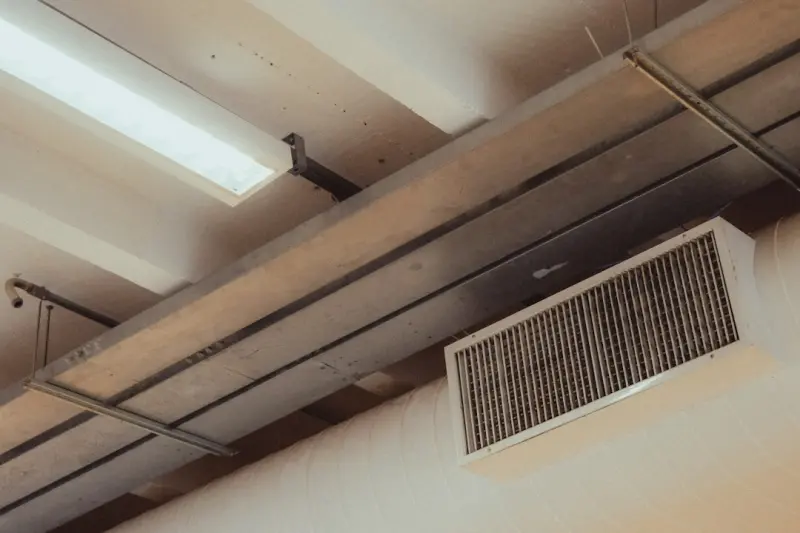
From Dust to Data: Making Duct Cleaning a Strategic Business Lever
When most facility managers think about building performance, the first things that come to mind are lighting upgrades, HVAC efficiency, or the latest smart‑building dashboard. Rarely does the humble air‑duct make the agenda. Yet the reality is that the duct network is the circulatory system of any commercial space. When it gets clogged, the whole organism suffers—productivity drops, maintenance costs spike, and the brand’s health takes an invisible hit.
The Hidden Cost of Neglect
It’s easy to dismiss a dusty vent as a cosmetic issue, but the cumulative impact is anything but superficial.
- Energy waste: A study from the Building Performance Institute shows that dirty ducts can increase fan power consumption by up to 30 %.
- Indoor air quality (IAQ) degradation: Accumulated lint, mold spores, and even microscopic metal particles become airborne, triggering allergies and reducing overall occupant well‑being.
- Equipment strain: When airflow is restricted, HVAC compressors run longer, accelerating wear and shortening lifespan.
- Brand perception: In client‑facing environments—showrooms, conference rooms, coworking hubs—the scent of stale air can subtly erode trust.
All these factors translate into tangible dollars, yet they’re often invisible on the balance sheet because they’re not measured directly.
Turning Duct Cleaning Into a Data‑Driven KPI
What if you could treat duct cleanliness the same way you track occupancy or energy usage? The answer lies in integrating Hybrid Heat Pumps telemetry with a simple pressure‑drop sensor suite.
Here’s a step‑by‑step framework for turning a maintenance chore into a performance metric:
- Install differential pressure sensors at strategic points in the supply and return trunks. The data stream tells you exactly how much resistance the air encounters.
- Set baseline thresholds based on manufacturer specs and historical performance. A rise of 15 % above baseline usually signals the need for cleaning.
- Automate alerts through your existing BMS (Building Management System). When the threshold is crossed, an email or mobile push notifies the facilities team.
- Schedule cleaning as a service ticket with clear SLAs (e.g., clean within 48 hours of alert).
- Capture post‑cleaning data to confirm that pressure drops return to baseline, then log the cost and time for ROI analysis.
This loop creates a transparent, repeatable process that aligns with the same data‑centric mindset that drives predictive HVAC strategies.
Quantifying ROI: The Business Case
Let’s break down the financial upside using a mid‑size office building as an example.
- Energy savings: Reducing fan power by 20 % saves roughly $8,000 annually on electricity (assuming a 150 kW fan system).
- Extended equipment life: A 10‑year life extension on a $150,000 rooftop unit translates to $15,000 in deferred capital expense.
- Health & productivity boost: The Harvard T.H. Chan School of Public Health estimates a 1 % increase in productivity for every 5 % improvement in IAQ. For a 200‑person office, that’s roughly $120,000 in added output.
- Brand protection: In high‑touch spaces, a clean environment supports higher client retention—hard to quantify but clearly valuable.
When you add up these figures, the payback period for a $2,500 professional cleaning contract can be under six months.
Choosing the Right Partner: What to Look For
Not every cleaning crew is equipped to handle the sophisticated demands of modern commercial ducts. Here are the criteria you should demand:
- Certification: Look for NATE (North American Technician Excellence) or IICRC (Institute of Inspection, Cleaning and Restoration Certification) credentials.
- Technology stack: Companies that use HEPA‑filtered vacuums, motorized brush systems, and real‑time video inspection deliver superior results.
- Data integration: The best providers can feed pressure‑drop data back into your BMS, creating a seamless loop.
- Environmental stewardship: Choose firms that dispose of debris responsibly and use biodegradable cleaning agents.
- Reference projects: Ask for case studies, especially those in similar industry verticals.
Beyond Cleaning: Complementary Strategies for Air Quality
Duct cleaning is a powerful lever, but it works best when paired with a holistic IAQ strategy.
- Filtration upgrades: Transition to MERV‑13 or higher filters. When paired with clean ducts, the filtration system captures up to 90 % of airborne particles.
- Demand‑controlled ventilation: Use CO₂ sensors to adjust fresh‑air intake based on occupancy, reducing unnecessary load while maintaining freshness.
- Source control: Encourage office policies that limit indoor pollutants—e.g., smoke‑free zones, low‑VOC furnishings, and regular carpet cleaning.
- Complementary technologies: Consider Acoustic Wallpaper installations that not only dampen sound but also serve as a visual cue for a healthier indoor environment.
Case Spotlight: A Co‑Working Hub’s Turnaround
One of our clients, a fast‑growing co‑working operator, faced a churn spike after a series of tenant complaints about “stale” air and occasional dust clouds emerging from vents. Their HVAC system was only two years old, but the ducts had never been inspected.
After implementing the data‑driven cleaning protocol described above, the following results materialized within six months:
- Energy consumption fell by 18 %.
- Occupant satisfaction scores rose from 72 % to 94 % on post‑visit surveys.
- Tenant renewal rates improved by 12 %.
- The operator was able to market the space as “clinically clean,” attracting premium clients willing to pay a 7 % premium.
This turnaround illustrates that duct cleaning isn’t a “nice‑to‑have” but a strategic differentiator.
Future‑Proofing: Preparing for the Next Generation of Buildings
As smart‑building ecosystems evolve, the role of duct cleaning will become even more data‑centric. Anticipate these trends:
- AI‑driven predictive maintenance: Machine‑learning models will forecast when airflow will degrade beyond acceptable limits, prompting pre‑emptive cleaning.
- Integrated health dashboards: IAQ metrics—including particulate matter, VOCs, and humidity—will be displayed alongside energy usage for a unified view.
- Regulatory pressure: Emerging building codes in several jurisdictions are beginning to require documented IAQ maintenance plans, with duct cleaning as a core component.
Getting ahead of these trends means treating duct cleaning as an ongoing service rather than an occasional “spring‑clean.”
Action Checklist: Implementing a Proactive Duct Program
Use this quick‑reference list to launch or upgrade your duct‑maintenance regimen:
- Audit existing ductwork and install pressure‑drop sensors.
- Set baseline performance metrics and alert thresholds.
- Select a certified cleaning partner with BMS integration capabilities.
- Schedule quarterly data reviews and adjust thresholds as needed.
- Combine cleaning with filter upgrades and demand‑controlled ventilation.
- Communicate IAQ improvements to occupants and stakeholders to reinforce brand value.
By following these steps, you’ll transform a once‑overlooked maintenance task into a visible, quantifiable driver of comfort, health, and profitability.
Closing Thoughts
In an era where every square foot of a building is scrutinized for performance, the duct network is the silent backbone that can either elevate or undermine your efforts. Embracing a data‑backed, strategic approach to duct cleaning turns a routine chore into a competitive advantage—one that boosts energy efficiency, protects equipment, enhances occupant health, and ultimately strengthens the bottom line. The next time you review your facility’s KPI dashboard, make sure clean ducts have their own dedicated metric. The air you deliver to your people is, after all, a direct reflection of the brand you promise.

Paul Gray is a dynamic blogger based in Brampton, where he shares his life with his amazing wife, Sarah. Known for his engaging writing style and relatable insights, Paul has carved out a niche in the blogging world that resonates with readers from all walks of life. When he's not crafting captivating posts, you can find him savoring a cold beer or indulging in the latest blockbuster movie. With a friendly demeanor and a passion for storytelling, Paul brings a unique perspective to his work, making him not just a blogger, but a voice for those who appreciate the simple joys of life.
Related Posts
Why Seasonal Duct Cleaning Is the Secret Weapon for a Healthy Home
Learn why cleaning your home’s ductwork each season is essential for better air, lower bills, and ... Read More

Unlocking the ROI of Proactive Duct Hygiene for Commercial Spaces
A facility leader’s guide to turning duct cleaning from a reactive expense into a data‑driven in... Read More
Predictive Duct Maintenance: Turning Hidden Airways Into Strategic Assets
Predictive duct maintenance leverages IoT sensors and analytics to anticipate cleaning needs, reduce... Read More
Top Posts

Tile Talk: Turning the Floor into a Strategic Business Canvas
A deep dive into how modern tiling can serve as a silent business lever—improving durability, acoustics, brand perception, and sustainability—while deliveri...Read More

Turn Your Walls into Energy‑Saving Assets with Smart Paint
Learn how modern paint technology can lower heating costs, improve air quality, and transform any room’s look—plus practical tips for DIY and pro applicatio...Read More

The Ultimate Renovation Checklist for Acoustic Excellence
A detailed, actionable checklist guides property managers and designers through acoustic planning, material selection, layout optimization, and post‑occupancy...Read More
Spotting Hidden Home Issues Before They Cost a Fortune
Discover practical ways to spot hidden problems in your home early, avoid expensive fixes, and maintain a safe, efficient living space....Read More
0 Comments
Post Comment
You will need to Login or Register to comment on this post!