
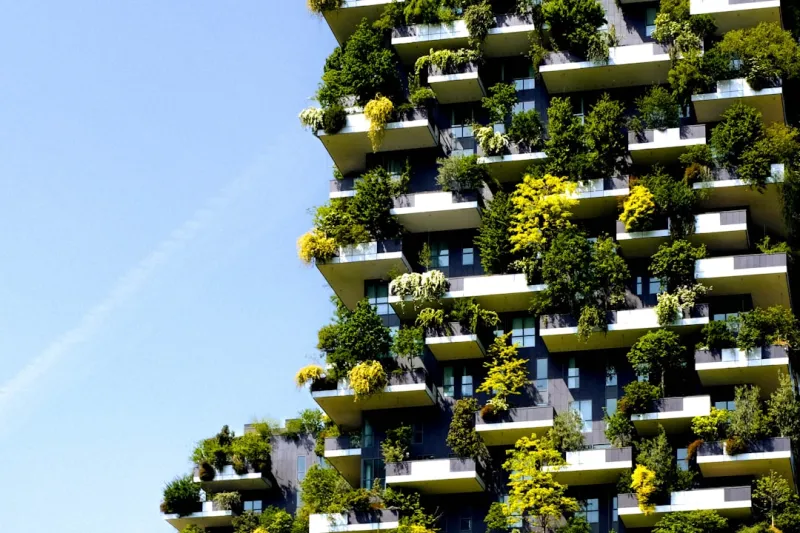
The Future of Architectural Design: Why Sustainability Matters
As an architect, I've always been fascinated by the intersection of form and function. But as we continue to grapple with the challenges of climate change, it's clear that sustainability needs to be at the forefront of our design decisions. In this article, I'll explore the importance of sustainable architectural design and why it's essential for modern homes. Sustainable design is no longer a nicety, it's a necessity.
The built environment has a profound impact on our planet, accounting for nearly 40% of global carbon emissions. As architects, we have a responsibility to create buildings that not only minimize their environmental footprint but also promote occupant health and well-being. This is why I'm passionate about embracing sustainable architectural design. By incorporating green building materials, optimizing energy efficiency, and promoting natural ventilation, we can create buildings that are not only eco-friendly but also beautiful and functional.
The Benefits of Sustainable Design
So, what are the benefits of sustainable design? For starters, sustainable buildings can significantly reduce energy consumption, which not only helps the environment but also saves homeowners money on their utility bills. Additionally, sustainable design can improve indoor air quality, which is essential for occupant health and well-being. By incorporating natural materials and minimizing waste, we can create buildings that are not only sustainable but also aesthetically pleasing. For example, using reclaimed wood and low-VOC paints can add a unique character to a building while promoting a healthy indoor environment.
The Role of Materials in Sustainable Design
When it comes to sustainable design, materials play a critical role. As architects, we need to carefully select materials that are not only eco-friendly but also durable and sustainable. This is why I'm a big fan of concrete. Yes, you read that right – concrete! When used sustainably, concrete can be an incredibly durable and eco-friendly material. For instance, using locally sourced concrete can reduce transportation emissions, while also supporting the local economy.
The Importance of Energy Efficiency
Energy efficiency is another critical aspect of sustainable design. By optimizing energy efficiency, we can reduce a building's carbon footprint while also saving homeowners money on their utility bills. This can be achieved through a range of strategies, including effective insulation, double glazing, and renewable energy systems. For example, installing solar panels or a geothermal heating system can significantly reduce a building's reliance on fossil fuels.
The Impact of Sustainable Design on Occupant Health
But sustainable design isn't just about the environment – it's also about occupant health and well-being. By incorporating natural materials, promoting natural ventilation, and optimizing natural light, we can create buildings that promote occupant health and happiness. For instance, studies have shown that buildings with plenty of natural light can improve mood and productivity, while also reducing the risk of depression and anxiety.
The Future of Sustainable Design
So, what does the future of sustainable design look like? As architects, we need to continue pushing the boundaries of what's possible. This means embracing new technologies, materials, and strategies that promote sustainability and occupant health. It also means working closely with clients to understand their needs and goals, and developing design solutions that meet those needs while also promoting sustainability. The future of sustainable design is bright – and it's here now.
Conclusion
In conclusion, sustainable architectural design is no longer a nicety – it's a necessity. By incorporating green building materials, optimizing energy efficiency, and promoting natural ventilation, we can create buildings that are not only eco-friendly but also beautiful and functional. As architects, we have a responsibility to create buildings that promote occupant health and well-being, while also minimizing their environmental footprint. I hope this article has inspired you to think differently about sustainable design, and to join me in embracing this critical aspect of modern architecture.
Some key strategies for sustainable design include:
- Incorporating green building materials
- Optimizing energy efficiency
- Promoting natural ventilation
- Using natural materials
- Minimizing waste
By following these strategies, we can create buildings that are not only sustainable but also beautiful and functional.
Additional Resources
If you're interested in learning more about sustainable design, I recommend checking out the following resources:
- Embracing Sustainable Architectural Design: A New Era for Modern Homes
- The Ultimate Guide to Concrete: Benefits, Applications, and Best Practices
- Staying Cozy While Saving Energy: My Top Tips for Home Heating and Cooling
These resources provide a wealth of information on sustainable design, from the benefits of green building materials to strategies for optimizing energy efficiency.

David MacKinnon is a dynamic freelance writer known for his captivating storytelling and keen insights into the world of technology. With a passion for exploring the intersection of innovation and everyday life, he crafts engaging narratives that not only inform but also inspire his readers.
Related Posts
Dynamic Facades: The Future of Adaptive Architecture
Adaptive façades turn building envelopes into responsive systems that cut energy costs, boost occup... Read More
AI-Powered Facades: Rethinking Building Skins for Climate Resilience
An in‑depth look at AI‑powered façade systems, revealing how parametric design, real‑time dat... Read More
Living Walls: How Responsive Materials Are Redefining Architectural Design
Responsive materials are giving architecture a new sense of agency. From smart glass that tints on d... Read More
Top Posts

Unlocking Hidden Comfort: DIY Insulation Hacks for Every Room
A practical, room‑by‑room guide shows how simple DIY insulation upgrades can dramatically improve comfort, cut energy costs, and add value to your home with...Read More

Walking on the Future: How Bio‑Based Flooring is Redefining Healthy Spaces
A deep dive into the emerging world of bio‑based flooring—mycelium panels, hemp composites, and reclaimed ocean plastics—showcasing their health benefits,...Read More

Handyman Services Go Subscription & Remote Diagnostics
This article explores three emerging trends—subscription models, remote AR diagnostics, and upcycling materials—that are reshaping the handyman industry and...Read More
Micro‑Fixes for Home Repair: Save Time and Money
Learn how to tackle everyday home repair issues with a mini‑project mindset, essential tools, and step‑by‑step guides that save time, money, and boost con...Read More
0 Comments
Post Comment
You will need to Login or Register to comment on this post!