
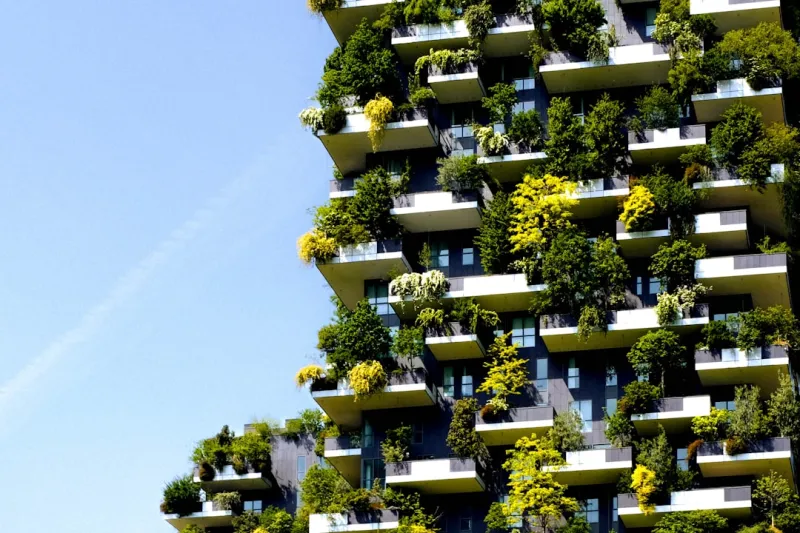
Embracing Sustainable Architectural Design: A New Era for Modern Homes
As an architectural designer, I've always been fascinated by the intersection of form and function. With the growing concern about climate change, sustainability has become a pressing issue in the construction industry. Homeowners and architects alike are seeking innovative ways to reduce their environmental footprint while creating beautiful, functional spaces. In this article, I'll explore the latest trends in sustainable architectural design and how they can be applied to modern homes.
Sustainable design is no longer just a buzzword; it's a necessity. With the built environment accounting for nearly 40% of global carbon emissions, it's essential that we adopt eco-friendly practices in our construction projects. One way to achieve this is by incorporating green building materials into our designs. Materials like reclaimed wood, low-carbon concrete, and recycled glass can significantly reduce a building's carbon footprint. For instance, using reclaimed wood can help reduce waste and preserve natural resources.
The Benefits of Sustainable Design
Sustainable design offers numerous benefits, including reduced energy consumption, lower operating costs, and improved indoor air quality. By incorporating natural ventilation systems, solar panels, and energy-efficient appliances, homeowners can significantly reduce their reliance on fossil fuels. Moreover, sustainable design can also enhance the aesthetic appeal of a building, creating a unique and harmonious relationship between the built environment and nature. A well-designed sustainable building can also increase property value and provide a healthier living space for occupants.
Effective Property Maintenance: A Key to Sustainable Design
Effective property maintenance is crucial to preserving the integrity of a building and ensuring its sustainability. Regular maintenance can help prevent costly repairs, reduce waste, and promote energy efficiency. For example, a well-maintained roof can last for decades, reducing the need for replacements and minimizing waste. By prioritizing maintenance, homeowners can extend the lifespan of their building and reduce their environmental footprint.
Innovative Materials and Technologies
The construction industry has witnessed significant advancements in materials and technologies, enabling architects to create sustainable buildings that are both functional and aesthetically pleasing. For instance, cross-laminated timber (CLT) has emerged as a sustainable alternative to traditional building materials. CLT is a renewable resource that can sequester carbon dioxide, reducing the building's carbon footprint. Additionally, technologies like Building Information Modelling (BIM) and 3D printing are revolutionizing the design and construction process, enabling architects to optimize building performance and minimize waste.
The Role of Insulation in Sustainable Design
Insulation plays a critical role in sustainable design, helping to reduce heat loss and energy consumption. Proper insulation can also improve indoor air quality, reducing the need for mechanical ventilation systems. As I discussed in my previous article on the importance of insulation in home restoration, choosing the right insulation materials can significantly impact a building's energy efficiency. By selecting eco-friendly insulation materials, architects can create buildings that are both sustainable and comfortable.
Breathing New Life into Existing Structures
Sustainable design is not limited to new construction projects; it can also be applied to existing structures. Home restoration is an excellent way to breathe new life into old buildings, reducing waste and preserving the embodied energy of the original structure. By incorporating sustainable materials and technologies, architects can transform outdated buildings into modern, eco-friendly spaces. For example, a well-designed home restoration project can improve energy efficiency, reduce maintenance costs, and enhance the overall quality of life for occupants.
The Future of Sustainable Design
As we look to the future, it's clear that sustainable design will play an increasingly important role in shaping the built environment. Architects, policymakers, and homeowners must work together to create buildings that are not only sustainable but also resilient and adaptable. By embracing innovative materials, technologies, and design strategies, we can create a more sustainable future for generations to come. This can be achieved by prioritizing sustainable design principles, investing in renewable energy sources, and promoting eco-friendly building practices.
Conclusion
In conclusion, sustainable architectural design is no longer a niche concern; it's a critical aspect of modern construction. By incorporating eco-friendly materials, technologies, and design strategies, architects can create buildings that are both beautiful and sustainable. As we move forward, it's essential that we prioritize sustainable design, effective property maintenance, and innovative materials to create a more resilient and sustainable built environment. By working together, we can create a brighter future for ourselves and future generations.
By making sustainable design a priority, we can reduce our environmental footprint, improve indoor air quality, and create buildings that are both functional and aesthetically pleasing. As architects, designers, and homeowners, we have a responsibility to create buildings that not only minimize harm but also promote well-being and sustainability.

Lifan Chen is a freelancer based in Toronto specializing in marketing. With expertise in crafting effective marketing strategies and campaigns, Lifan helps businesses grow their brand presence and reach target audiences. As a Toronto-based freelancer, Lifan combines local market insights with creative marketing skills to deliver tailored solutions for clients.
Related Posts
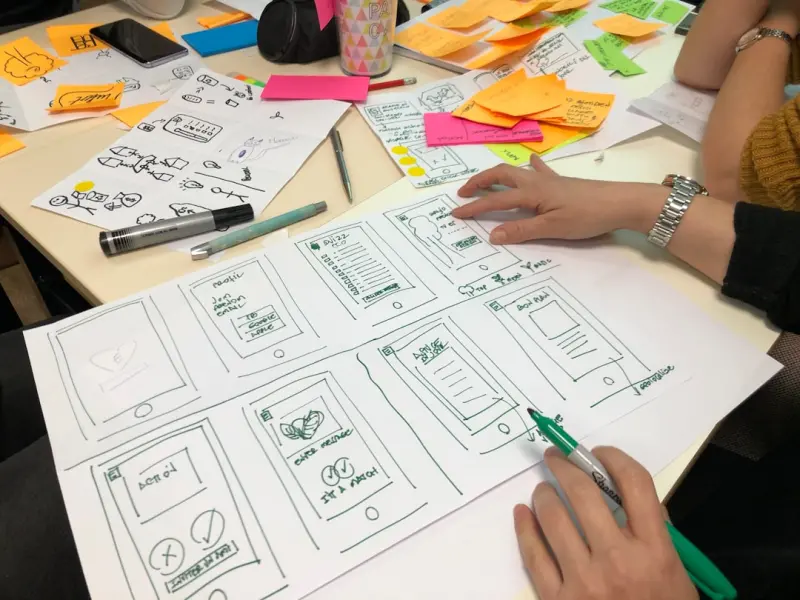
Designing for Cognitive Wellness: Architecture That Minds the Brain
A deep dive into designing spaces that support mental clarity, emotional balance, and productivity, ... Read More
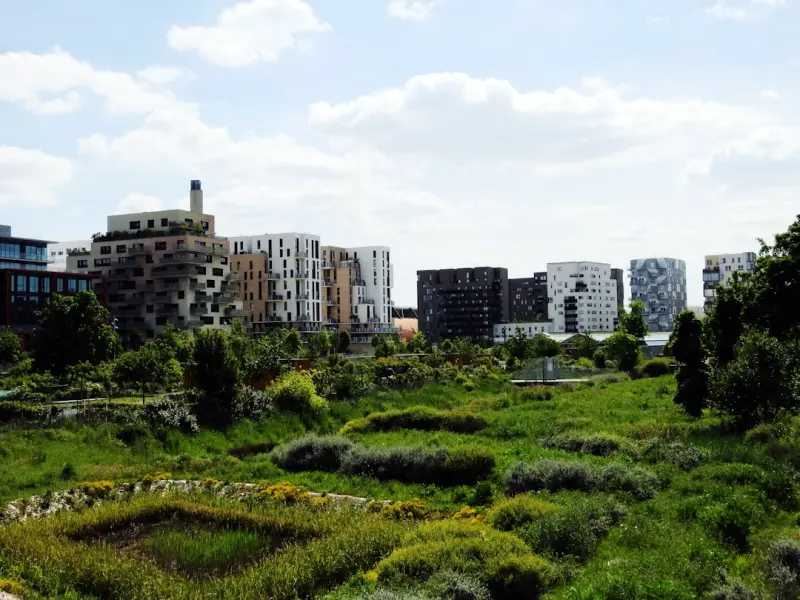
Reimagining Urban Living: Adaptive Biophilic Architecture
Explore the power of adaptive biophilic architecture, turning dense urban environments into thriving... Read More
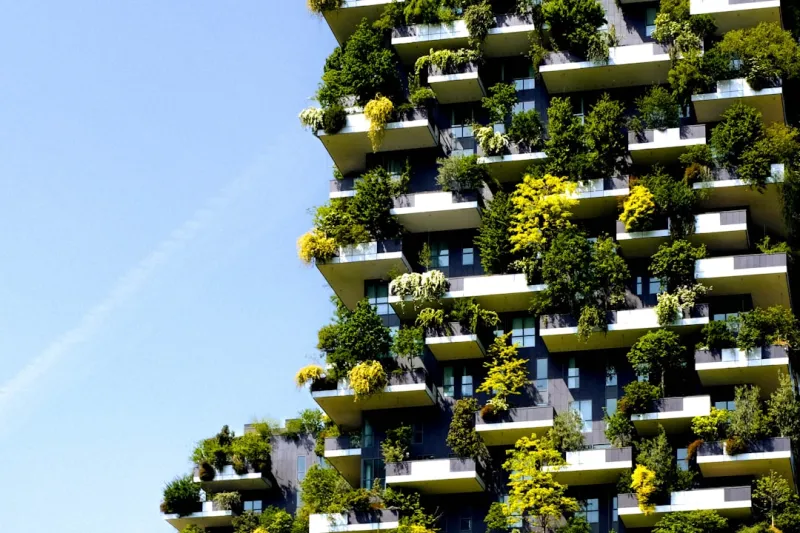
The Future of Architectural Design: Why Sustainability Matters
As an architect, I'm passionate about sustainable design. Learn why sustainability matters in archit... Read More
Top Posts
Concrete as a Brand‑Defining Asset: From Color to Data
Explore how modern businesses can transform concrete from a passive foundation into a dynamic brand asset using integrated color, rapid modular formwork, and em...Read More

Design‑Build Mastery: A Hands‑On Journey to Sustainable, Smart Living
A designer‑builder shares a hands‑on, sustainable renovation story—from planning to smart‑home integration—offering actionable tips for a cohesive, ec...Read More
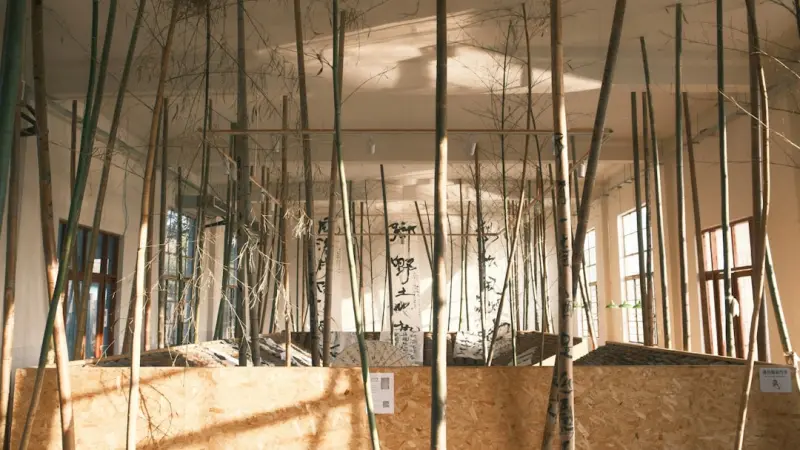
Eco‑Friendly Drywall: Sustainable Materials, Healthier Homes
Explore sustainable drywall choices, eco‑friendly installation methods, and future bio‑based trends that create healthier, low‑impact living spaces....Read More

Adaptive Reuse: Unlocking Hidden Value in Commercial Renovations
Adaptive reuse transforms old factories and warehouses into modern, profitable workspaces. Learn data‑driven strategies, sustainability tactics, and human‑c...Read More
0 Comments
Post Comment
You will need to Login or Register to comment on this post!