
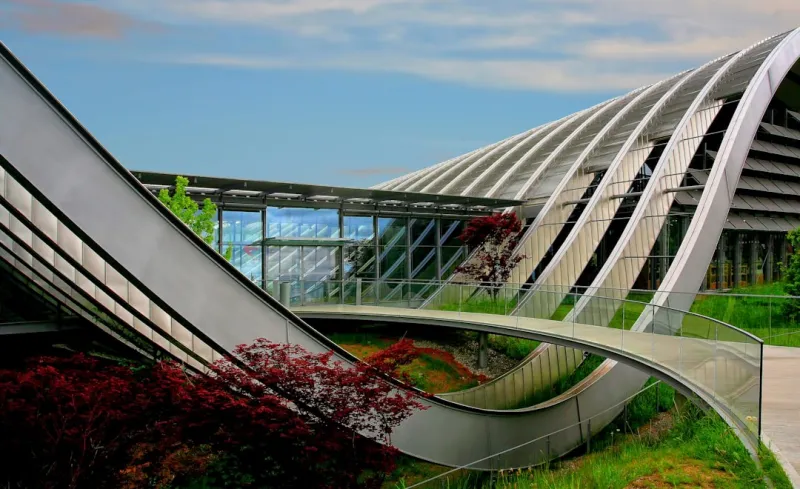
The Intersection of Architectural Design and Sustainable Practices
As an architect, I, Paul Gray, have always been fascinated by the intricate relationship between building design and the environment. In recent years, the importance of sustainable practices has become increasingly evident, and it's no longer just about reducing our carbon footprint – it's about creating buildings that not only minimize their impact on the environment but also provide healthier, more comfortable spaces for occupants. One of the key areas where sustainable practices are making a significant impact is in sustainable fencing. By incorporating eco-friendly materials and designs, architects can create buildings that are not only aesthetically pleasing but also environmentally responsible.
The Evolution of Sustainable Design
The concept of sustainable design has come a long way since its inception. What was once considered a niche approach to building design has now become a mainstream requirement. As architects, we are no longer just designing buildings; we are creating ecosystems that interact with the surrounding environment. This shift towards sustainability has led to the development of innovative materials, technologies, and design strategies that prioritize environmental responsibility. For instance, sustainable tree care practices are essential in maintaining the health and longevity of trees, which play a critical role in mitigating the urban heat island effect and improving air quality.
The Role of Sustainable Materials in Architectural Design
One of the most significant ways architects can promote sustainability is through the selection of eco-friendly materials. The production, transportation, and disposal of traditional building materials have a substantial impact on the environment. In contrast, sustainable materials are designed to minimize waste, reduce energy consumption, and promote recycling. For example, reclaimed wood, low-VOC paints, and recycled glass are just a few examples of materials that can help reduce a building's environmental footprint. As architects, it's essential that we prioritize the use of sustainable materials in our designs to create buildings that not only look good but also do good.
The Benefits of Sustainable Roofing
A building's roof is often overlooked, but it's one of the most critical components in terms of sustainability. A well-designed roof can help reduce energy consumption, manage stormwater runoff, and even provide additional living or storage space. Sustainable roofing options, such as green roofs, solar roofs, and cool roofs, offer a range of benefits that can significantly impact a building's environmental performance. By incorporating sustainable roofing strategies into our designs, architects can create buildings that are not only functional but also environmentally responsible.
The Future of Architectural Design
As architects, we have a unique opportunity to shape the future of building design and create a more sustainable built environment. The intersection of architectural design and sustainable practices is complex and multifaceted, but it's an area that offers tremendous potential for innovation and creativity. By embracing sustainable design principles, prioritizing eco-friendly materials, and incorporating cutting-edge technologies, we can create buildings that not only minimize their impact on the environment but also provide healthier, more comfortable spaces for occupants.
The Importance of Sustainable Home Improvements
As the built environment continues to evolve, it's essential that we prioritize sustainable home improvements. This includes everything from upgrading to energy-efficient appliances and lighting to incorporating sustainable materials and design strategies into our renovation projects. By embracing sustainable home improvements, homeowners can reduce their environmental footprint, lower their energy bills, and create a healthier living space. As architects, it's our responsibility to educate and guide homeowners on the benefits of sustainable design and help them make informed decisions about their home improvement projects.
The Role of Technology in Sustainable Design
Technology is playing an increasingly important role in sustainable design. From energy-efficient systems to smart building technologies, there are a wide range of tools and strategies that architects can use to create more sustainable buildings. For example, building information modeling (BIM) software allows architects to create detailed, data-driven models of buildings that can help optimize energy performance, reduce waste, and improve overall sustainability. By leveraging technology, architects can create buildings that are not only sustainable but also functional, efficient, and cost-effective.
Conclusion
The intersection of architectural design and sustainable practices is a complex and multifaceted area that offers tremendous potential for innovation and creativity. As architects, we have a unique opportunity to shape the future of building design and create a more sustainable built environment. By embracing sustainable design principles, prioritizing eco-friendly materials, and incorporating cutting-edge technologies, we can create buildings that not only minimize their impact on the environment but also provide healthier, more comfortable spaces for occupants. Whether it's through sustainable design build practices or incorporating eco-friendly materials into our designs, there are countless ways that architects can promote sustainability and create a better future for generations to come.
Final Thoughts
As I look to the future of architectural design, I'm excited to see the impact that sustainable practices will have on the built environment. From sustainable fencing to eco-friendly roofing, there are countless ways that architects can create buildings that are not only aesthetically pleasing but also environmentally responsible. By prioritizing sustainability, embracing innovative technologies, and promoting eco-friendly materials, we can create a built environment that is not only sustainable but also resilient, adaptable, and thriving.

Paul Gray is a dynamic blogger based in Brampton, where he shares his life with his amazing wife, Sarah. Known for his engaging writing style and relatable insights, Paul has carved out a niche in the blogging world that resonates with readers from all walks of life. When he's not crafting captivating posts, you can find him savoring a cold beer or indulging in the latest blockbuster movie. With a friendly demeanor and a passion for storytelling, Paul brings a unique perspective to his work, making him not just a blogger, but a voice for those who appreciate the simple joys of life.
Related Posts
Designing for Cognitive Wellness: Architecture That Minds the Brain
A deep dive into designing spaces that support mental clarity, emotional balance, and productivity, ... Read More
Reimagining Urban Living: Adaptive Biophilic Architecture
Explore the power of adaptive biophilic architecture, turning dense urban environments into thriving... Read More

Designing for Neurodiversity: Architectural Strategies That Support Different Minds
A fresh look at architecture that honors neurodiversity, offering practical design tactics to make s... Read More
Top Posts

From Drafts to Delight: Monetizing Climate Control in Commercial Spaces
A fresh look at HVAC shows it can be more than a utility—by leveraging sensors, AI, and subscription models, businesses can improve employee comfort, slash en...Read More

Restoring Furniture for a Circular Future: Craft Meets Tech
Discover the fusion of traditional craftsmanship and cutting‑edge technology in furniture restoration, and learn how this approach creates sustainable, storyâ...Read More

The Often-Overlooked Heroes of Home Maintenance: Gutters
Gutters play a vital role in keeping your home safe and secure, but they're often neglected until it's too late. Learn how to maintain your gutters and why they...Read More

Robotic Duct Cleaning: How AI and Sensors Are Revolutionizing HVAC Maintenance
Traditional duct cleaning is outdated. By embracing AI‑driven sensors, autonomous robots, and drone inspections, facilities can turn HVAC maintenance into a p...Read More
0 Comments
Post Comment
You will need to Login or Register to comment on this post!