

When you’ve spent a decade swapping out leaky faucets, tightening squeaky hinges, and coaxing stubborn wiring back to life, you start to see a pattern: the biggest money‑savers aren’t the big remodels but the tiny, often‑overlooked tasks that keep a house humming. This is the essence of preventive maintenance—a handyman’s secret weapon for turning routine chores into genuine ROI.
Why Preventive Maintenance Beats Reactive Repairs
Most homeowners think in terms of “when it breaks, I’ll fix it.” That mindset is costly. A single burst pipe can flood an entire first floor, leading to structural damage, mold remediation, and insurance headaches. In contrast, a quick inspection of pipe joints and a few minutes of sealant can avert the disaster entirely. The math is simple: a few dollars spent today prevent thousands of dollars of emergency work tomorrow.
The 12‑Month Maintenance Calendar You Can Trust
Organizing tasks into a calendar removes the guesswork. Here’s a straightforward schedule that any handyman can adopt and hand to a client:
- January – Inspect Insulation & Weather‑strip Doors: Cold weather reveals gaps that waste energy and let moisture in.
- February – Test Smoke & CO Detectors: Replace batteries and clean sensors; a life‑saving habit that takes under five minutes.
- March – Clean Gutters & Downspouts: Prevent water damage to foundations and siding before the spring rains.
- April – Service Outdoor Faucets & Sprinklers: Flush lines, replace washers, and check for leaks before the garden awakens.
- May – Check HVAC Filters & Duct Seals: A clean filter reduces energy consumption by up to 15 %.
- June – Examine Decks & Patios: Tighten railings, replace rotted boards, and reseal surfaces for summer gatherings.
- July – Inspect Roof Shingles: Spot cracked or missing shingles early to avoid costly roof patches.
- August – Service Garage Door Mechanics: Lubricate tracks, test safety sensors, and tighten bolts to keep the hub running smoothly.
- September – Test Sump Pump: Run water through the pit to confirm proper operation before fall rains.
- October – Seal Exterior Cracks: Apply caulk around windows, doors, and foundation cracks to keep drafts out.
- November – Winterize Outdoor Plumbing: Drain hoses, cover faucets, and add antifreeze to prevent freeze‑burst.
- December – Review Home Safety Checklist: Confirm fire extinguishers, first‑aid kits, and emergency lighting are up to date.
This calendar isn’t just a list; it’s a habit‑forming tool. By performing a handful of checks each month, you build a safety net that catches problems before they become headline‑grabbing repair bills.
Tools of the Trade: Building a Minimalist Kit
It’s tempting to load up on every gadget under the sun, but a seasoned handyman knows that a lean kit delivers the most value. Here are the essentials that fit in a sturdy tote:
- Multimeter – For quick voltage, continuity, and resistance checks.
- Adjustable Wrench Set – Covers most pipe and bolt sizes.
- LED Flashlight with Adjustable Beam – Hands‑free models free up a hand for work.
- Digital Infrared Thermometer – Spot hidden heat loss around windows and ducts.
- Quality Screwdriver Set (Phillips, Flathead, Torx) – Avoid stripping screws on delicate fixtures.
- Mini Pipe Inspection Camera – See inside walls without demolition.
- Non‑Slip Work Gloves – Protect hands while maintaining grip.
- Portable Vacuum with HEPA Filter – Clean up after any small demolition or dust‑producing job.
Investing in durable, multi‑purpose tools pays off quickly. When you’re called to a job, having the right gear on hand means you can complete the task in one visit, reducing labor hours and client inconvenience.
The Money‑Saving Power of Small Fixes
Consider the humble leaky faucet. A single drip can waste more than 3,000 gallons of water a year—roughly 300 kWh worth of energy to heat that water. Replacing a worn washer or a faulty O‑ring costs under $10 in parts and a half hour of labor, yet the water bill drops immediately. Multiply that across multiple fixtures, and the savings stack up dramatically.
Another example: tightening loose dryer vent connections. A vent that’s not sealed leaks heated air into the home, increasing heating loads in winter and cooling loads in summer. A quick clamp or foil tape job restores efficiency, cutting utility costs by 5‑10 % on average.
Client Education: Turning One‑Time Jobs into Ongoing Relationships
Every preventive task is an opportunity to educate a homeowner about the value of regular upkeep. Hand them a simple checklist (like the calendar above) and explain the “why” behind each step. When clients understand that a $20 inspection can stave off a $2,000 pipe burst, they’re far more likely to schedule recurring maintenance contracts.
One of my favorite conversational hooks is, “Think of your house as a car—you wouldn’t skip oil changes, so why skip home inspections?” That analogy resonates and opens the door to discuss a yearly service plan, which can be packaged as a subscription for a predictable revenue stream.
Integrating Technology Without Overcomplicating
While we avoid the hype of “smart” everything, simple tech can still enhance a handyman’s workflow. A hand plane revival article reminded me that blending classic tools with modest digital aids—like a Bluetooth-enabled moisture meter—gives precise readings without turning the job into a tech demo.
Another subtle upgrade is using a cloud‑based scheduling app that syncs with your calendar and sends automated reminders to clients for upcoming seasonal checks. The client receives a friendly email titled “Your Home’s Summer Checklist Is Ready,” reinforcing the value you bring.
Leveraging the Garage as a Maintenance Hub
Most homeowners think of the garage as a storage space, but it can be transformed into a garage hub for all preventive tasks. Install a wall‑mounted pegboard for tools, a workbench with built‑in lighting, and a small utility sink for cleaning parts. A dedicated space streamlines the workflow, reduces the time you spend searching for a wrench, and impresses clients with professionalism.
Even a basic upgrade—adding a portable power inverter and a battery backup—means you can keep essential tools running during brief power outages, allowing you to finish a job without delay. The garage becomes a command center, reinforcing the handyman’s role as the home’s caretaker.
Documenting Work: Building Trust Through Transparency
After each preventive visit, provide a concise report: what was inspected, what was fixed, and what’s next on the calendar. Include photos where relevant. This documentation serves two purposes:
- Clients see tangible evidence of work performed, which justifies the cost.
- It creates a historical record that can be referenced for warranty claims or future upgrades.
A simple PDF generated from a template can be emailed within minutes. Over time, a library of reports becomes a showcase of your thoroughness—a powerful marketing asset.
Scaling the Preventive Model for Commercial Clients
While homeowners benefit from the calendar approach, small businesses and property managers need a more robust schedule. Adapt the 12‑month plan into a quarterly inspection program that covers high‑traffic areas, HVAC systems, fire safety equipment, and structural elements. Offer bundled pricing that includes a detailed audit and a follow‑up service call.
Commercial clients appreciate the predictability of a fixed‑cost service contract. It smooths budgeting and reduces surprise downtime, which can be costly in an office or retail environment. By positioning yourself as a proactive partner rather than a reactive fixer, you tap into a more stable revenue stream.
Measuring Success: KPI’s Every Handyman Should Track
To ensure your preventive maintenance business is thriving, monitor these key performance indicators:
- Repeat Service Rate – Percentage of clients who schedule follow‑up visits.
- Average Time to Resolve Issues – Faster resolutions boost client satisfaction.
- Cost Savings Reported by Clients – Gather data on utility bill reductions or avoided repairs.
- Referral Rate – Happy clients become brand ambassadors.
Use a simple spreadsheet or a low‑cost CRM to log each job, notes, and outcomes. Review the data monthly to spot trends—maybe you’re seeing more roof leaks in a certain neighborhood, indicating a market opportunity for a targeted outreach campaign.
Final Thoughts: The Handyman as a Home’s First Line of Defense
Preventive maintenance is more than a list of chores; it’s a philosophy that shifts the handyman’s role from “firefighter” to “guardian.” By mastering the calendar, equipping yourself with the right tools, and communicating value clearly, you create lasting relationships and a sustainable business model. The next time a client asks, “Do I really need a yearly check‑up?” you’ll have the numbers, stories, and confidence to answer with a resounding, “Absolutely.”

Paul Gray is a dynamic blogger based in Brampton, where he shares his life with his amazing wife, Sarah. Known for his engaging writing style and relatable insights, Paul has carved out a niche in the blogging world that resonates with readers from all walks of life. When he's not crafting captivating posts, you can find him savoring a cold beer or indulging in the latest blockbuster movie. With a friendly demeanor and a passion for storytelling, Paul brings a unique perspective to his work, making him not just a blogger, but a voice for those who appreciate the simple joys of life.
Related Posts

The Handyman’s New Playbook: Turning One‑Off Jobs into Ongoing Relationships
The post explores how handymen can evolve from reactive repair technicians to proactive home‑care ... Read More
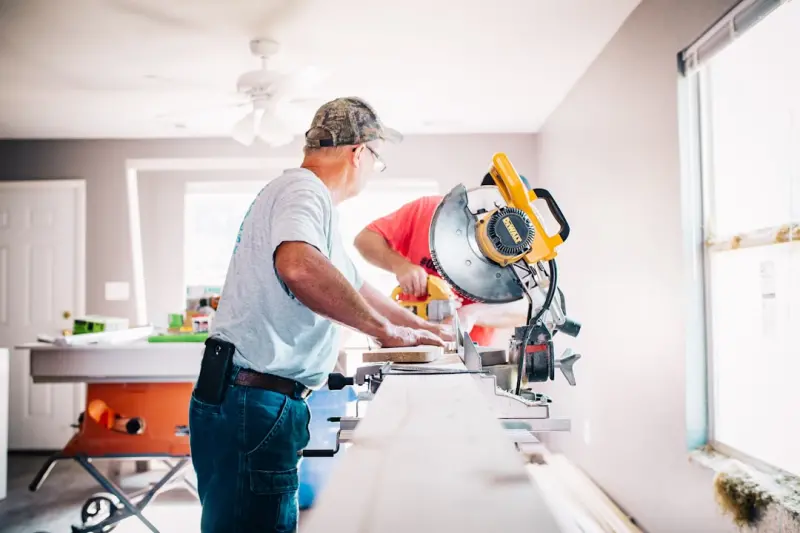
Why Handyman Services Are Shifting to Subscriptions
A deep dive into the rising subscription model for handymen, exploring tech integration, permit hand... Read More
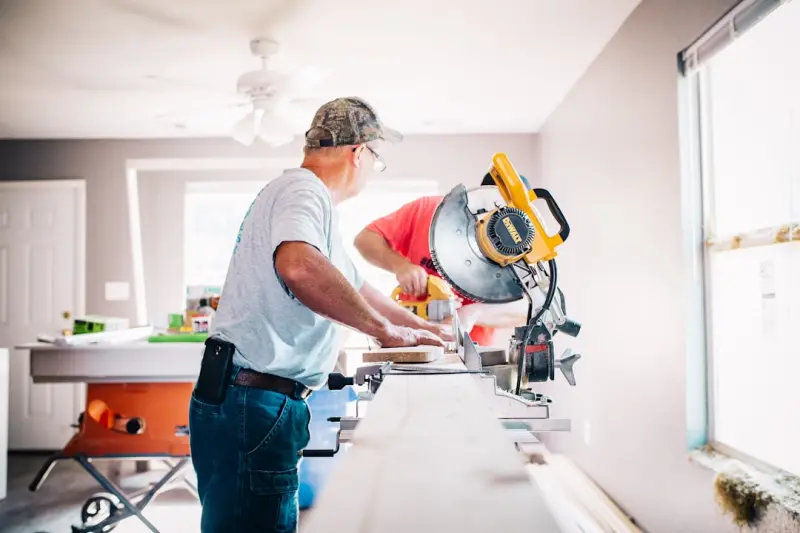
Green Handyman Practices: Sustainable Fixes for Modern Homes
A handyman’s role is evolving beyond quick fixes to include sustainable practices that reduce wast... Read More
Top Posts
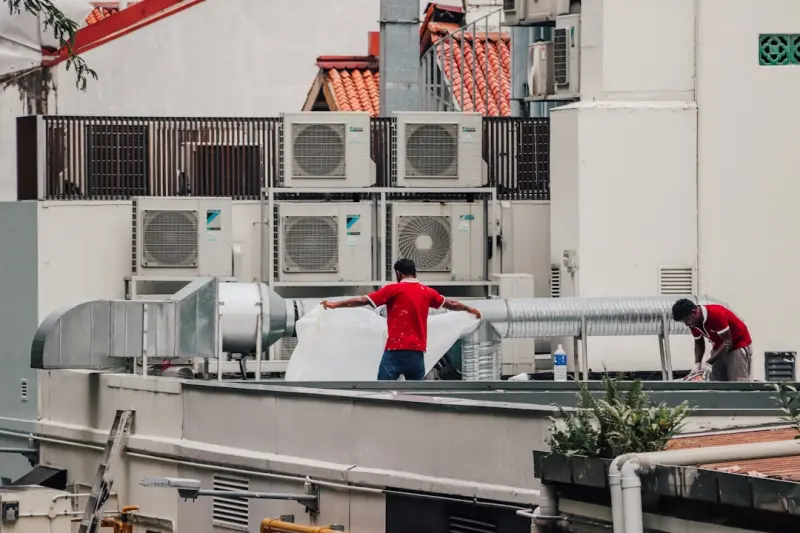
Why Duct Cleaning Should Be a Cornerstone of Your Facility’s Maintenance Strategy
Regular duct cleaning is more than a cleaning chore—it’s a strategic maintenance move that boosts indoor air quality, reduces energy consumption, and protec...Read More

Roofing Reimagined: How Smart Materials Are Turning Your Roof Into a Living Asset
Modern roofs are evolving from passive shields to intelligent platforms that generate energy, regulate climate, and predict maintenance needs, delivering signif...Read More
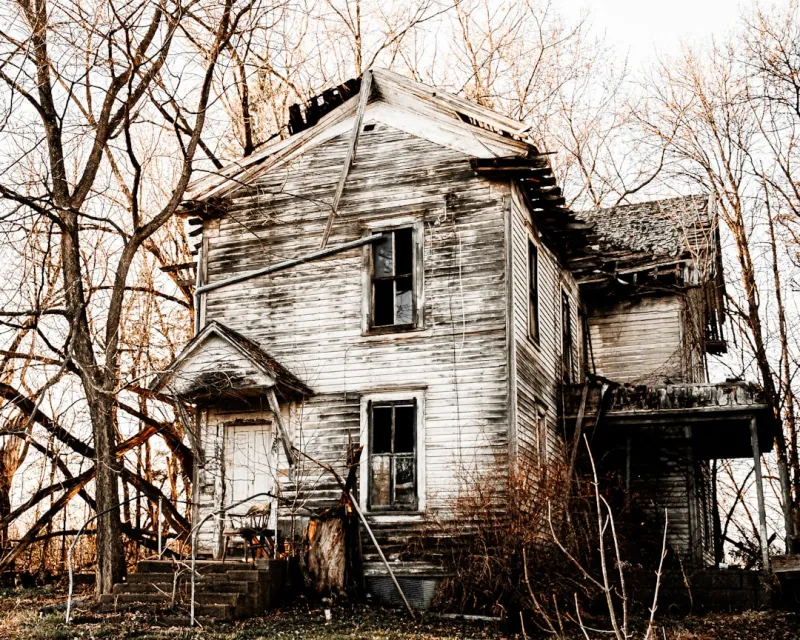
Sustainable Home Restoration: Turning Old Spaces into Green Havens
Learn to revitalize your home responsibly: assess structure, choose green materials, integrate smart tech, and create lasting value while protecting the planet....Read More

Predictive Maintenance: The Future of Appliance Repair
Discover how proactive, data‑driven maintenance can prevent costly appliance breakdowns, improve energy efficiency, and support sustainable living....Read More
0 Comments
Post Comment
You will need to Login or Register to comment on this post!