
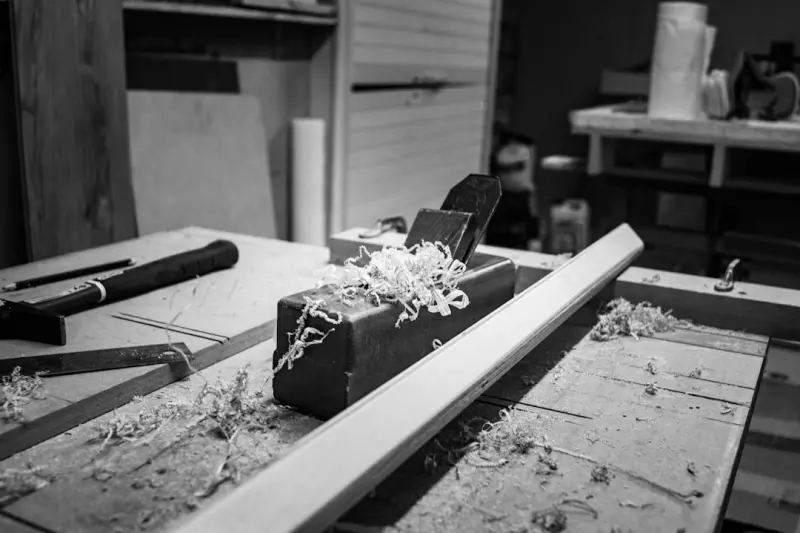
Rediscovering the Hand Plane: A Craftsman's Path to Precision and Joy
When I first walked into a bustling makerspace, the air buzzed with the whirr of CNC routers and the hiss of laser cutters. Yet, tucked in the corner, a modest wooden bench held a weather‑worn hand plane—its iron blade gleaming despite the dust. In that moment I realized that, in an age of digital fabrication, the humble hand plane offers something no machine can replicate: a tactile dialogue between wood, tool, and maker.
The Sensory Dialogue Between Tool and Timber
Modern woodworking is often praised for its efficiency, but efficiency can eclipse the subtle conversations that happen when a blade meets grain. A well‑sharpened plane whispers as it glides, revealing the wood’s character grain by grain. You feel resistance, you hear a soft “whoosh,” and you watch a shaving curl away like a ribbon of history. This sensory feedback cultivates a deeper respect for the material and sharpens the maker’s intuition—an advantage that even the most sophisticated digital twin technology cannot emulate.
Why Hand Planes Still Matter in a Digital World
- Material Awareness: Hand planing forces you to read the wood’s grain, moisture content, and natural imperfections. This knowledge translates into better design decisions later on.
- Fine‑Grain Control: While a CNC can mill a flat surface, it often leaves a micro‑tear that can affect finish quality. A hand plane produces a cleaner, smoother surface that takes less sanding.
- Portability: A hand plane is lightweight and requires no power source—perfect for on‑site adjustments or remote workstations where electricity is scarce.
- Eco‑Consciousness: Using hand tools dramatically reduces energy consumption, aligning with sustainable practices without sacrificing craftsmanship.
Choosing the Right Plane for Your Projects
Not all planes are created equal. Here’s a quick guide to match the tool to the task:
- Bench Plane (No. 4 or No. 5): Ideal for flattening and smoothing larger boards; a true workhorse for any shop.
- Block Plane: Compact and perfect for end grain trimming, dovetail cleanup, and small‑scale detail work.
- Shoulder Plane: Essential for trimming tenons and preparing mortises with precision.
- Rabbet Plane: Best for cutting clean shoulders and dados when a router isn’t practical.
Invest in a plane with a comfortable grip and a reliable adjustment mechanism. A quality plane can last a lifetime and become a signature element of your workshop.
Sharpening the Blade: An Art Worth Mastering
The heart of any plane is its blade. A dull blade produces ragged shavings and burns the wood. Sharpening is a ritual that reinforces the maker’s connection to the craft. Here’s a streamlined process:
- Flatten the bevel using a coarse stone (around 400 grit) to remove any nicks.
- Progress to a medium stone (800–1000 grit) to shape the bevel angle—typically 25° for a bench plane.
- Finish with a fine stone (4000 grit or higher) for a mirror‑like edge.
- Hone the back of the blade on a leather strop with a bit of compound to remove any burrs.
Consistency is key. Keep a log of your grit progression and the pressure applied; you’ll notice a dramatic improvement in shave quality.
Integrating Hand Planes with Modern Workflow
Even if you rely heavily on CNC machines, there’s a sweet spot where hand planing enhances digital output. For example, after a CNC rough cut, a quick pass with a bench plane can eliminate tool marks and prepare the surface for a flawless finish. This hybrid approach reduces post‑processing time and yields a surface that takes fewer coats of varnish or lacquer.
Another strategy is to use modular closet solutions as a storage system for your hand‑plane accessories. Custom drawers with foam inserts keep blades, honing stones, and adjustment wrenches organized, reducing downtime searching for the right tool.
Creative Projects That Shine with Hand‑Planed Details
To showcase the power of a well‑plane‑finished surface, consider these three projects that blend traditional technique with contemporary aesthetics:
1. Minimalist Floating Shelves
Start with a solid hardwood board, plane it to a uniform thickness, and then edge‑plane the sides for a seamless, feathered look. The subtle shadow line created by the hand‑planed edge adds depth without any added hardware.
2. Hand‑Planed Table Top Inlays
Use a block plane to carefully trim the edges of contrasting wood strips before fitting them into a groove. The hand‑planed edges reveal the grain’s natural flow, turning the inlay into a living illustration of wood’s personality.
3. Portable Workbench with Tapered Legs
Craft the legs using a shoulder plane to achieve a precise taper. This not only reduces material waste but also lends an elegant silhouette that feels both sturdy and airy.
Maintaining Your Plane for Longevity
A well‑maintained plane can become a heirloom. Follow these simple upkeep steps:
- Wipe the sole after each use to prevent resin buildup.
- Apply a thin coat of oil to the wooden parts to guard against humidity.
- Periodically check the frog adjustment to ensure the blade sits flush with the sole.
- Store the plane in a dry environment, preferably in a dedicated tool chest with a humidity buffer.
Teaching the Next Generation: Hand Planes in Education
Many trade schools have shifted focus to CNC training, but incorporating hand‑plane fundamentals can nurture problem‑solving skills and patience in apprentices. A short module where students plane a simple board teaches them about grain direction, blade geometry, and the value of incremental progress—principles that translate directly to digital design workflows.
Conclusion: Embrace the Balance of Old and New
The hand plane is more than a nostalgic relic; it’s a bridge between the tactile wisdom of traditional woodworking and the precision of modern fabrication. By integrating hand planing into your process, you unlock a level of control, sustainability, and artistic expression that no purely digital method can replicate. So, dust off that old plane, sharpen its blade, and let the wood speak to you—one shaving at a time.

When it comes to the world of blogging and writing, Rose DesRochers is a name that stands out. Her passion for creating quality content and connecting with her audience has made her a trusted voice in the industry. Aside from her skills as a writer and blogger, Rose is also known for her compassionate nature.
Related Posts
Wood Working Wonders: How This Timeless Craft Can Elevate Your Home
Woodworking is a timeless craft that offers endless possibilities for creativity and self-expression... Read More
Rediscovering Handcrafted Joinery: Why the Needle‑Nose Still Matters
A deep dive into the resurgence of hand‑cut joinery, showing how reclaimed timber, ergonomic works... Read More
Modular Woodworking: Designing Flexible Furniture That Grows With You
Learn the secrets of modular woodworking: from smart joinery and reclaimed lumber to hidden tech int... Read More
Top Posts

Thermal Imaging & Data Analytics: A Fresh Take on Energy Inspection
Explore the power of infrared cameras and data analytics to uncover hidden energy loss, integrate occupant habits, and create a DIY checklist for smarter, costâ...Read More

Unlock Your Home's Potential: The Transformative Power of Smart Closets and Storage
Transform your home from cluttered chaos to calm and efficiency with smart closet and storage solutions. Learn expert strategies to optimize every space, reduce...Read More

Concrete’s Quiet Revolution: Sustainable, Intelligent, and Beautiful
Concrete is shedding its gray, static image to become a sustainable, data‑rich, and design‑forward platform that boosts efficiency, brand identity, and envi...Read More

The Sustainable Garage Door Revolution: How Eco-Friendly Designs Are Changing the Game
Sustainable garage doors are revolutionizing home design and energy efficiency. Learn about the latest eco-friendly materials and designs, and how they can redu...Read More
0 Comments
Post Comment
You will need to Login or Register to comment on this post!