
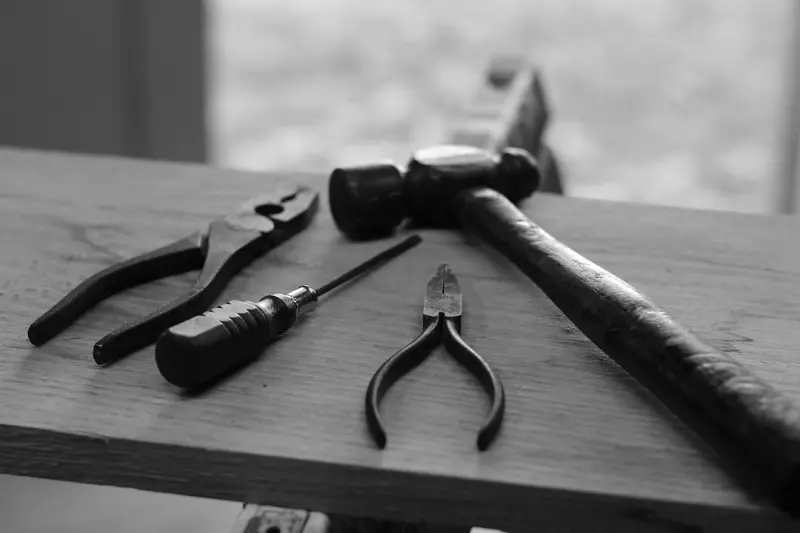
Why Every Handyman Needs a Flexible, Future‑Proof Toolkit
When I first started pulling nails and tightening bolts, my toolbox was a hodgepodge of borrowed tools and whatever I could snag at a garage sale. Over the years, I learned that consistency and reliability are the twin pillars of any successful handyman, and that begins with a well‑curated kit that can adapt to new challenges. A flexible toolkit isn’t just about having the right size wrench; it’s about anticipating the evolving demands of modern homes—think smart‑device mounts, eco‑friendly fixtures, and the occasional DIY art installation. By investing in modular, high‑quality tools now, you’ll save time, reduce frustration, and position yourself as the go‑to problem‑solver in your neighborhood.
The Core Essentials: Tools That Earn Their Keep
Start with the basics: a sturdy ratchet set, a reliable set of screwdrivers (both flat‑head and Phillips), and a versatile adjustable wrench. I’ve found that a mid‑size cordless drill with interchangeable bits can replace a whole drawer of single‑purpose devices, especially when you’re moving between drywall, wood, and light metal work. Don’t overlook a good quality level and a laser distance measurer—these tools cut down on guesswork and ensure every job is straight and true. When you combine these core pieces with a few specialty items, you create a foundation that can handle anything from hanging a picture to assembling a custom shelving unit.
Modular Add‑Ons: Scaling Your Toolbox for Specialty Tasks
As the scope of handyman work expands, so should your toolset. I keep a small, detachable module of specialty tools—like a pipe cutter, a compact voltage tester, and a set of fine‑point pliers—stored in a zip‑pered sleeve that slides into my main case. This way, I can pull out the exact tools I need for a plumbing tweak or an electrical safety check without lugging around a bulky box of rarely used gear. The modular approach also makes it easy to swap out worn‑out pieces and upgrade as new technology arrives, keeping your setup lean yet fully equipped for the unexpected.
Smart Storage Solutions: Protecting Your Investment
Investing in premium tools is only half the battle; preserving them is equally crucial. I use a rugged, water‑resistant toolbox with customizable foam inserts, which cushions each tool and prevents rattling that can cause internal damage. For items I need quick access to—like a utility knife or a tape measure—I keep a small “grab‑n‑go” pouch on the side of the main case. This not only speeds up your workflow but also reduces the wear on hinges and latches caused by frequent opening and closing. A well‑organized toolbox also saves you mental energy, letting you focus on the job at hand rather than rummaging for the right screwdriver.
Future‑Proofing with Smart Home Compatibility
Modern homeowners are increasingly integrating smart devices, and a forward‑thinking handyman must be ready to install and troubleshoot them. I’ve added a Wi‑Fi signal tester and a Bluetooth-enabled multimeter to my modular kit, allowing me to verify connectivity and power integrity before sealing up walls or mounting devices. These tools help you avoid costly re‑work and position you as a tech‑savvy professional. As you expand your services into smart lighting, security cameras, and voice‑activated thermostats, having the right diagnostic gear will set you apart from the competition.
Maintaining Your Gear: A Seasonal Checklist
Just as you schedule seasonal appliance tune‑ups for your clients, your own tools deserve a similar routine. Every spring, I give each cordless battery a full charge cycle, clean dust out of vents, and lubricate moving parts with a light oil. In the fall, I inspect cords for fraying, sharpen blades, and replace any worn‑out batteries. This disciplined maintenance routine extends the lifespan of your equipment and ensures you’re never caught off guard by a dead drill in the middle of a job. For more detailed guidance, check out Seasonal Appliance Tune‑Ups: A Technician’s Playbook for Longevity.
Cost‑Effective Upgrades: Knowing When to Invest
Not every new tool warrants an immediate purchase. I follow a simple rule: if a tool will be used in at least three jobs per month, it’s worth the investment; otherwise, I rent or borrow. This approach keeps my overhead low while still giving me access to high‑end equipment when needed. When you do decide to upgrade, look for tools that offer interchangeable heads or battery platforms, as these provide the most versatility for the smallest price increase. Over time, these strategic choices build a toolkit that feels both expansive and economical.
Building Trust Through Transparency: Communicating Your Toolkit
Clients appreciate knowing you have the right gear for the job, and a quick “tool showcase” can boost confidence. I carry a compact, laminated sheet that lists my core tools, their specifications, and safety certifications. When I discuss a project, I reference the appropriate tool and explain why it’s the best choice, turning a simple repair into an educational moment. This transparency not only builds trust but also positions you as a knowledgeable professional who values quality and safety above all else.
Turning Your Handyman Business Into a Brand
Finally, think of your toolkit as a physical extension of your brand identity. Consistently using high‑quality, well‑maintained tools sends a message of reliability and professionalism to every homeowner you serve. Pair this with a clear, concise service checklist—like the one I share in Spotting Hidden Home Issues Before They Cost a Fortune—and you create a memorable experience that turns one‑time jobs into repeat business. By investing in the right tools, maintaining them diligently, and showcasing your expertise, you’ll cultivate a reputation that keeps your schedule full and your clients happy.

David MacKinnon is a dynamic freelance writer known for his captivating storytelling and keen insights into the world of technology. With a passion for exploring the intersection of innovation and everyday life, he crafts engaging narratives that not only inform but also inspire his readers.
Related Posts

Micro‑Logistics and Community Swaps: Redefining the Modern Handyman
A fresh look at the handyman trade reveals how micro‑logistics, neighbor‑to‑neighbor skill swa... Read More
The Green Revolution in Handyman Services
The handyman industry has evolved to incorporate sustainable solutions. Learn how energy-efficient u... Read More
The Handyman’s New Role as a Tech‑Savvy Home Ally
Today's handyman is a tech‑savvy consultant who uses remote diagnostics, AR overlays, and data‑d... Read More
Top Posts

Unlocking Hidden Comfort: DIY Insulation Hacks for Every Room
A practical, room‑by‑room guide shows how simple DIY insulation upgrades can dramatically improve comfort, cut energy costs, and add value to your home with...Read More

The Hidden Dangers of Dirty Ducts: Why You Need to Prioritize Duct Cleaning
Dirty ducts can pose a significant threat to your indoor air quality, energy efficiency, and health. Learn why duct cleaning is crucial for maintaining a health...Read More

Bathtub Refinishing: A Smart Upgrade for Property Managers
Bathtub refinishing offers a low‑cost, high‑ROI solution for property managers, extending tub life, improving sustainability, and increasing rent premiums t...Read More

Design‑Build Blueprint for Net‑Zero Energy Homes
A deep dive into the design‑build process that turns net‑zero energy goals into reality, covering site analysis, envelope design, renewable integration, and...Read More
0 Comments
Post Comment
You will need to Login or Register to comment on this post!