
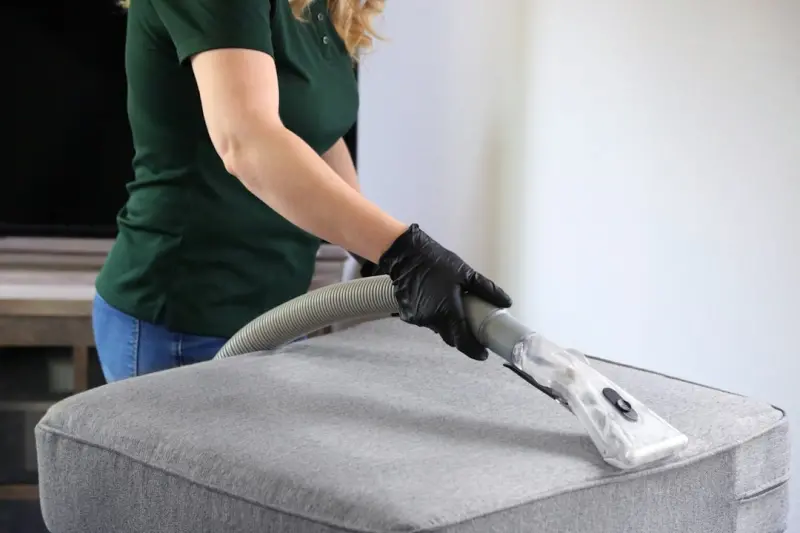
Why Most Carpet Cleaning Guides Miss the Real Secret
When you think of carpet cleaning, the first images that pop up are usually a pricey steam‑cleaner, a bucket of sudsy water, or a commercial service that promises “deep extraction.” What most of those guides overlook is the chemistry and construction behind the fibers themselves. By understanding the science of how carpet fibers interact with stains, moisture, and everyday traffic, you can devise a cleaning routine that’s both effective and gentle—saving money, reducing chemical load, and actually extending the life of the carpet.
The Anatomy of a Carpet: Loop, Cut, and Fiber Types
Loop‑pile carpets, such as Berber, consist of yarns that loop back into themselves. This structure makes them naturally resistant to crushing and ideal for high‑traffic zones, but it also means that stains can sit in the loops, making them harder to lift.
Cut‑pile carpets, on the other hand, have the loops cut, creating a plush, velvety surface. While they feel luxurious underfoot, the exposed fiber ends can fray more easily, and certain cleaning agents can cause “shark‑skin” or pilling if used excessively.
Fiber composition adds another layer of nuance. Polypropylene (olefin) is hydrophobic, meaning water‑based cleaners often bounce off, while nylon and polyester are more absorbent and can hold onto oily stains. Wool, a natural fiber, has a natural lanolin coating that repels water but can be vulnerable to alkaline solutions.
Household Chemistry: The Power of Simple Ingredients
Instead of reaching for a bottle of industrial‑strength cleaner, you can create a potent, carpet‑friendly solution with items you already have in the pantry. Here are three proven combos:
- Vinegar + Baking Soda: The mild acidity of white vinegar breaks down alkaline residues, while baking soda gently lifts grime and neutralizes odors. Sprinkle a thin layer of baking soda, let it sit for 15 minutes, then mist with a 1:1 vinegar‑water spray before vacuuming.
- Club Soda + Dish Soap: Club soda’s carbonation helps lift particles from the fiber surface. Add a few drops of a gentle dish soap to a cup of club soda, dab onto the stain with a microfiber cloth, and blot—don’t rub—to avoid spreading the spot.
- Hydrogen Peroxide + Cornstarch: For stubborn, protein‑based stains (like blood or wine), mix equal parts 3% hydrogen peroxide and water, then add a pinch of cornstarch to create a thick paste. Apply, let dry, and vacuum the residue for a brightened spot.
These combos work because they target the chemical bonds that hold stains to the fibers without saturating the carpet with excess moisture—a crucial factor we’ll discuss next.
The Moisture Balance: Why “Wet” Isn’t Always Better
Carpets are porous, and too much water can seep into the backing, leading to mold, mildew, or a musty odor that defeats any cleaning effort. The key is the wet‑to‑dry ratio. Aim for a damp surface that feels barely moist to the touch—think of a lightly misted sponge, not a soaked towel. After treatment, allow the carpet to dry completely within 4‑6 hours. Using a portable fan or opening windows accelerates this process and prevents the growth of fungal spores.
Seasonal Care Calendar: Timing Your Deep‑Clean Sessions
Just as you rotate your wardrobe, your carpet deserves a seasonal maintenance schedule:
- Spring: Perform a thorough vacuuming, focusing on high‑traffic corridors. Follow with a light vinegar‑baking soda treatment to combat pollen and dust that settled over winter.
- Summer: Address spills quickly—heat can set protein stains. Use the club soda method for outdoor‑related messes (e.g., spilled soda, sunscreen).
- Fall: Leaf litter brings tannins that can discolor fibers. Apply the hydrogen peroxide paste to any discoloration before the first frost.
- Winter: De‑icing salts and moisture from boots can leave a gritty film. A gentle vacuum with a high‑efficiency particulate air (HEPA) filter, followed by a quick mist of diluted vinegar, keeps fibers supple.
Sticking to this calendar reduces the need for aggressive cleaning later, preserving the carpet’s appearance and structural integrity.
Protective Measures: When Prevention Beats Cure
Before you even think about cleaning, consider these preventive steps:
- Entry Mats: Place high‑absorbency mats at every entrance. They capture sand, grit, and moisture, preventing abrasive particles from grinding into the carpet fibers.
- Furniture Coasters: Heavy furniture can compress loops and cause permanent indentations. Use felt coasters or rubber pads to distribute weight evenly.
- Area Rugs: In high‑traffic zones, an area rug can act as a sacrificial layer. Rotate the rug every few months to even out wear.
When Professional Help Is Worth It
Even the most diligent homeowner will encounter deep‑set stains or large‑area wear that DIY methods can’t fully address. Look for a cleaning service that uses low‑temperature extraction and eco‑friendly detergents. Ask about their weather‑resilient home strategies—a company that understands moisture control throughout the building envelope is more likely to treat carpets in a way that prevents future damage.
Choosing the Right Carpet for Future Cleanability
If you’re in the market for a new floor, think ahead. Carpets with a tighter twist count and shorter pile tend to trap less dirt and are easier to vacuum. Moreover, consider fibers that are naturally stain‑resistant, such as solution‑dyed nylon, where the color penetrates the fiber rather than sitting on the surface.
For those who love the organic feel, wool is a superb choice—provided you pair it with a proper soil‑science‑backed flooring choices. The lanolin in wool repels liquids, and regular light vacuuming keeps it looking fresh.
DIY Spot‑Testing: Never Guess, Always Verify
Before applying any homemade solution to a visible area, perform a spot test. Apply a small amount of the mixture to an inconspicuous corner, let it sit for 5‑10 minutes, then blot and assess the color change. This simple step protects against unwanted bleaching or discoloration.
Vacuuming Techniques That Actually Extend Carpet Life
Most people think a quick pass with a vacuum does the job, but proper technique matters. Set your vacuum to the appropriate height—too low can tear fibers; too high leaves debris. Use overlapping strokes, moving the nozzle slowly to give the suction time to lift dirt. For high‑traffic zones, consider a vacuum with a rotating brush that agitates the pile, allowing deeper particle removal without harsh scrubbing.
Conclusion: A Science‑Based, Low‑Cost Path to Pristine Carpets
Carpet cleaning doesn’t have to be a battle of chemicals versus stains. By grasping the fundamentals of fiber construction, leveraging simple household chemistry, respecting moisture limits, and planning seasonal upkeep, you can keep your carpets looking fresh for years. The next time you spot a spill, you’ll reach for the right solution—not just a generic spray—knowing it’s backed by science and tailored to your carpet’s unique composition.

Tom Ferguson is a Canadian freelance writer with a passion for storytelling, current events, and thoughtful commentary. Drawing on years of writing experience, he shares engaging insights on a wide range of topics, bringing a uniquely Canadian perspective to his work.
Related Posts

The Hidden Dangers of Dirty Carpets: A Comprehensive Guide to Eco-Friendly Carpet Cleaning
Dirty carpets can harbor allergens, bacteria, and pollutants that negatively impact indoor air quali... Read More
The Hidden Dangers of Dirty Carpets: Why Professional Cleaning Matters
Dirty carpets can harbor allergens, bacteria, and pollutants that can exacerbate respiratory issues ... Read More
The Hidden Benefits of Regular Carpet Cleaning: More Than Just Spot‑less Floors
Regular carpet cleaning does more than remove stains—it enhances air quality, prolongs fiber life,... Read More
Top Posts

Beyond the Sheet: Modern Strategies for Long‑Lasting Waterproofing
Explore innovative waterproofing methods that combine breathable membranes, green sealants, and sensor tech to protect homes while minimizing environmental impa...Read More

When the Door Becomes the Star: Reinventing Garage Door Design for Modern Living
Discover how to transform a plain garage door into a stylish, smart, and low‑maintenance asset—covering materials, quiet mechanics, predictive sensors, and ...Read More
Invisible Strength: How Smart Masonry Is Redefining Building Performance
Tom Ferguson shares how embedding sensors into bricks transforms age‑old masonry into a data‑driven, adaptive system, delivering predictive maintenance, ene...Read More
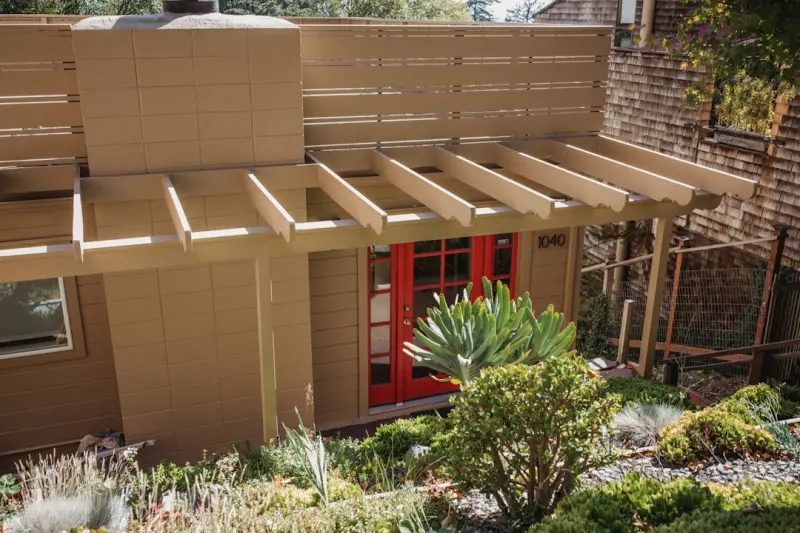
Designing a Home Addition That Grows With You
A future‑flex home addition blends adaptable design, smart infrastructure, and biophilic elements to create a space that evolves with your family while protec...Read More
0 Comments
Post Comment
You will need to Login or Register to comment on this post!