

The Quiet Revolution of Real‑Time Energy Inspection
When I first stepped onto a construction site armed with a thermal camera and a notebook, I felt like a detective hunting for invisible clues that could save homeowners thousands. Energy inspection used to be a once‑a‑year checkbox, but today the market is humming with sensors that whisper the house’s hidden consumption patterns every minute. The shift from static audits to continuous monitoring isn’t just a tech fad; it’s a strategic advantage for anyone planning a remodel, an addition, or even a simple upgrade. By embracing this quiet revolution, you transform the walls and ducts into data‑rich partners that tell you exactly where heat leaks, where voltage spikes, and how the building breathes under real‑world conditions.
Why One‑Time Audits Are No Longer Enough
Traditional energy audits give you a snapshot, a photograph of efficiency taken on a single day, often under ideal weather and usage conditions that rarely repeat. In contrast, a real‑time system records fluctuations during the morning rush, the afternoon lull, and the midnight chill, revealing patterns that a static report simply cannot capture. Homeowners who rely solely on a one‑time inspection may miss seasonal inefficiencies, phantom loads from standby devices, or the subtle creep of insulation fatigue after years of settlement. The result is a false sense of security that can lead to surprise utility bills and missed opportunities for savings.
Smart Sensors: The Eyes and Ears of Your Home
Imagine a network of tiny, wireless probes tucked into attic joists, wall cavities, and even inside HVAC ducts, each transmitting temperature, humidity, and voltage data to a cloud‑based dashboard you can access from your phone. These IoT‑enabled sensors are calibrated to detect deviations as small as a half‑degree, flagging issues before they manifest as costly repairs or comfort losses. Coupled with smart meters that track consumption in real time, the system creates a living map of energy flow that updates every few seconds, giving you the power to adjust thermostat settings, close vents, or seal gaps with surgical precision. The beauty of this approach lies in its scalability—you can start with a single zone and expand to a whole‑home solution as your budget allows.
Immediate Financial and Comfort Benefits
Real‑time energy inspection translates directly into dollars and cents by identifying the exact moments when your heating system overruns or your refrigerator idles unnecessarily. Homeowners who act on these insights often see a 10‑15% reduction in utility costs within the first month, a figure that compounds dramatically over the year. Beyond the wallet, the constant feedback loop creates a more comfortable living environment; rooms that were once drafty become consistently warm, and humidity spikes that once fostered mold are nipped in the bud. The psychological benefit of knowing exactly where your energy is going also reduces stress, turning the home into a sanctuary rather than a mystery box of hidden expenses.
A Personal Case Study: Turning Data into Dollars
Last winter, I worked with a family renovating a 1920s bungalow who installed a full‑suite of smart sensors as part of their energy inspection overhaul. The live dashboard revealed that a single outdated attic fan was pulling in cold air every night, forcing the furnace to work overtime for hours on end. By simply rewiring the fan to a timer and adding a modest amount of spray‑foam insulation, the household cut their heating bill by $300 in just one season. The family also discovered that a phantom load from an old entertainment center accounted for 5% of their total consumption, prompting them to replace it with a modern, low‑standby model. This experience reinforced my belief that data‑driven decisions are the most powerful lever for homeowners seeking sustainable comfort.
Integrating Energy Inspection Early in Renovation Planning
One of the biggest mistakes I see is postponing the energy audit until after walls are closed and systems are sealed, turning a simple tweak into an expensive retrofit. By embedding the inspection phase at the very start of the design process, architects and contractors can route ductwork, position insulation, and select windows with the sensor data guiding every choice. For instance, if a sensor flags a heat loss hotspot near a south‑facing bay window, you might opt for low‑E glazing or a thermal break that would have been overlooked otherwise. This proactive stance not only safeguards the budget but also future‑proofs the home against evolving energy codes and resale expectations.
Choosing a Qualified Energy Inspector: Red Flags to Watch
Not every professional who calls themselves an “energy auditor” brings the same level of expertise, especially when it comes to real‑time technology. Look for certifications such as BPI (Building Performance Institute) or RESNET, and verify that the inspector has hands‑on experience with wireless sensor networks and data analytics platforms. Beware of auditors who rely solely on a blower‑door test without offering follow‑up monitoring; their reports can be impressive on paper but lack the actionable depth that continuous data provides. Ask for case studies, request sample dashboards, and confirm that they will provide you with a clear, user‑friendly interface rather than a pile of spreadsheets that only a data scientist can decipher.
Synergy With Other Home Improvement Projects
Energy inspection doesn’t exist in a vacuum; it intertwines beautifully with other sustainability upgrades. For example, pairing a live audit with eco‑friendly drywall ensures that the new wall assemblies maintain optimal moisture balance, reducing the risk of thermal bridging. Similarly, when you’re reinforcing your home’s foundation, the sensor data can highlight how moisture migration affects basement insulation, allowing you to address issues before they compromise structural integrity. By weaving energy inspection into the broader renovation narrative, you create a cohesive, high‑performance envelope that maximizes ROI across every improvement.
Future Trends: AI‑Powered Predictive Analytics
The next frontier in energy inspection is the integration of artificial intelligence that doesn’t just report past performance but predicts future consumption based on weather forecasts, occupancy patterns, and even utility pricing tiers. Machine‑learning algorithms can suggest optimal thermostat schedules, recommend pre‑emptive maintenance for HVAC components, and even advise on when to switch to a time‑of‑use rate plan for maximum savings. As these platforms mature, homeowners will soon have a virtual energy concierge that nudges them toward the most efficient actions, turning the home into an intelligent, self‑optimizing ecosystem.
Take the First Step Toward a Smarter Home
If you’re planning a remodel, an addition, or simply want to tighten the leash on your energy bills, consider scheduling a real‑time energy inspection before any hammer swings. The insights you gain will not only protect your investment but also empower you to make informed decisions that enhance comfort, reduce waste, and boost your home’s resale value. In a world where every kilowatt matters, let data be your guide and watch your house transform from a passive structure into an active participant in your sustainability journey.

When it comes to the world of blogging and writing, Rose DesRochers is a name that stands out. Her passion for creating quality content and connecting with her audience has made her a trusted voice in the industry. Aside from her skills as a writer and blogger, Rose is also known for her compassionate nature.
Related Posts

Unlocking Energy Efficiency: The Critical Role of Energy Inspections in Modern Homes
Energy inspections play a vital role in ensuring that your home is energy-efficient, comfortable, an... Read More

Continuous Energy Inspection: Turning Real‑Time Data into Facility Savings
A deep dive into Continuous Energy Inspection, showing how sensors, edge processing, and analytics r... Read More

The Hidden Power of Energy Inspections: Cutting Costs and Carbon
Energy inspections reveal hidden inefficiencies, guide smart upgrades, and pave the way for greener,... Read More
Top Posts

The Rise of Adaptive Door Systems: Blending Security, Sustainability, and Seamless Design
Adaptive doors are evolving from static barriers into intelligent, energy‑saving, and design‑flexible assets. This post dives into their security intelligen...Read More

Mold Removal in the Age of Smart Buildings: Proactive, Sustainable Strategies
This article explores how integrating sensors, smart entryways, and zero‑waste remediation transforms mold removal from a costly emergency into a proactive, s...Read More
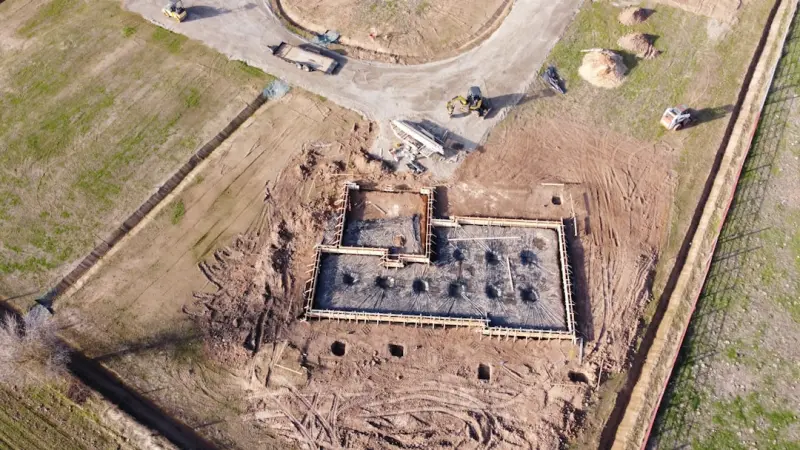
The Hidden Power of Adaptive Foundations: From Ground to Growth
Foundations are evolving from static slabs into dynamic, data‑driven platforms. This post explores modular designs, embedded sensors, AI geotechnical modeling...Read More

The Hidden Dangers of Mold in Your Home: A Comprehensive Guide
Mold growth is a serious threat to your home's health and integrity. Learn how to prevent and remove mold, and discover the benefits of sustainable mold removal...Read More
0 Comments
Post Comment
You will need to Login or Register to comment on this post!